

Sir Keir Starmer faces unprecedented pressure following devastating election results across England, Scotland, and Wales. Labour lost over 1,400 council seats in England, suffered its worst Scottish Parliament showing since devolution began in 1999, and relinquished control of the Senedd for the first time ever. This political turmoil has intensified calls within his own party for him to resign or set a clear exit timeline.
Starmer’s troubles compound ongoing controversies, including the appointment of Lord Peter Mandelson as ambassador to the US, fallout from the Epstein files revelations, and a security vetting scandal rocking the party’s credibility. Despite no public moves by cabinet ministers or challengers to launch a leadership bid, dozens of Labour MPs express deep frustration with his leadership. Former minister Catherine West has threatened to trigger a leadership contest if the cabinet does not act swiftly.

How UK Prime Ministers Can Be Removed: Party Rules and Leadership Challenges
Labour Party’s Leadership Contest Process
In the Labour Party, the mechanism to depose a leader involves formal procedures governed by the National Executive Committee (NEC). An MP wishing to challenge the leader must notify the NEC, which then sets a timetable for nominations. Crucially, any leadership contender requires the backing of at least 20% of Labour MPs—currently 81 endorsements—making it a high bar for challengers.
The challenger must be an MP, ruling out figures like Greater Manchester Mayor Andy Burnham, who was blocked from a Westminster return by Starmer in a recent by-election. Importantly, the incumbent leader automatically appears on the ballot without needing nominations. This setup means ousting a sitting Labour prime minister via a leadership challenge is difficult unless significant parliamentary support exists.
Historically, even during periods of internal dissent like Gordon Brown’s leadership in 2008-09, no serious contenders emerged to force a contest. The more realistic path to removal is through cabinet ministers resigning and signaling no confidence in the leader, creating untenable pressure.
Conservative Party’s No-Confidence Votes
The Conservative Party operates a different system. A vote of no confidence can be triggered if a set proportion of Tory MPs petition the chairman of the 1922 backbench committee. This threshold recently increased from 15% to 30% to reduce leadership instability that plagued the party in recent years.
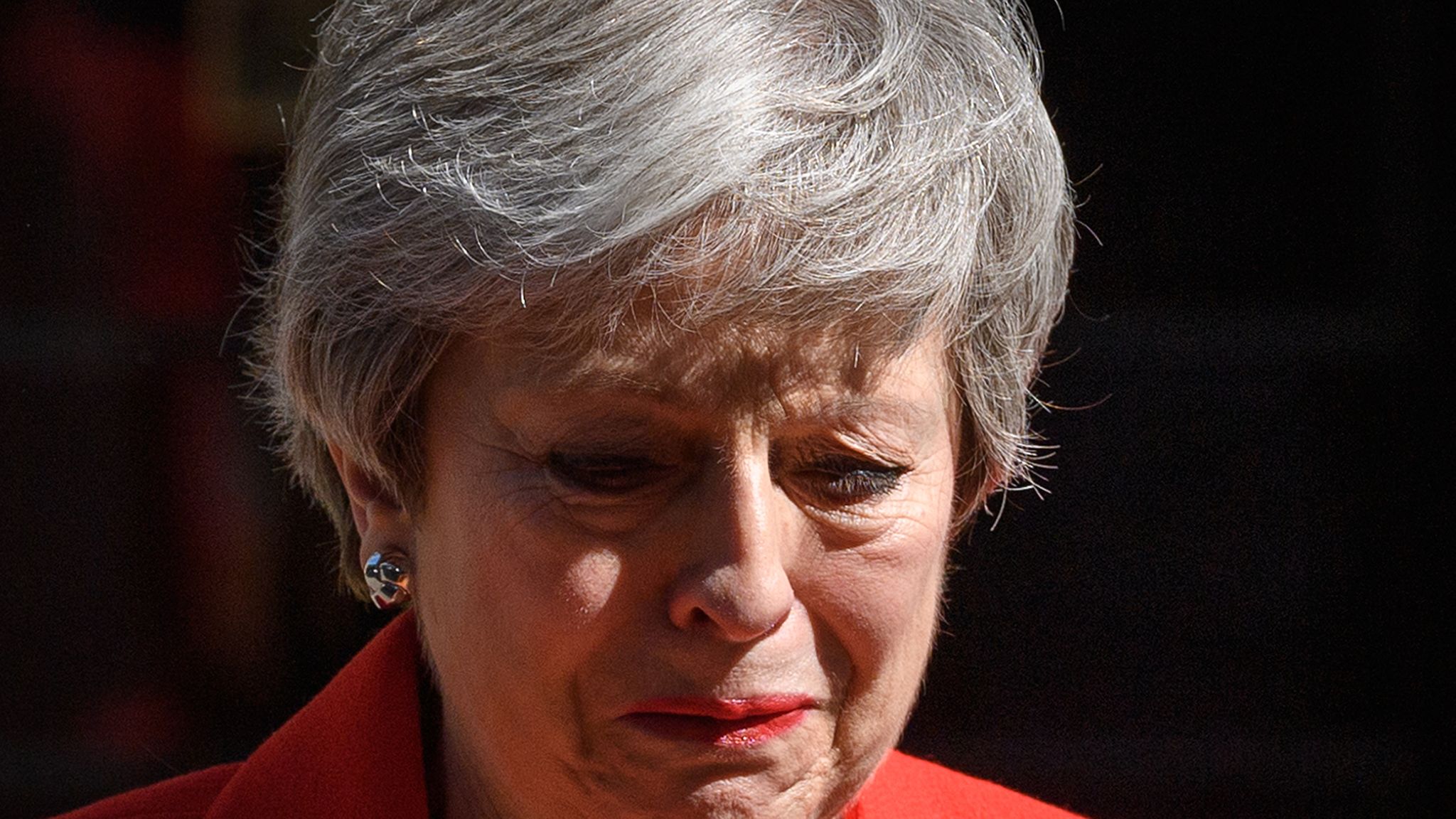
Prime ministers Theresa May and Boris Johnson both faced no-confidence votes. While they narrowly survived, these contests severely weakened their authority and foreshadowed their eventual resignations.
Confidence Votes and Ministerial Resignations: The Ultimate Pressure Points
The Role of Confidence Votes in UK Politics
A fundamental principle of the UK’s unwritten constitution is that the government must maintain the confidence of the House of Commons. Losing a confidence vote traditionally forces a government to resign or call a general election.
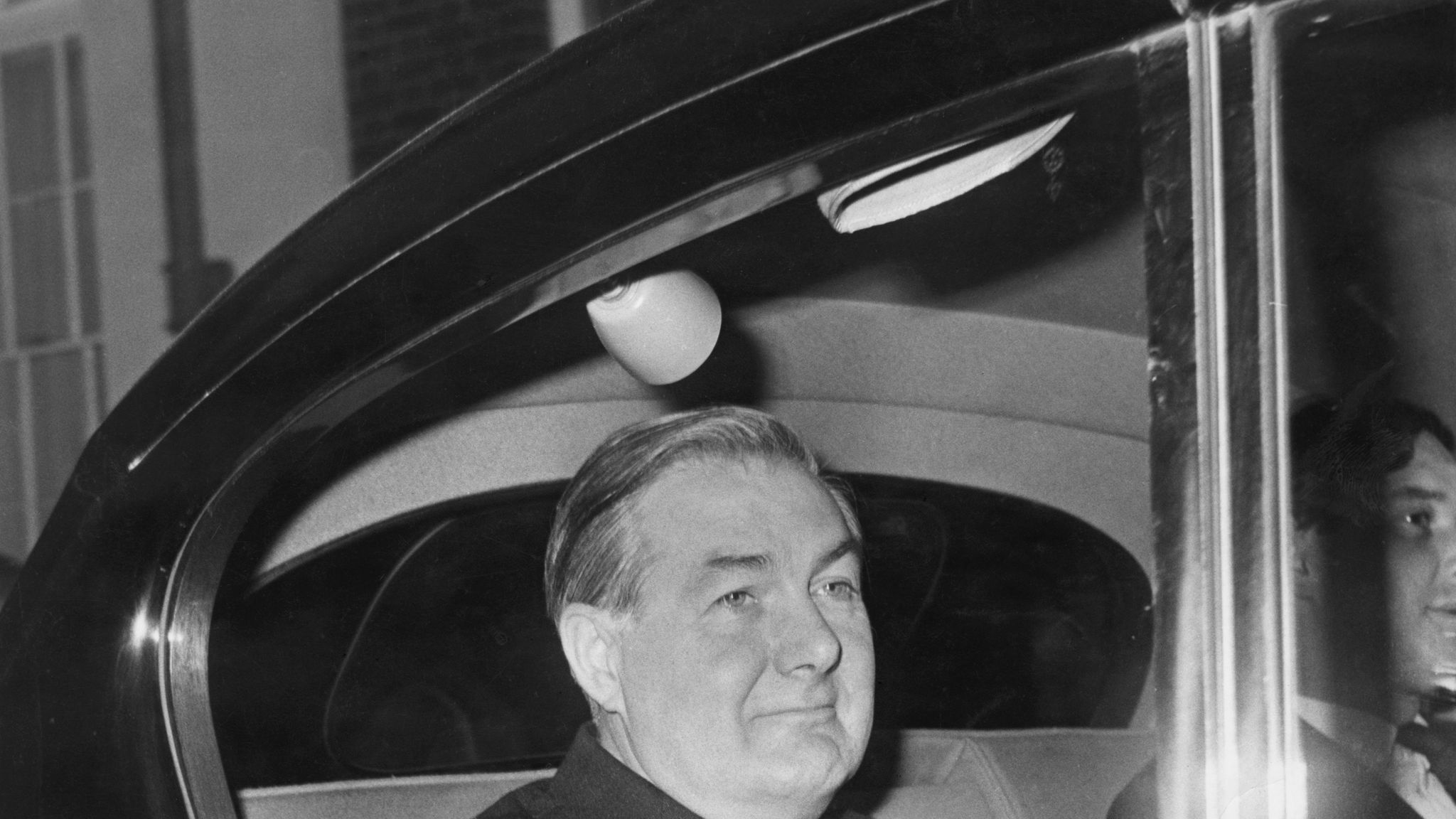
The opposition can table a formal motion of no confidence, explicitly stating the House no longer supports the government. The last time this led to a government’s downfall was in 1979, when James Callaghan’s minority Labour administration lost by a razor-thin margin of 311 to 310 votes. This defeat prompted a general election won by Margaret Thatcher, ushering in 18 years of Conservative rule.
Since then, outright defeats in confidence motions remain rare. Governments often use strategic confidence declarations, tying key policies to votes of confidence to compel party discipline. For example, John Major employed this tactic in 1993 during the divisive Maastricht Treaty vote.
Cabinet Resignations as a Catalyst for Leadership Change
Cabinet resignations represent one of the most effective ways to force a prime minister’s departure. Labour MPs have limited formal tools to express no confidence, so the resignation of senior ministers often symbolizes a loss of support within the government.
Following Boris Johnson’s narrow survival of a no-confidence vote in July 2022, party rules shielded him from another challenge for a year. However, his involvement in the scandal surrounding former deputy chief whip Chris Pincher triggered a wave of ministerial resignations, rendering his position untenable and leading to his resignation.
Credibility Damage and Its Political Consequences
Prime ministers can also fall victim to damage to their credibility without mass resignations. Liz Truss resigned after just 44 days in office when her “mini-budget” sparked economic chaos, eroding trust among MPs and the public alike.
Theresa May faced relentless parliamentary defeats over her Brexit deal, unable to unify her party’s factions, which culminated in her resignation. Similarly, Tony Blair stepped down amid mounting internal pressure following the Iraq War controversy, choosing to announce an early departure rather than face a party revolt.
What This Means for Sir Keir Starmer and UK Politics
Sir Keir Starmer’s predicament illustrates the fragile balance UK prime ministers must maintain between electoral success, party unity, and public credibility. While formal leadership challenges within Labour are difficult to execute, mounting pressure from election setbacks and internal scandals places Starmer in a precarious position.
Ministerial resignations or a clear declaration of lost confidence within the parliamentary Labour Party could accelerate his exit. Given the history of UK politics, a prime minister’s downfall often hinges not solely on formal votes but on the erosion of authority and trust within their own ranks.
As Starmer confronts demands to step down or outline a departure plan, the coming days will be critical in determining the Labour Party’s direction and the future leadership of the UK government.