

Vaccinating children against human papillomavirus (HPV) at ages 12 to 13 nearly eliminates their risk of dying from cervical cancer before turning 30, a new study reveals. This finding underscores the profound protective impact of early HPV immunization on young women’s health and highlights a critical milestone in cancer prevention efforts worldwide.
How HPV Vaccination Drastically Cuts Cervical Cancer Mortality
Human papillomavirus is a common sexually transmitted infection responsible for the vast majority of cervical cancer cases globally. Persistent infection with high-risk HPV strains can cause cellular changes in the cervix that, if untreated, develop into cancer over time. The introduction of HPV vaccines has revolutionized prevention by targeting these high-risk virus types before infection occurs.
The recent study focused on children vaccinated at 12-13 years old, an age recommended by health authorities to maximize vaccine efficacy before potential exposure to HPV through sexual activity. Researchers tracked health outcomes to estimate the risk of dying from cervical cancer before age 30 among vaccinated individuals compared to those unvaccinated.
Results were striking: those vaccinated at the recommended age exhibited a near-zero risk of cervical cancer death before 30. This dramatic reduction demonstrates the vaccine’s ability to prevent the types of HPV most commonly linked to aggressive cervical cancers in young women. It also validates public health policies prioritizing vaccination programs in early adolescence.
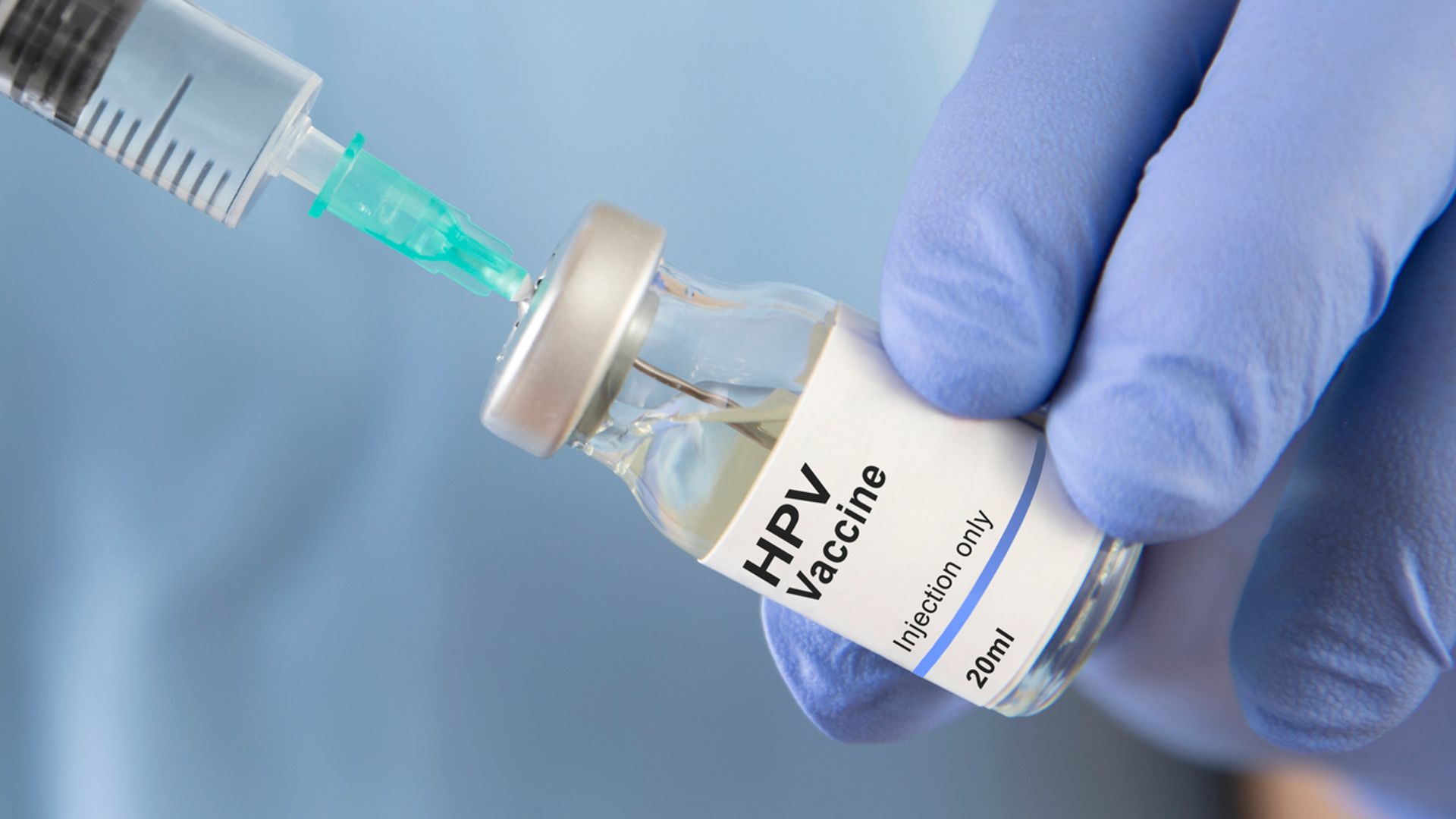
Why Early HPV Vaccination Is a Game Changer
Administering the HPV vaccine during early adolescence is not just about timing; it’s about optimizing immune response and preventing initial infection. Younger adolescents develop stronger immunity from the vaccine than older teens or adults. By vaccinating at 12-13, health systems ensure protection well before individuals become sexually active, drastically reducing their lifetime risk of HPV-related cancers.
Beyond cervical cancer, HPV vaccination also protects against other cancers caused by the virus, including oropharyngeal, anal, and penile cancers. However, cervical cancer remains the primary focus due to its prevalence and the clear link to HPV infection.
This study adds to a growing body of evidence supporting national vaccination programs. Countries with high HPV vaccine coverage among preteens have already reported significant declines in cervical precancerous lesions, a precursor to invasive cancer. The new data extends these benefits by showing a near elimination of early cervical cancer deaths in vaccinated cohorts.
What This Means for Public Health and Future Generations
The implications of these findings are profound. Cervical cancer has historically been one of the leading causes of cancer death among young women worldwide. The ability to reduce mortality to near zero before age 30 through vaccination represents a powerful tool to prevent suffering, healthcare costs, and premature loss of life.
Health authorities and policymakers must continue to prioritize HPV vaccination programs, ensuring equitable access and addressing vaccine hesitancy. Public education campaigns should emphasize the lifesaving potential of early vaccination, debunk myths, and encourage parents to vaccinate their children at the recommended age.
Moreover, ongoing surveillance and research are essential to monitor long-term vaccine effectiveness and to adapt strategies as needed. Expanding vaccination to include boys and other populations can further reduce HPV transmission and related cancers.
In summary, vaccinating children against HPV at 12-13 years old offers near-complete protection against cervical cancer mortality before 30. This milestone in cancer prevention confirms that early immunization is a critical investment in the health of future generations.