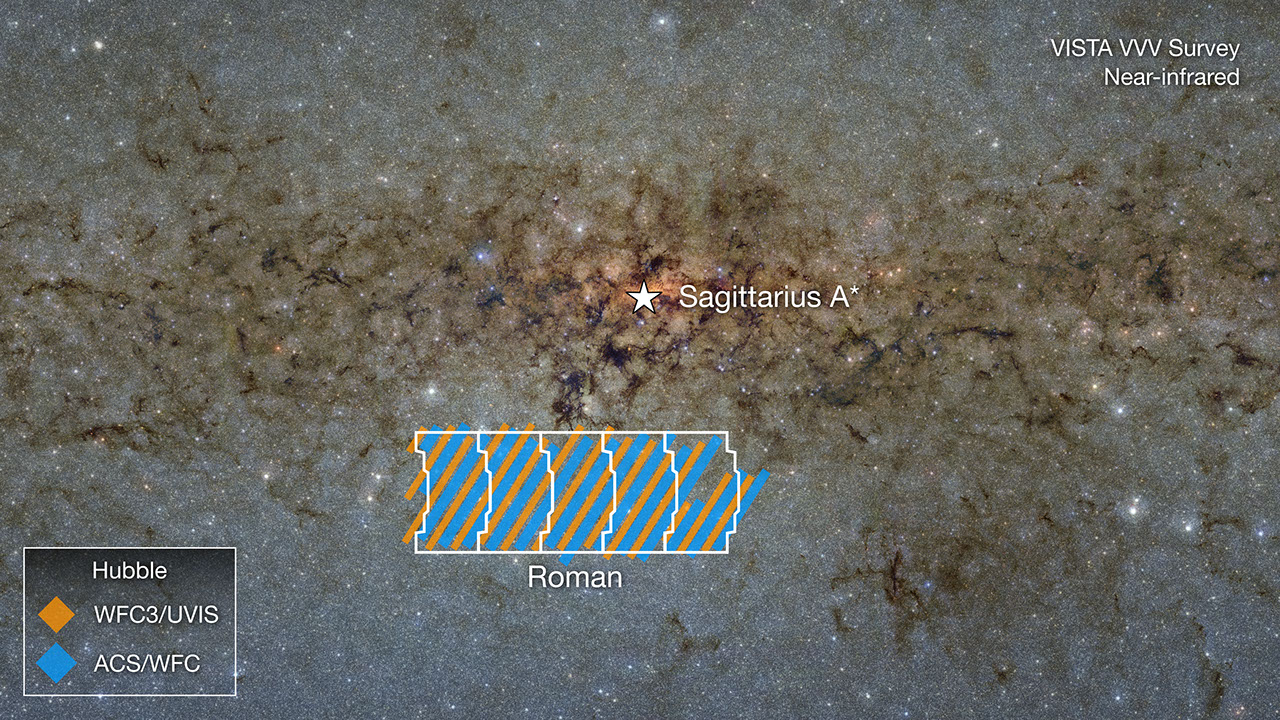
The heart of the Milky Way, known as the galactic bulge, conceals a dense and dynamic region packed with stars, planets, and mysterious celestial objects. Now, NASA’s Nancy Grace Roman Space Telescope is preparing to revolutionize our understanding of this crowded stellar hub by conducting an unprecedented survey. But before Roman’s launch, the venerable Hubble Space Telescope has taken a crucial step: conducting a large-scale, high-resolution survey of the same region. This foundational data will empower Roman to unlock new insights into the galaxy’s core and the countless worlds within it.
Mapping the Milky Way’s Galactic Bulge: What Happened?
The galactic bulge is a dense, bulb-shaped cluster of stars surrounding the Milky Way’s center, home to the supermassive black hole Sagittarius A*. Astronomers have studied this region extensively with instruments like NASA’s Hubble Space Telescope and James Webb Space Telescope, but Roman will be the first mission to target the bulge as a key science objective.
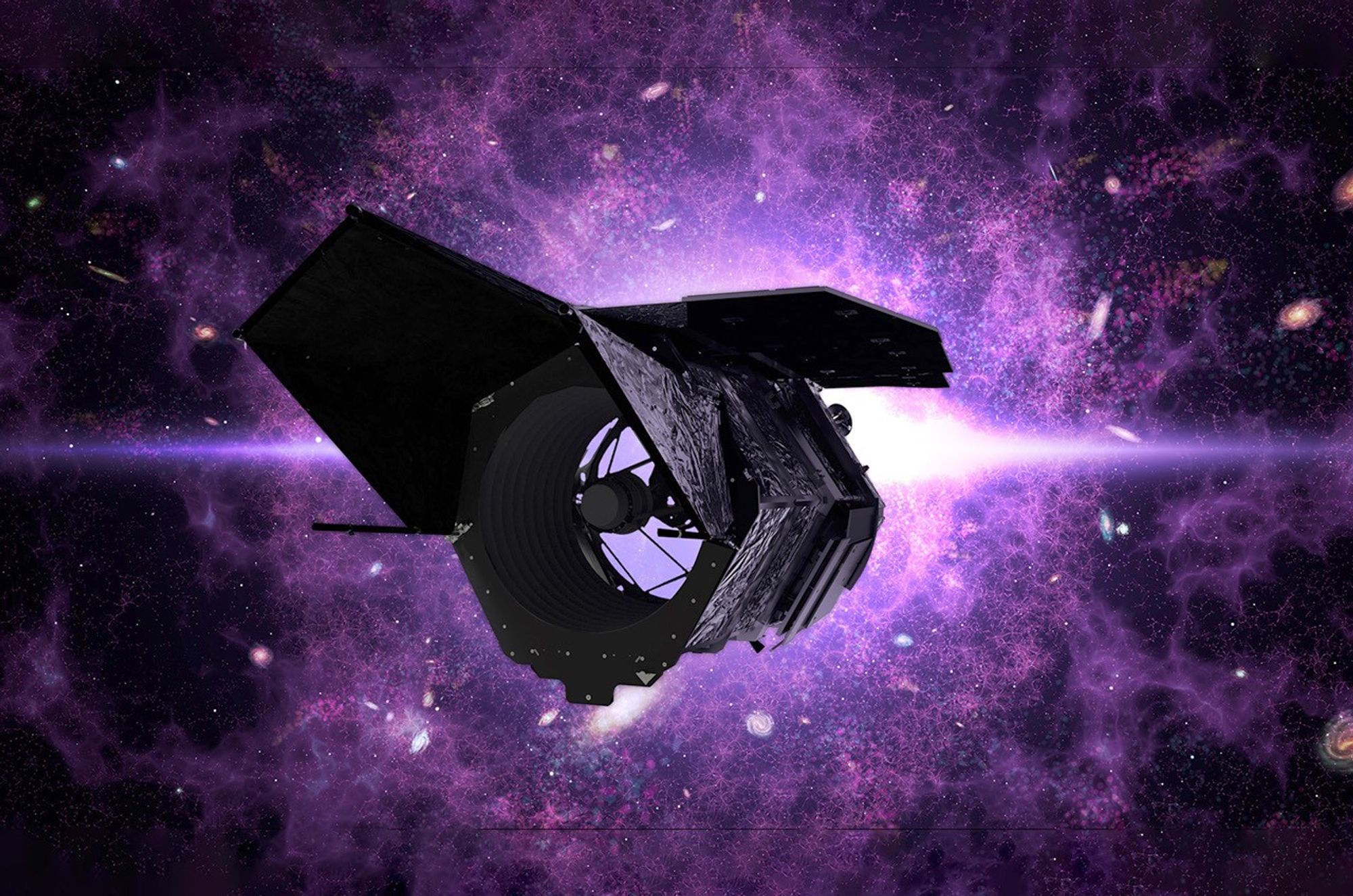
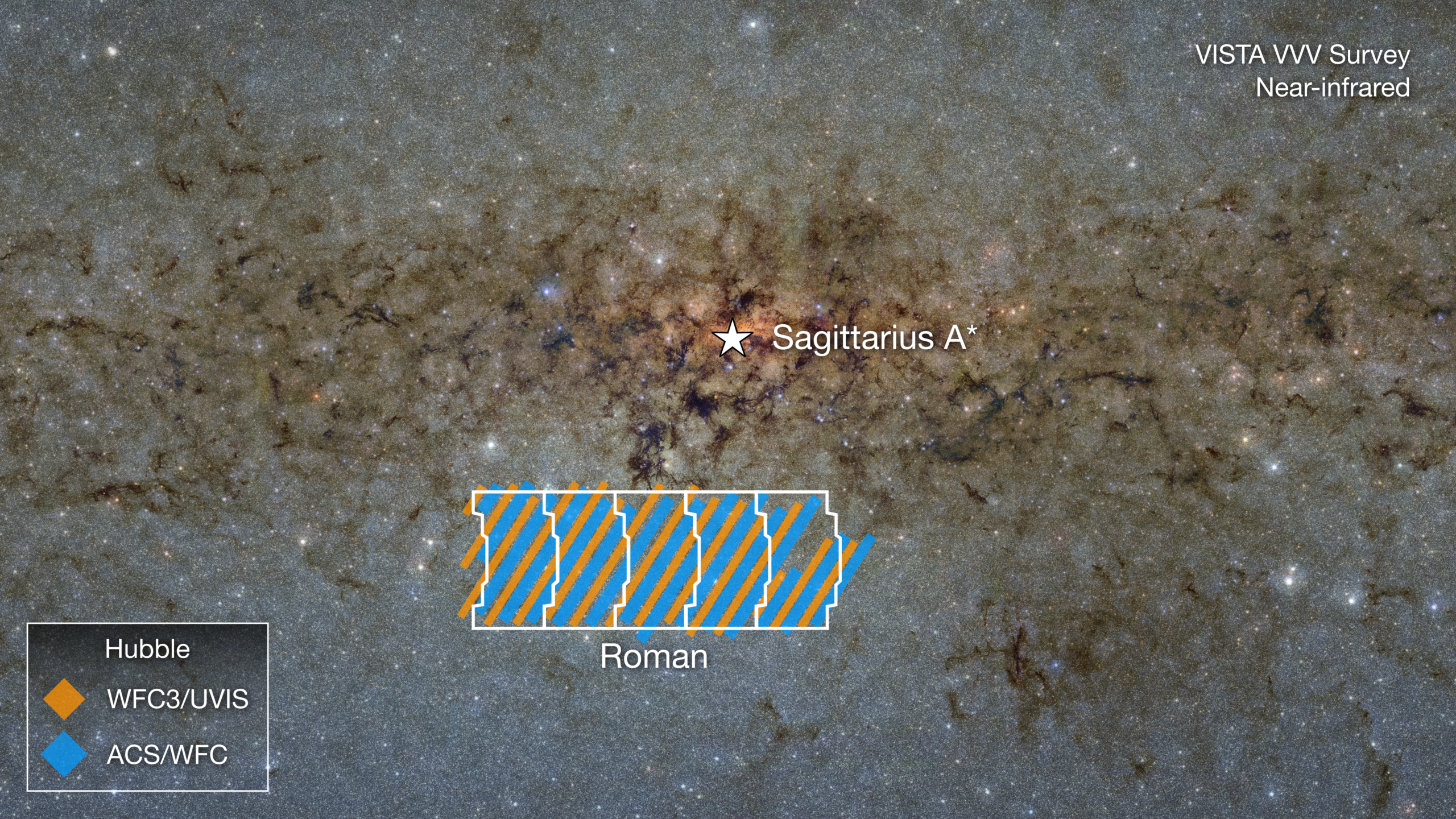
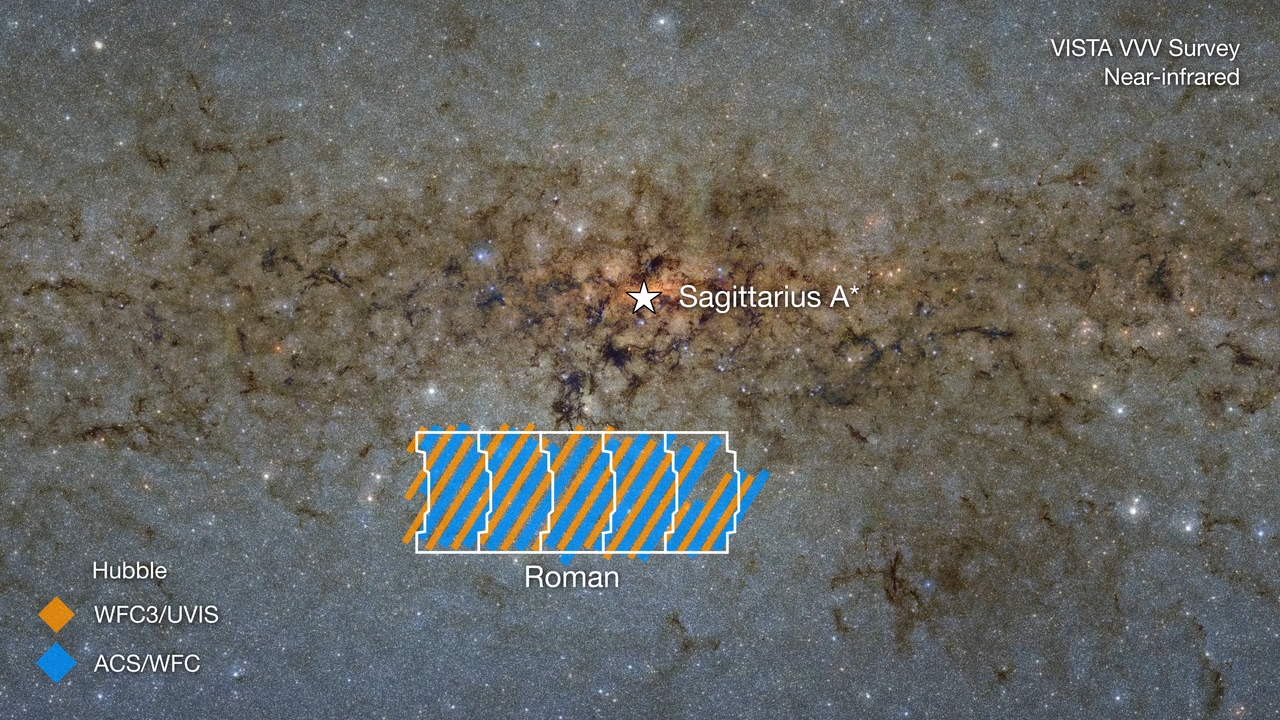
Roman’s Galactic Bulge Time-Domain Survey will cover roughly 1.7 square degrees—an area about eight and a half times the size of the full moon—with a rapid cadence, capturing snapshots every 12 minutes during six observing seasons, each lasting 72 days. This will allow Roman to monitor millions of stars and detect thousands of new exoplanets, including elusive “rogue planets” that drift freely without a host star.
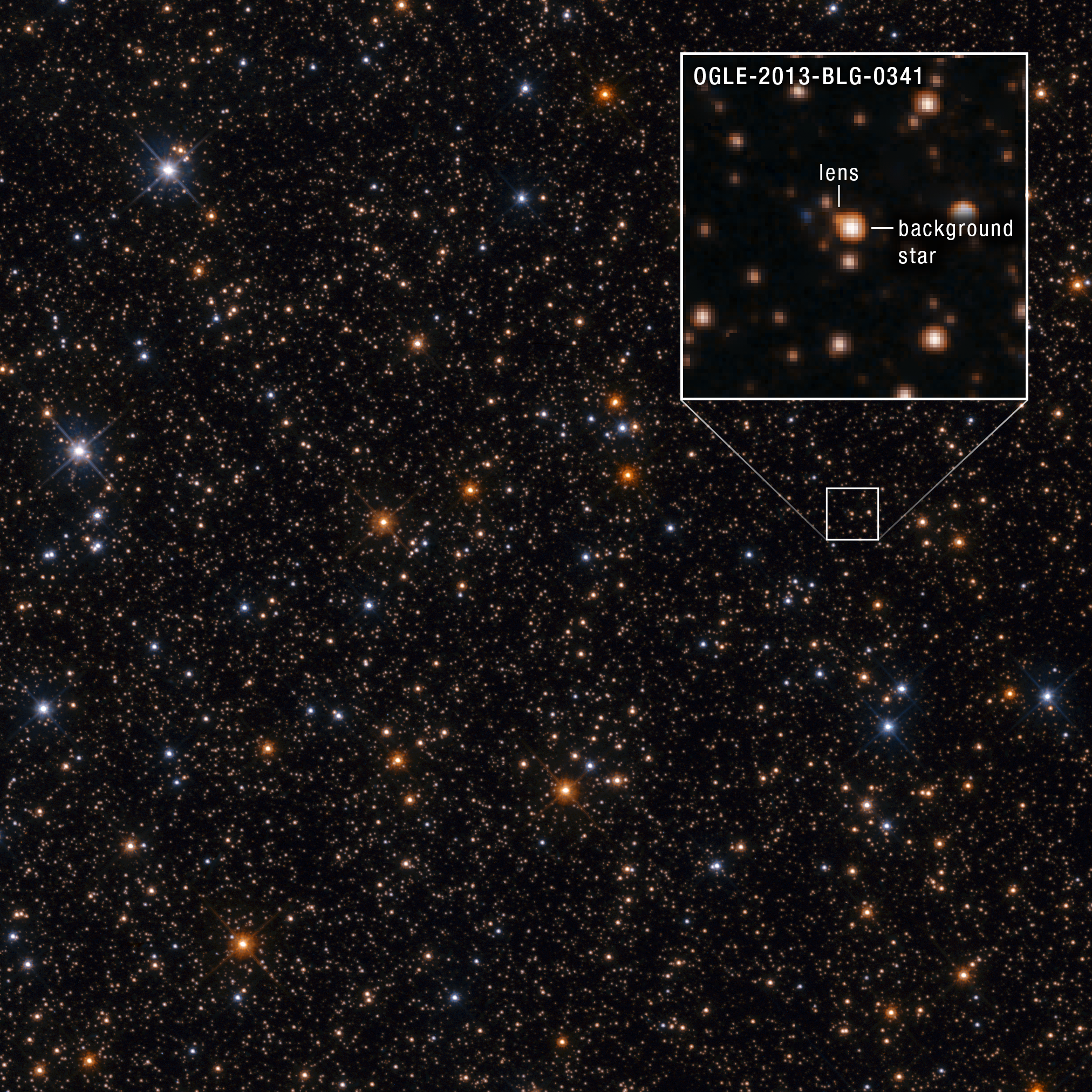
To prepare for Roman’s launch, targeted for as early as September 2026, a team led by Sean Terry, a project lead and assistant research scientist at the University of Maryland and NASA’s Goddard Space Flight Center, initiated a comprehensive Hubble survey in spring 2025. This program covers much of the same sky area Roman will observe and surpasses previous Hubble surveys in size and scope, rivaling the decade-long mosaic of the Andromeda galaxy.
Why Use Hubble as a Precursor?
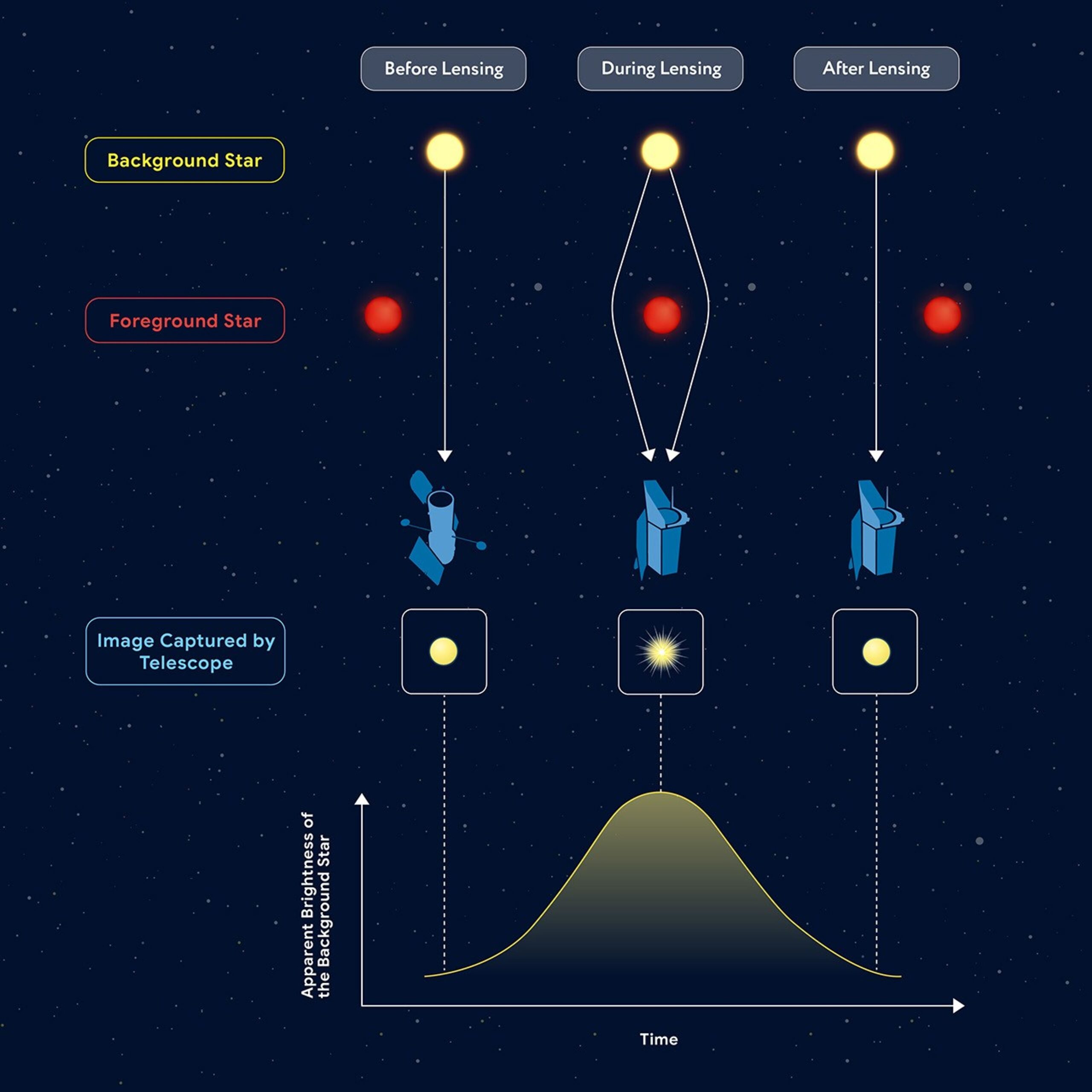
Microlensing, the key technique Roman will employ, relies on detecting subtle light distortions when a foreground object—such as a star or planet—passes in front of a more distant star. This gravitational lensing effect temporarily brightens the background star. However, disentangling which star is the lens and which is the source can be challenging without prior knowledge.
“The great thing about microlensing is that we’ll be able to do a complete census of objects as small as Mars moving between us and the bulge fields,” explained Jay Anderson of the Space Telescope Science Institute, a co-author of the study. “But to interpret these events accurately, timing is critical: knowing what the stars looked like before the lensing event makes it far easier to decipher.”
By capturing detailed images of the bulge stars before Roman’s survey, Hubble provides a vital reference point. This enables astronomers to precisely identify which stars participate in microlensing events and to measure their characteristics before, during, and after the event.
Why This Survey Matters: Unlocking the Galaxy’s Secrets
This collaborative effort between two of NASA’s flagship observatories will dramatically enhance our ability to study exoplanets, stellar populations, and compact objects hidden in the crowded galactic bulge. Roman’s survey will detect numerous rogue planets—planetary bodies ejected from their original systems—as well as isolated neutron stars and black holes with masses comparable to the Sun.

Moreover, combining Hubble’s precursor data with Roman’s observations allows scientists to move beyond estimating mass ratios of star-planet pairs to obtaining direct mass measurements. “Instead of guessing a planet’s mass relative to its star, we can confidently say it’s a Saturn-mass planet orbiting a star with 0.8 solar masses,” Terry noted. This leap in precision will deepen our understanding of planetary system formation and evolution.
Additionally, the Hubble survey aids in mapping extinction—areas of dense dust and gas that obscure starlight—enabling better interpretation of where stars can be observed in the bulge. These extinction maps are critical for accurate modeling of the galactic environment.
Building a Star Catalog for the Future
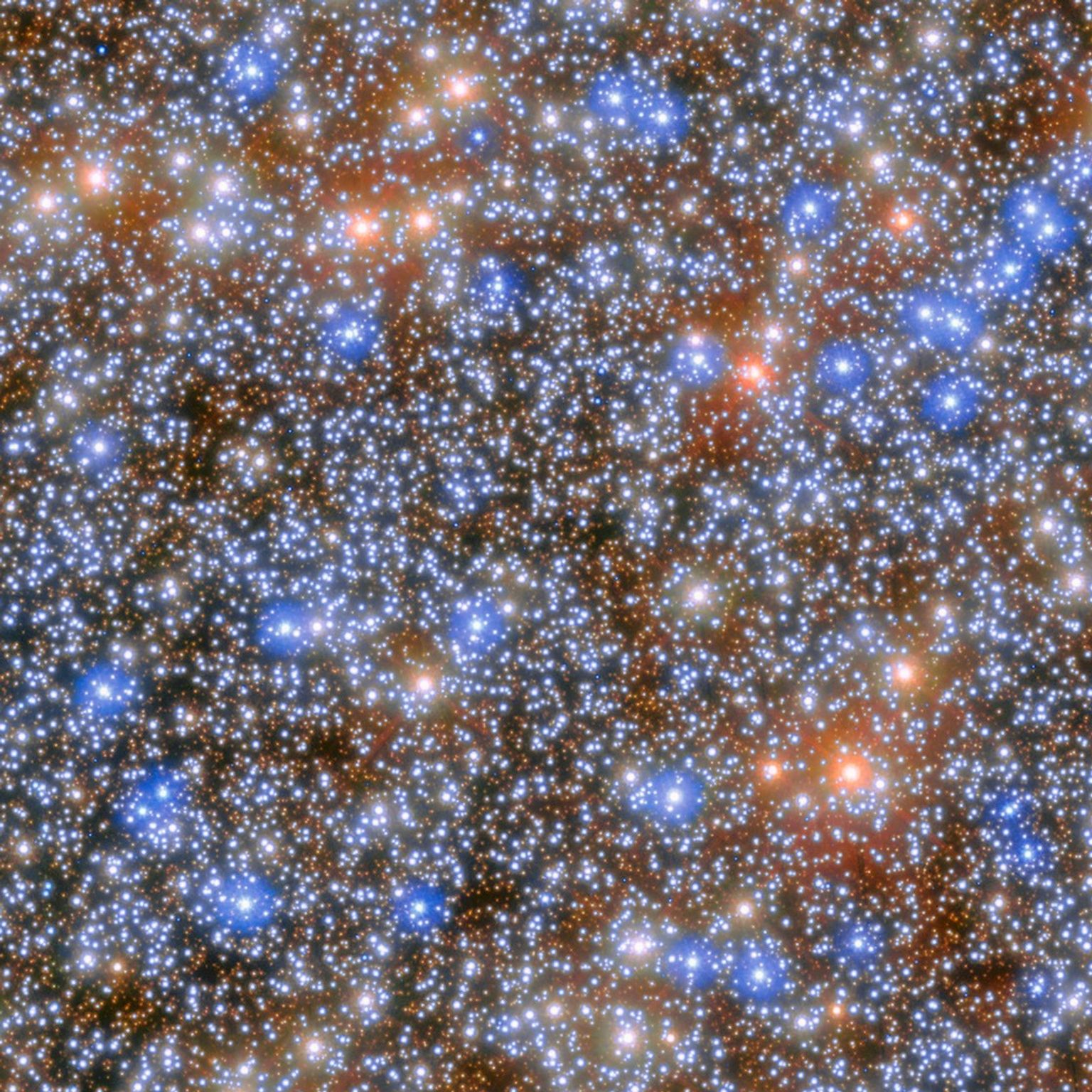
The survey will also establish a comprehensive star catalog of 20 to 30 million point sources, setting the stage for Roman to expand this dataset by an order of magnitude. By the end of Roman’s Galactic Bulge Time-Domain Survey, astronomers expect to have detailed images and measurements of 200 to 300 million stars, some of the deepest ever captured in any part of the sky.
This treasure trove of data will empower researchers worldwide to study the Milky Way’s core with unprecedented clarity, shedding light on the galaxy’s formation history and the distribution of its hidden mass.
Looking Ahead: The Future of Galactic Exploration
The synergy between Hubble and Roman epitomizes a new era in astronomical observation—where legacy data enhances the power of next-generation instruments. As Roman prepares to launch, the groundwork laid by Hubble’s extensive survey ensures that its discoveries will be both richer and more precise.
By enabling detailed studies of microlensing events, Roman will uncover countless new worlds and compact objects, revealing the complex tapestry of the Milky Way’s heart. This collaboration not only advances exoplanet science but also deepens our grasp of stellar evolution, black holes, and the dynamic processes shaping our galaxy.
As the countdown to Roman’s launch progresses, astronomers eagerly anticipate the wealth of revelations this mission will bring—propelled by Hubble’s enduring legacy and the promise of transformative discoveries at the Milky Way’s center.