

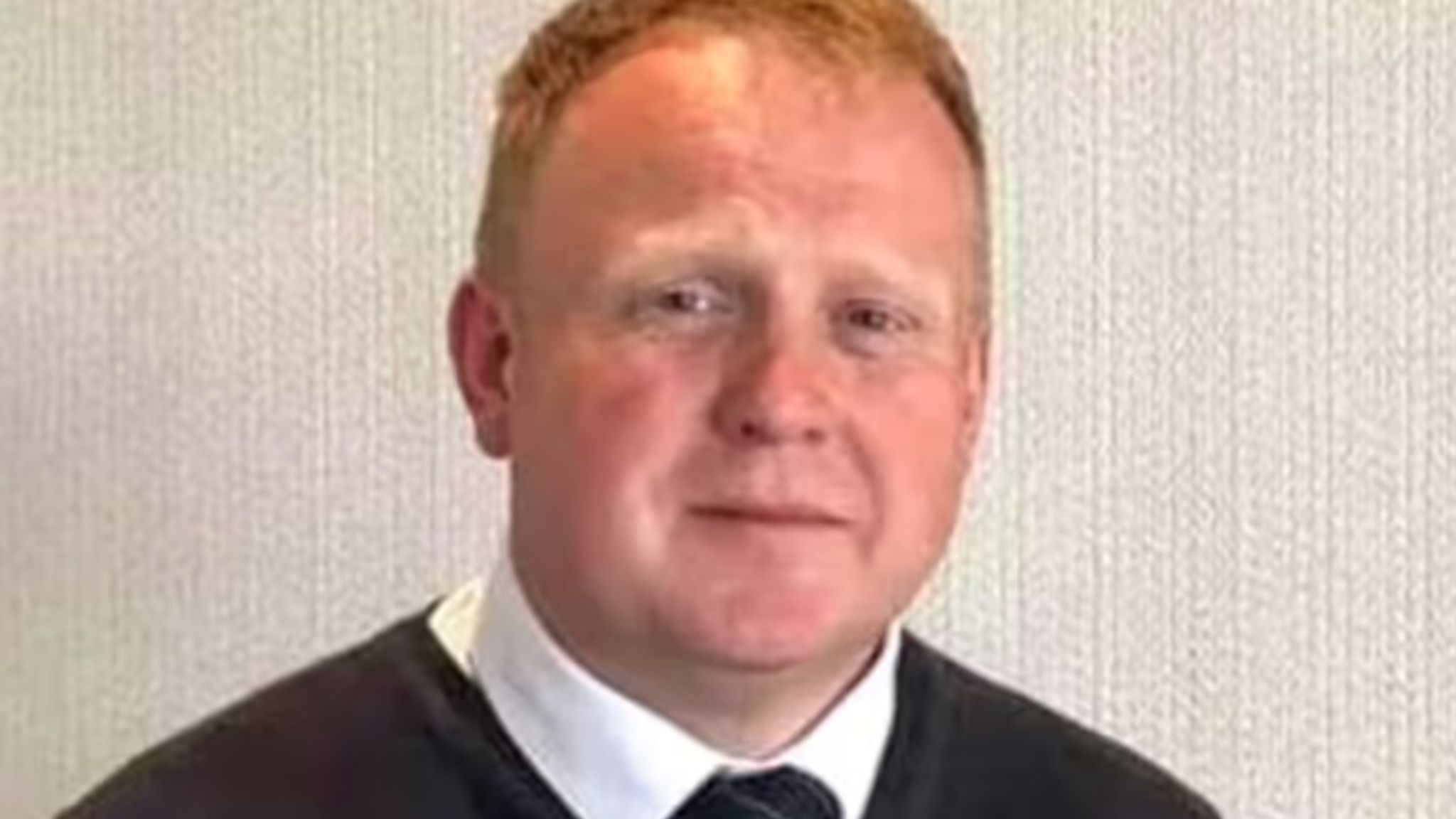
The grim reality behind Robert Bush, once regarded as a courteous funeral director in Hull, has shattered the community’s trust. While appearing empathetic and professional to grieving families, Bush secretly cut corners, provided substandard coffins, and left funeral staff unpaid, culminating in a shocking discovery of 30 bodies improperly handled at his funeral home.
What Happened at Legacy Independent Funeral Directors?
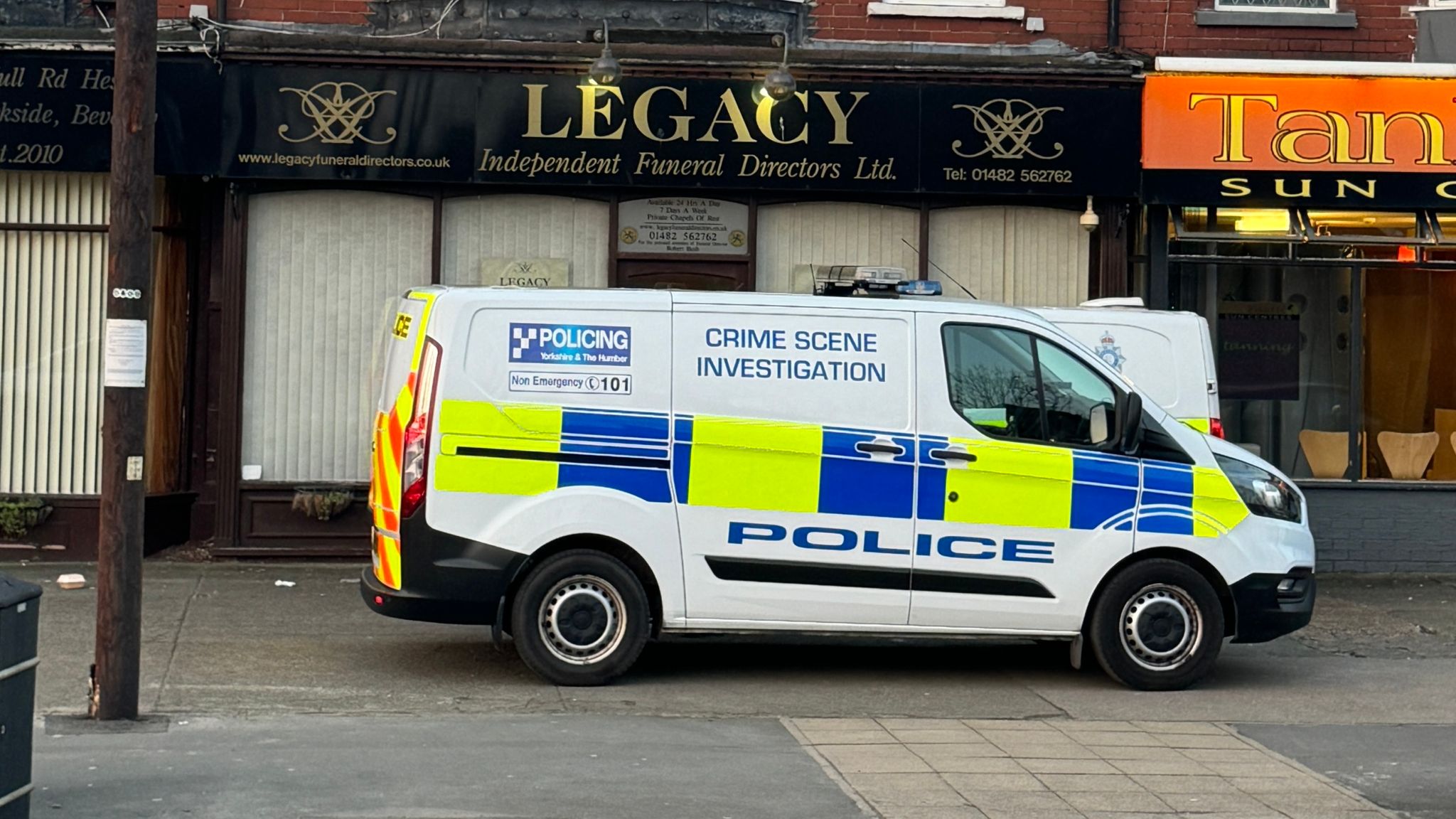
For years, Bush managed Legacy Independent Funeral Directors, a funeral service based on Hessle Road, Hull. To outsiders, he was a “nice guy,” as described by a celebrant who worked closely with him for several years. Known here as Sarah, she agreed to speak anonymously due to ongoing repercussions within the funeral sector linked to Bush.
Sarah recalls Bush as “a bit of a cheeky chappy” who was polite, well-spoken, and empathetic, traits that initially fostered trust. However, over time, she noticed alarming changes. Bush’s financial practices deteriorated; his cheques bounced regularly, and several funeral staff stopped working with him due to unpaid bills.

Behind the scenes, Legacy’s once-respected premises began to appear rundown and neglected. The on-site chapel—meant to be a serene place for mourning—was instead described as “very untidy” and lacking in basic dignities. Sarah points out that Bush printed funeral orders on cheap, folded A4 paper instead of quality materials, diminishing the solemnity of services.
Multiple florists ceased business with Legacy after Bush failed to pay, forcing him to arrange flowers himself. Perhaps most disturbing, Sarah recounts an incident where a local crematorium rejected a coffin because it was “sub-standard,” allegedly assembled by Bush himself like flat-pack furniture. Despite the shoddy quality, families were charged standard prices.

Consequences Unfold: Guilty Plea and Impact on Families
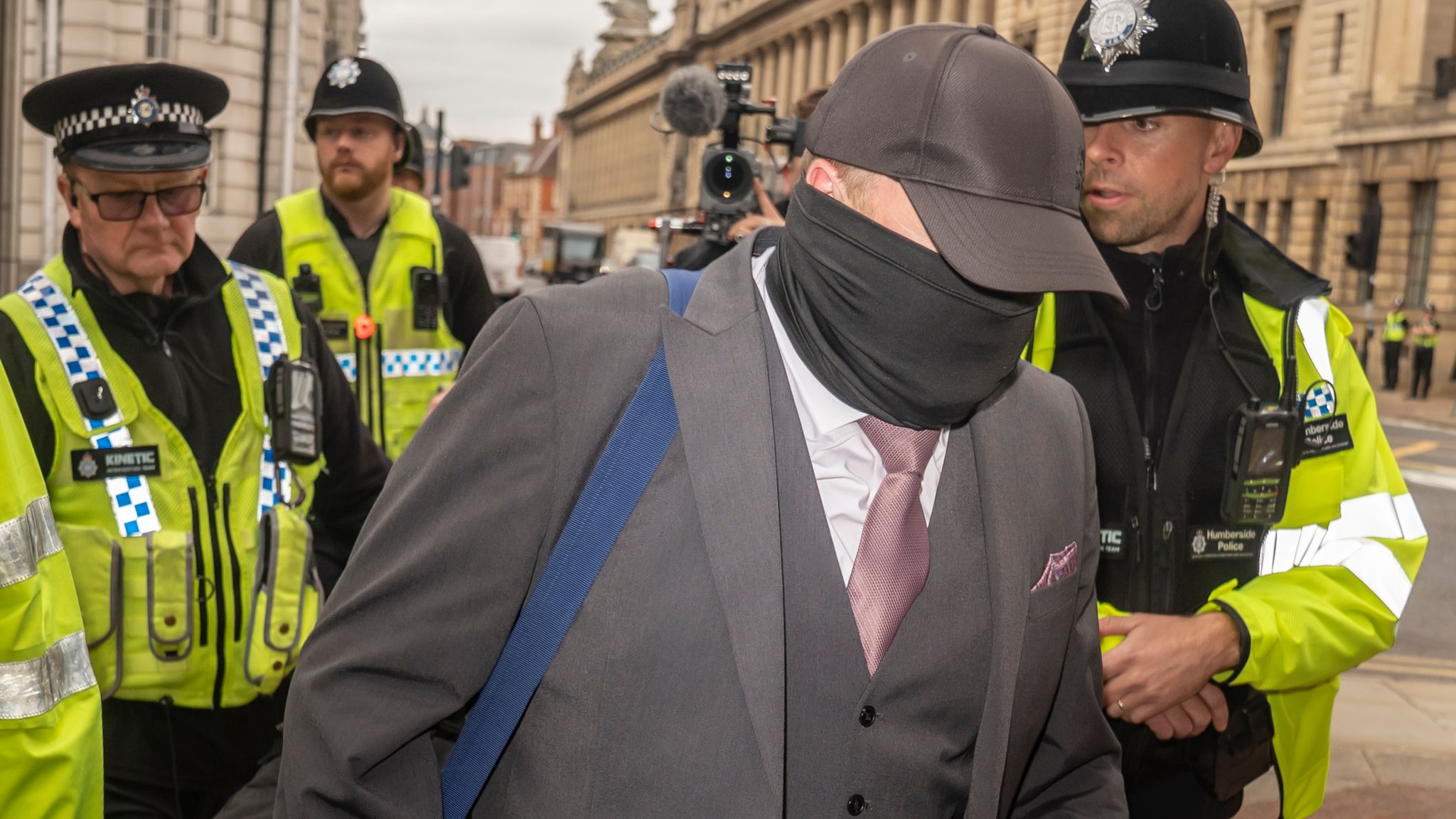
In March 2024, police raided Legacy’s three locations, uncovering the remains of 30 bodies stored improperly—an appalling breach of trust and legal standards. Bush, now 48, pleaded guilty to 30 counts of preventing lawful and decent burials and 30 counts of fraud against grieving families.
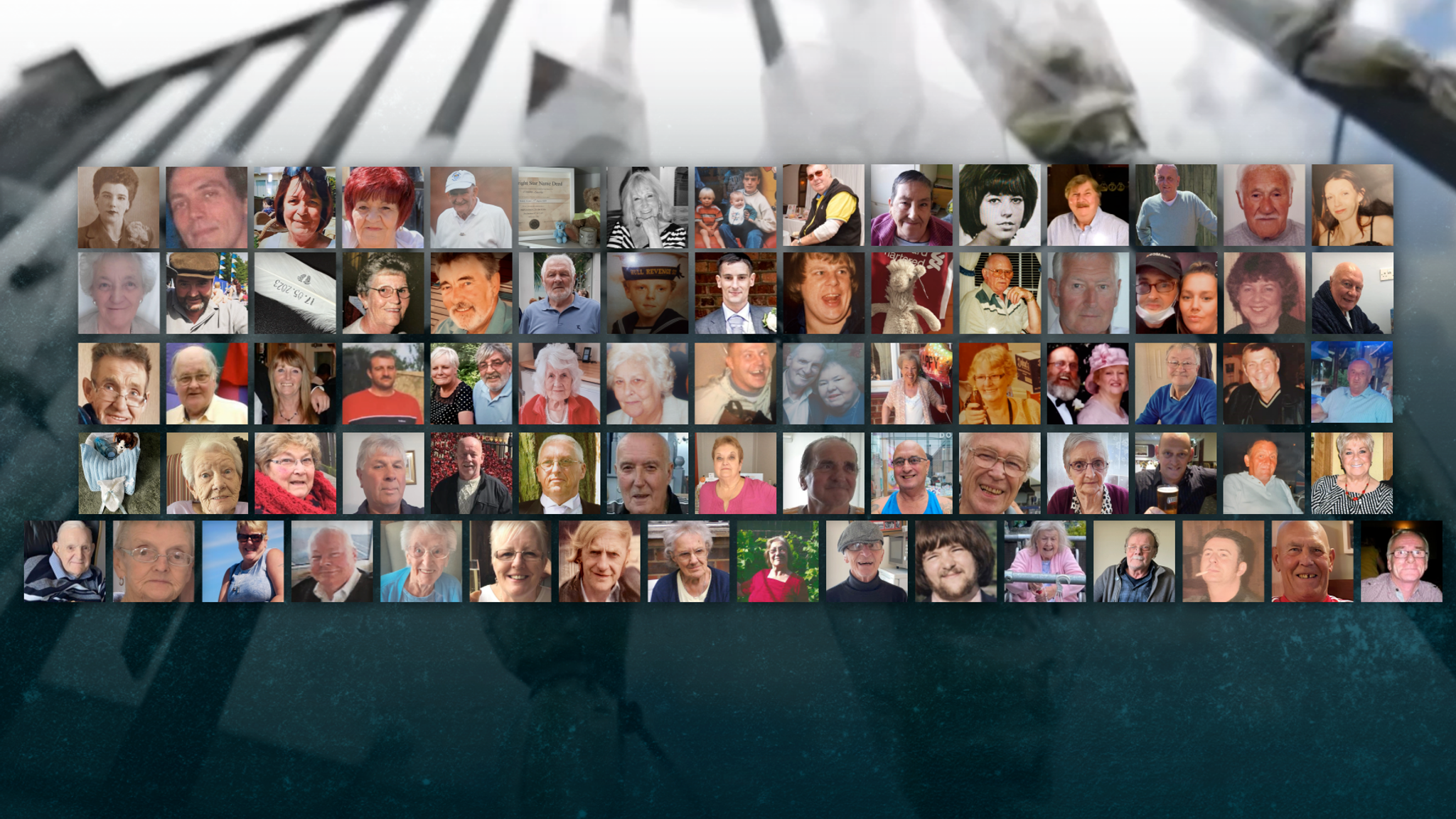
The fraud charges include four counts related to mothers who lost unborn babies, having entrusted Bush to arrange cremations. Investigators also found a large quantity of ashes at the funeral home, linked to over 50 families who had been defrauded.
Sarah shares the emotional weight of these revelations. “I personally don’t know if the burial I conducted was for the right person,” she says, describing the experience as a “nightmare” that still haunts her. The betrayal cuts deep, knowing that families placed immense trust in Bush during their most vulnerable moments.
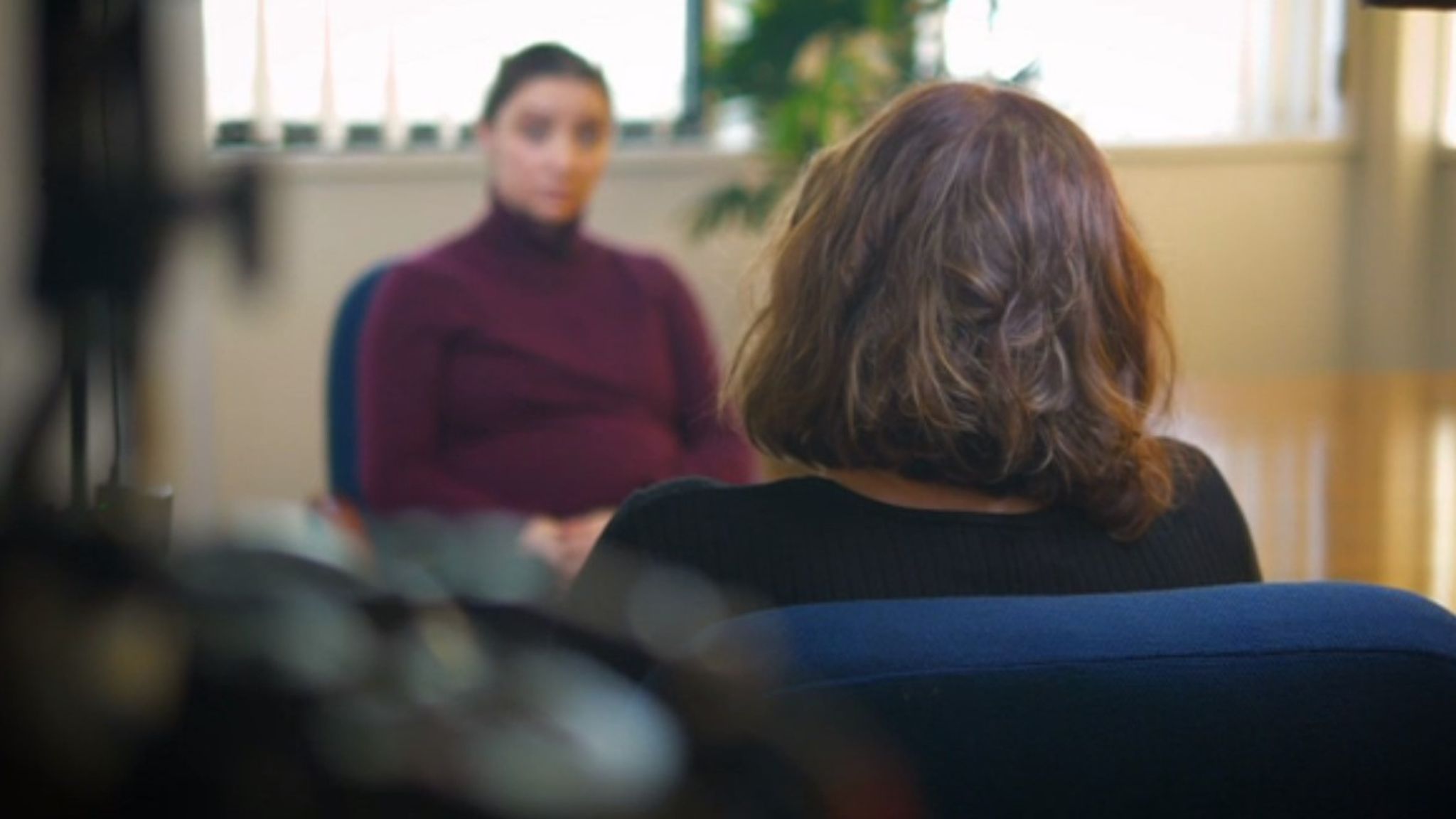
Sarah recounts her final encounter with Bush months before his arrest. At a service, Bush failed to attend, leaving her to bring the deceased into the chapel alone. He had promised livestreaming for family members unable to attend, but no such facility existed. Sarah improvised by recording the service on her phone. The music system was malfunctioning, and no flowers were present to provide the respectful atmosphere expected at funerals.
Those failures marked the end of her professional relationship with Bush. Despite voicing concerns via text, she never received a response from him.
Why This Scandal Matters
The disgrace surrounding Robert Bush’s funeral home isn’t just a case of poor business ethics—it strikes at the heart of community trust and the dignity owed to the deceased and their families. Funeral directors carry profound responsibilities, acting as custodians of respect during times of grief. Bush’s actions violated these core principles, replacing care with deception.
This case highlights the critical need for transparency and oversight within the funeral industry. Families entrust directors with their loved ones’ final rites, expecting professionalism, compassion, and legality. When those expectations are shattered, the emotional toll compounds the grief.
Moreover, the financial exploitation of vulnerable families adds another layer of harm, underscoring the necessity for regulatory bodies to enforce stricter standards and accountability.
Looking Ahead: Lessons from the Legacy
The Robert Bush scandal serves as a stark warning to funeral service providers and regulators alike. It emphasizes the importance of vigilance and ethical standards in managing funerals, ensuring that families can mourn with dignity and peace of mind.
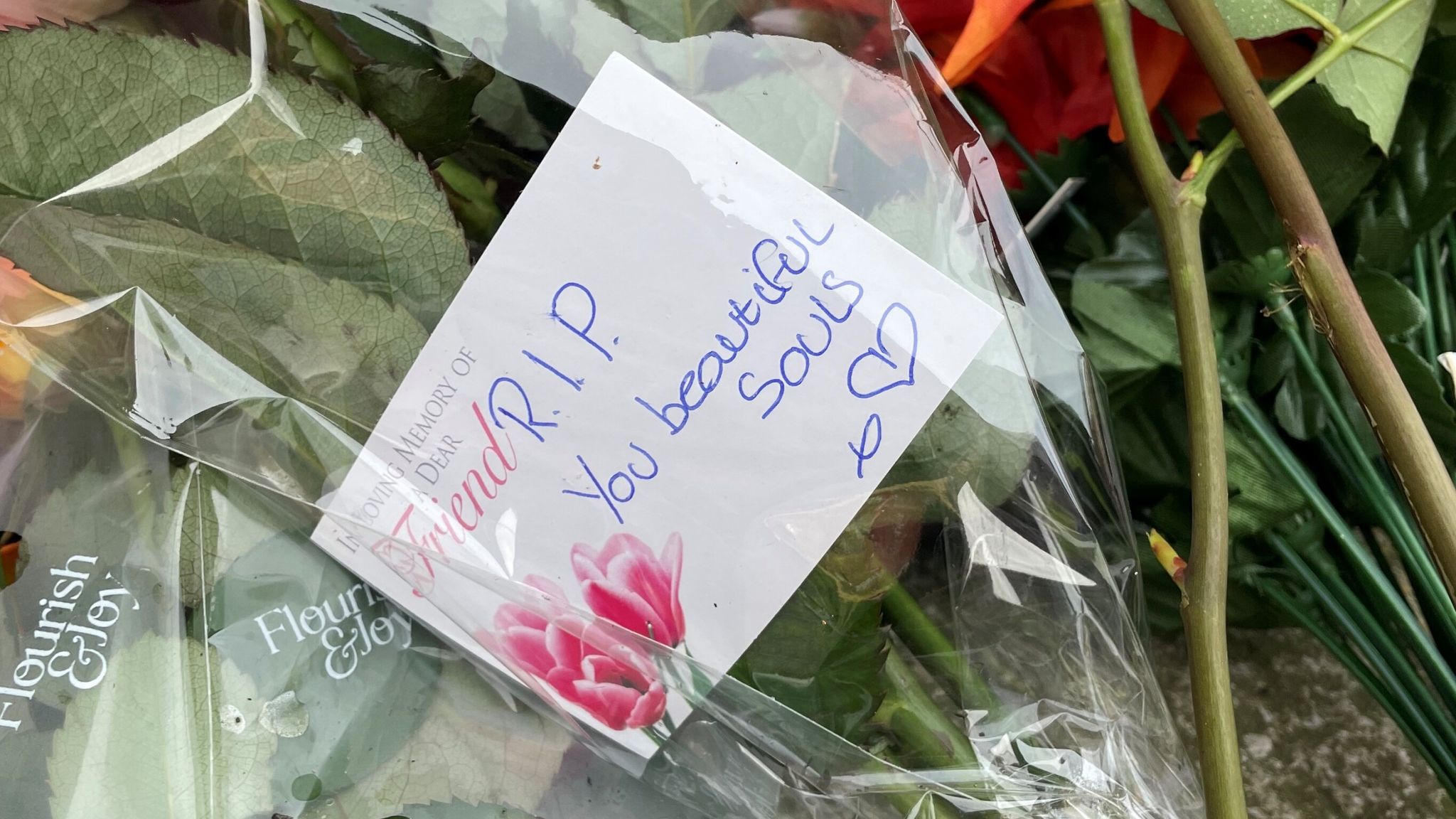
For those affected, the road to healing remains difficult. As Sarah reflects, the question “Did I bury the right person?” lingers painfully, a testament to the profound damage inflicted by Bush’s misconduct.
Communities must demand transparency, hold providers accountable, and support families in safeguarding the sanctity of final farewells. Only through these measures can trust be restored in an industry that plays a vital role in life’s most solemn moments.