

The brutal stabbing death of former Lostprophets singer Ian Watkins inside a high-security prison cell has taken a chilling turn as court testimonies reveal the accused inmate’s disturbing demeanor following the attack. Rico Gedel, 25, stands trial accused of murdering Watkins at HMP Wakefield in West Yorkshire last October, with evidence painting a grim picture of his behavior immediately after the fatal assault.
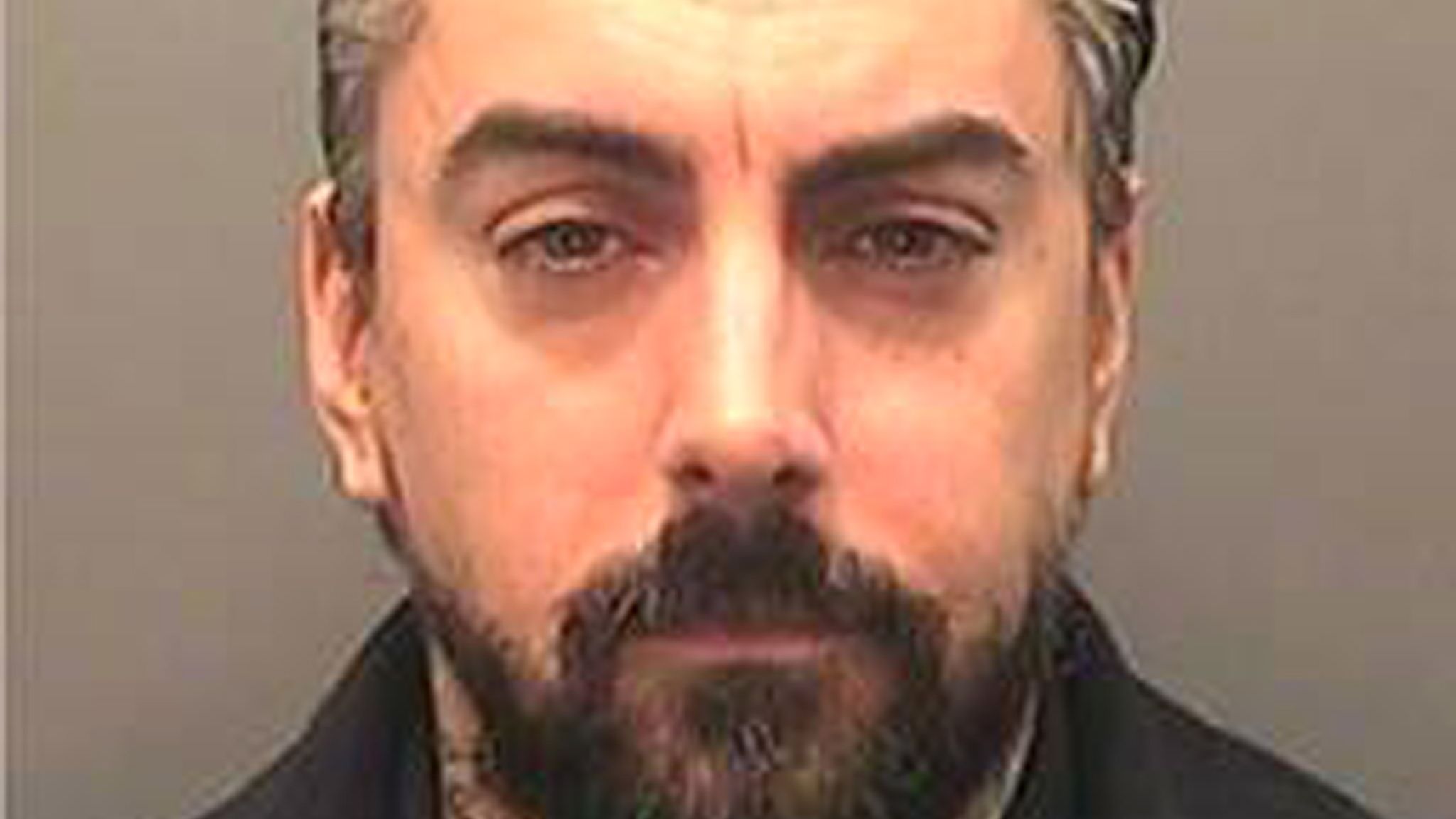
The Fatal Attack and Court Evidence
Watkins, infamous for his conviction on multiple sex offenses including the attempted rape of a baby, was serving a lengthy 29-year sentence plus six years on licence. He was fatally stabbed in his cell on October 11, 2023, in one of the most high-profile inmate murders in recent UK prison history.
During proceedings at Leeds Crown Court, prosecutors presented bodycam footage capturing Gedel’s unsettling attitude in the moments after the attack. When officers from the prison’s Dedicated Search Team (DST) searched Gedel’s cell, he was seen laughing and made a chilling comment: “I hope he sleeps.”
Patrick Wilson, a member of the DST, testified that Gedel’s reaction was brazen and provocative. When asked about the weapon, Gedel reportedly replied, “I used my hands,” suggesting he stabbed Watkins with his bare hands or improvised weaponry. Additional footage showed Gedel sarcastically wishing Watkins “a good night’s sleep, Watkins lad,” underscoring his apparent lack of remorse.

Background Tensions and Gedel’s Motive
Testimonies from prison staff further revealed Gedel’s growing frustration and agitation in the days leading up to the murder. He had been transferred from A wing to B wing the day before the stabbing, a move he strongly resisted.
Prison officer Adam Laycock detailed how Gedel repeatedly threatened to “do something” that would get him moved to segregation rather than accept the wing transfer. Laycock explained that Gedel preferred segregation over being housed in a location he disliked, indicating a motive rooted in defiance and control.
On the day of the attack, after a “code red” emergency was called, Laycock observed Gedel being escorted by officers with a “somewhat smug” expression and a noticeable smirk. Another officer, Justin Barrett, corroborated this, recalling Gedel’s displeasure about the move and his threats to instigate trouble to get transferred.
Post-Attack Behavior and Segregation
After the stabbing, Gedel was moved to the segregation wing at HMP Long Lartin. An officer there reported that Gedel appeared “proud of what had happened” and even said he “felt like a celebrity,” signaling a disturbing sense of accomplishment rather than remorse.

The Weapon and Co-Accused
The makeshift weapon used in the attack was meticulously fashioned from a Stanley knife blade taped to a piece of plastic cutlery, demonstrating premeditation and resourcefulness within the prison environment. Jurors heard that the weapon was discarded in prison bins after the assault, with Samuel Dodsworth, 44, allegedly disposing of it on Gedel’s behalf.
Gedel reportedly passed the improvised blade to Dodsworth following the attack, adding a layer of complexity as both men face charges not only for murder but also for possession of a contraband weapon within the prison.
Both defendants deny all charges, with the trial ongoing as further evidence and testimonies are presented to the court.
Why This Case Matters
This case exposes critical concerns about prison safety, inmate management, and the ability to prevent violent attacks within high-security facilities. Watkins, already one of the most reviled criminals due to his heinous offenses, was murdered despite stringent security measures, raising questions about the effectiveness of current protocols.
The behavior of Gedel—his defiance, calculated weapon fabrication, and disturbing pride—highlights challenges prisons face in controlling dangerous inmates and preventing inmate-on-inmate violence. The case also underscores the psychological dynamics at play in the prison system, where inmates may resort to violence as a means of exerting power or reacting to perceived injustices.
Looking Ahead
As the trial continues, the court’s findings will have significant implications for prison policies and the handling of high-risk offenders. The outcome will not only determine justice for Ian Watkins but also potentially influence reforms aimed at safeguarding vulnerable prisoners and staff.
The full details of the case and evidence have yet to be disclosed, but what has emerged so far offers a stark reminder of the volatile environment inside prisons and the urgent need for effective interventions to prevent such tragedies.