

A 19-year-old former Army cadet with a dangerous fixation on far-right extremism, Islamic State ideology, and violent misogyny has been sentenced to four-and-a-half years in prison for terrorising two schoolgirls and threatening a school shooting on Valentine’s Day.

A Web of Hate: Extremist Beliefs and Threatening Behaviour
Dihan Rahman, who was 17 at the time of his offences, cultivated a disturbing blend of extremist beliefs that fueled his threats and harassment. Court evidence revealed his ideology combined neo-Nazi sympathies, Islamic State propaganda, and the toxic misogynistic worldview associated with the Incel movement. Prosecutor Serena Gates KC told the Old Bailey that Rahman’s materials displayed a consistent hatred of Jewish people and women, connecting these ideologies through shared bigotry and violence.
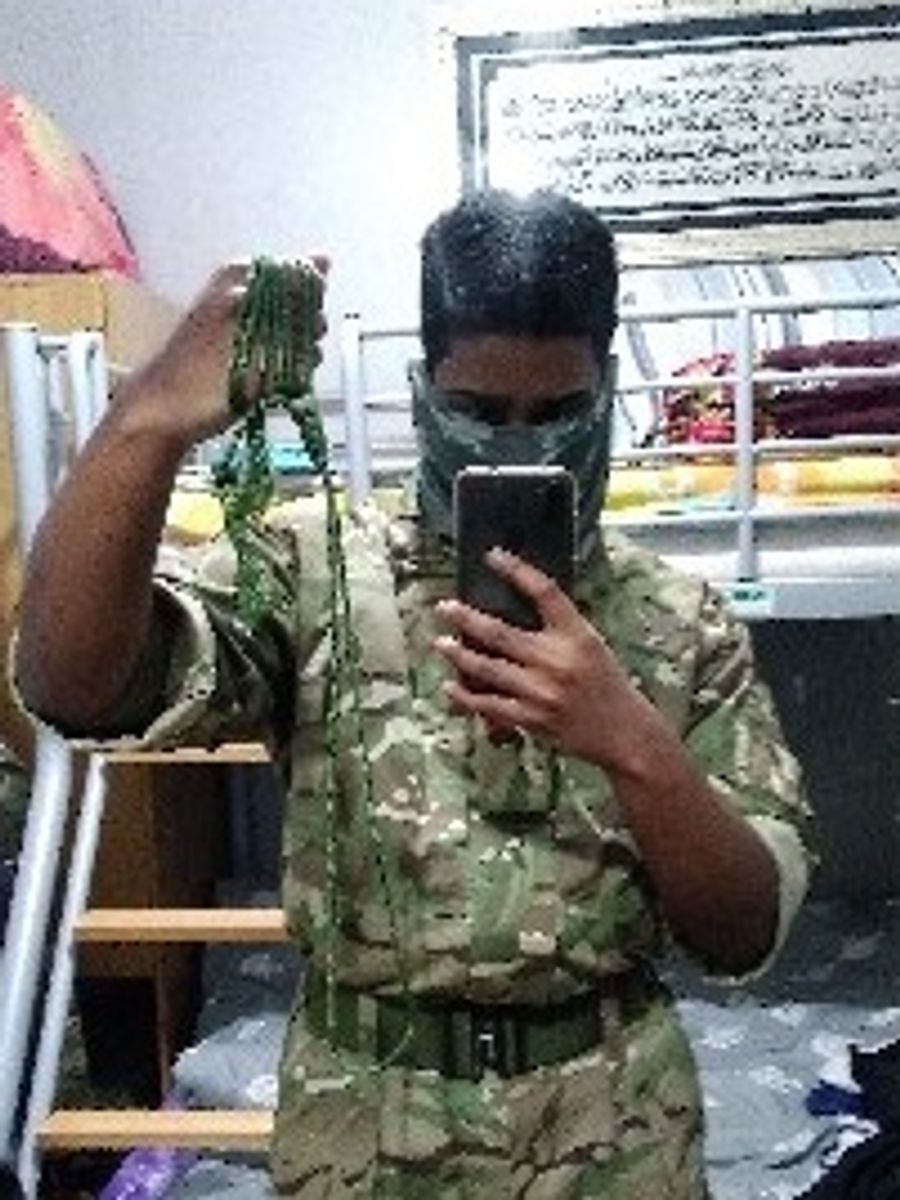
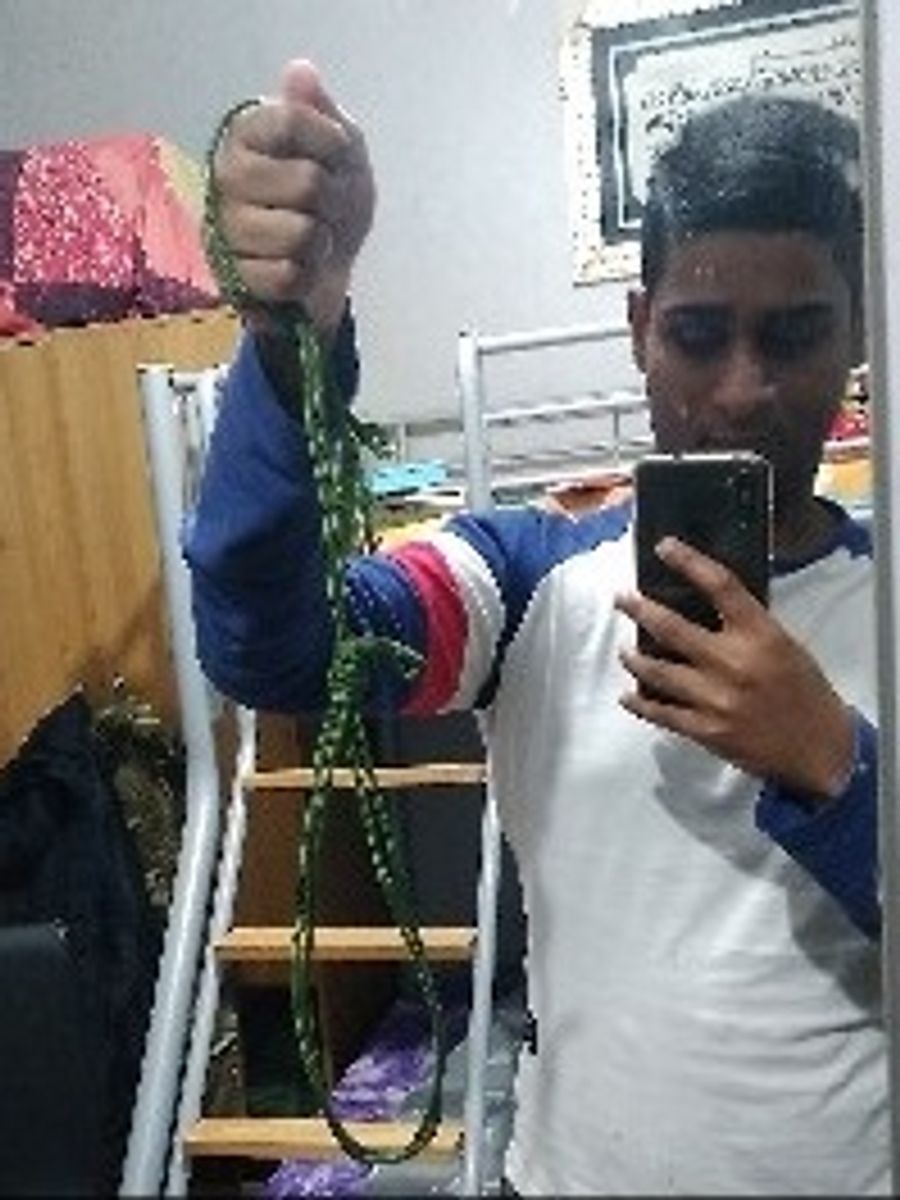
Rahman’s online activity was chilling. He posted bomb-making tutorials, including instructions for creating TATP explosives and pipe bombs, on his electronic devices. He also shared photos of himself performing a Nazi salute and holding a noose made from a green cord. His social media posts included violent imagery featuring Adolf Hitler, Saddam Hussein, graphic beheadings, and images depicting brutal violence against women.
In addition to his extremist content, Rahman engaged in a calculated campaign of stalking. He posted personal details of two schoolgirls and a teacher online as part of an ongoing harassment effort. His threats extended to promising to disrupt his school’s prom on Snapchat and TikTok, forcing the event to be relocated twice and secured heavily to prevent potential violence.
From Trusted Cadet to Convicted Offender
Once a trusted administrator of a far-right Telegram group, Rahman had cultivated an online persona by pretending to be a white youth, allowing him to embed himself deeper in extremist circles. His behaviour escalated rapidly in 2023, starting with taking unsolicited photos of one of the girls and her friends and “spamming” her social media accounts.
Rahman’s stalking included making malicious professional complaints against a teacher and persistent intrusions that severely affected the victims’ lives. The two young women lived in constant fear, changed their daily routines, withdrew from social activities, and limited their online presence to avoid further harassment. One of the girls even changed colleges due to the sustained anxiety and loss of confidence caused by his actions.
After his arrest on March 15, 2024, Rahman was placed on police bail with strict conditions to keep away from the victims. However, he breached these conditions by repeatedly searching for one of the girls online—83 times in one month alone—leading to his rearrest in November 2025 and remand in custody.
Legal Consequences and Broader Implications
Rahman pleaded guilty to multiple charges including three counts of stalking, three counts of possessing indecent images, and three counts of possessing documents useful for terrorism. On sentencing, Judge Simon Mayo KC condemned Rahman’s sustained and deliberate campaign of fear and intimidation.
“This was not a momentary lapse but a prolonged, planned, and concealed course of conduct,” the judge said. “The impact on your victims has been severe and enduring, causing lasting psychological harm and disruption to their education and daily lives.”
While the judge acknowledged Rahman’s autism spectrum disorder, emotional immaturity, and social isolation, he emphasized these factors offered no excuse for his calculated and harmful behaviour.
Why This Case Matters
Rahman’s case highlights the dangerous intersection of extremist ideologies, online radicalisation, and youth vulnerability. It underscores how far-right and Islamist extremist content, combined with misogynistic beliefs, can radicalize young individuals and inspire threats of mass violence. The use of social media platforms like Snapchat, TikTok, and Telegram as tools to spread hate and plan attacks poses ongoing challenges for law enforcement and schools.
The psychological impact on victims of stalking and threats is profound and long-lasting. Rahman’s actions disrupted not only the lives of his victims but also the broader school community, forcing major changes to events and security measures. This case serves as a stark reminder of the need for vigilance, early intervention, and robust support systems to protect vulnerable students from online and offline harassment.
Looking Ahead
As Rahman begins his prison sentence with an extended licence period of three years, the focus will remain on preventing similar cases through education, monitoring extremist content, and ensuring young people receive help before radicalisation takes hold. For the victims, healing will take time, but the court’s sentence marks a significant step towards justice and safety.
Full details of Rahman’s rehabilitation and ongoing monitoring have not yet been released.