

Doctors across the NHS have repeatedly taken strike action over the last decade, driven by deep-rooted frustrations about pay, working hours, and job security. Now, resident doctors are threatening another significant strike starting April 7, 2026, marking the 15th strike since 2023 alone. Understanding this cycle of industrial action requires revisiting the key moments that led to this sustained unrest.
The 2016 Junior Doctors’ Strike: The Spark That Ignited a Decade of Disputes
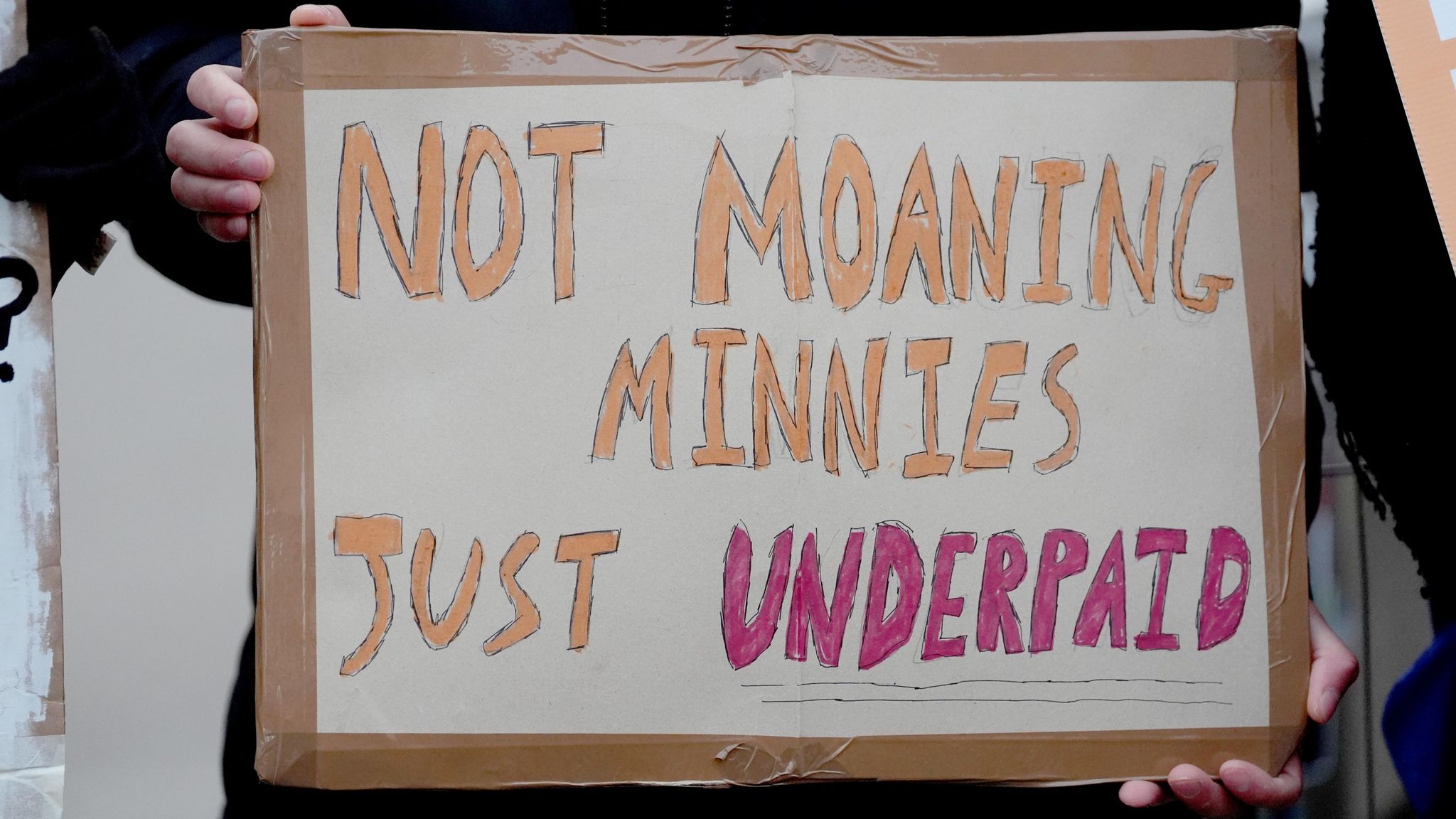
The modern wave of doctors’ strikes erupted in January 2016, when junior doctors protested a controversial new contract proposed by then-Health Secretary Jeremy Hunt. This contract sought to overhaul the pay structure by eliminating standard overtime rates while offering a modest increase in base salary. Junior doctors—medical professionals below consultant level—viewed this as a pay cut in disguise and an attack on their working conditions.
The strikes that followed were the first all-out doctors’ walkouts in over 40 years. Multiple rounds of industrial action throughout 2016 ultimately ended with the imposition of a revised contract, but the dispute left a legacy of mistrust between doctors and the government.
From Relative Calm to Renewed Turmoil: The 2023–2025 Strikes
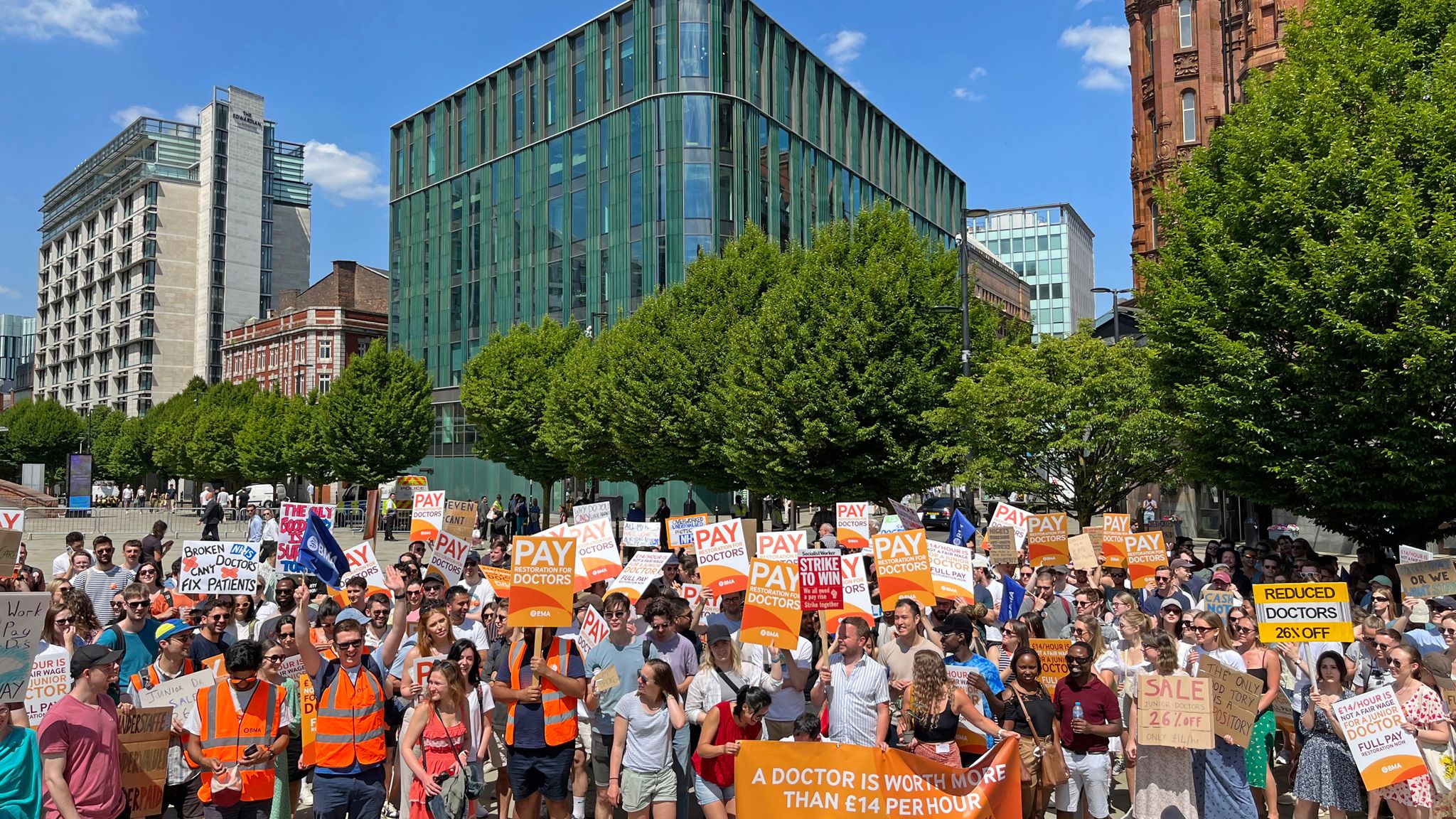
After a seven-year lull in strike activity, tensions reignited in 2023 under Prime Minister Rishi Sunak. Starting in March 2023, doctors staged monthly strikes for five consecutive months, demanding “full pay restoration.” They argued their earnings had effectively fallen by 20–30% since 2008 when adjusted for inflation and rising living costs.
The pay dispute escalated in 2024 with the longest NHS strike in history: a six-day walkout in January, followed by another in February. Despite these actions, negotiations stalled. The British Medical Association (BMA), representing doctors, declared that Sunak’s government had “made no credible offer” to reverse 15 years of pay erosion.
Following a general election in mid-2024, the incoming Labour government proposed a 22% pay rise over two years. Junior doctors, now rebranded as “resident doctors,” accepted this offer, temporarily ending strikes after years of unrest.
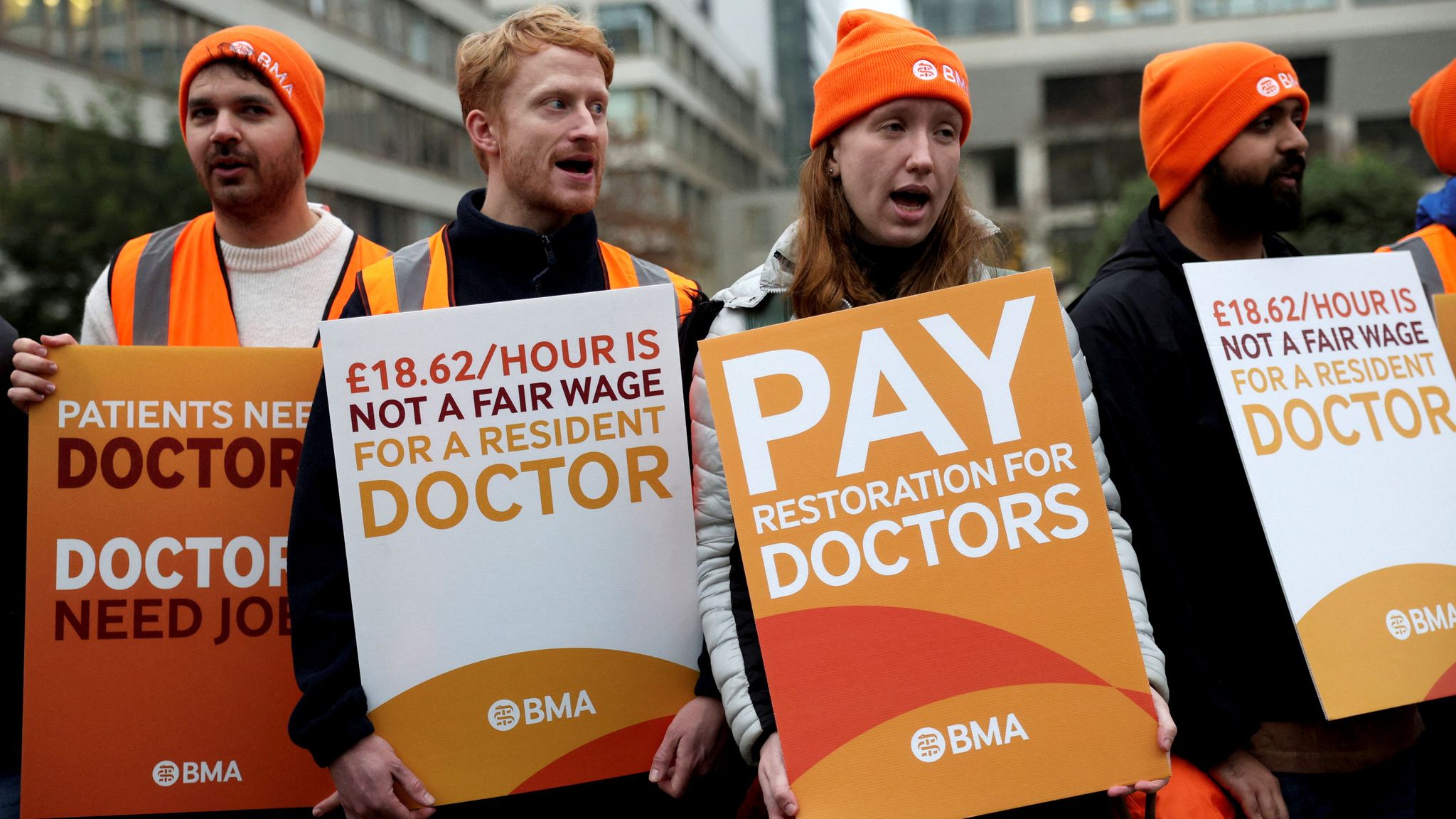
However, this ceasefire was short-lived. By 2025, unresolved issues such as insufficient specialty training posts and increasing employment insecurity for early-career doctors reignited tensions. Doctors complained about a lack of job opportunities after training, compounding financial concerns. This combination sparked fresh strikes in July, November, and December 2025.
The Current Crisis and What Lies Ahead
As 2026 unfolds, resident doctors have announced a six-day strike beginning April 7. This latest action will be the 15th strike since 2023, highlighting the persistence of unresolved grievances.
Labour leader Sir Keir Starmer criticized the BMA for rejecting what he called a “historic deal,” which included a 3.5% pay rise above inflation for 2026. He emphasized that this would have pushed total pay increases since 2023 to 25.5%, a figure he described as generous.
In contrast, the BMA insists that ongoing global pressures—including geopolitical conflicts like the war in Iran and soaring living costs—continue to erode doctors’ real incomes. Many doctors are reportedly choosing to leave the UK for better pay and working conditions abroad, exacerbating NHS staffing challenges.

Why This Matters: The Stakes for the NHS and Patients
The cycle of strikes reflects deeper systemic issues within the NHS workforce, particularly concerning fair compensation, job security, and career progression. Resident doctors are essential to patient care, especially in hospitals where they provide frontline services.
Repeated strikes disrupt services and strain already overburdened hospitals. The NHS faces growing challenges in retaining skilled medical staff, which could impact care quality and patient outcomes in the long term.
Resolving these disputes requires addressing not only pay restoration but also the broader structural concerns around training and employment pathways. Without sustainable solutions, the NHS risks further industrial action and continued workforce instability.
Looking Forward
The upcoming April strike underscores the urgency for meaningful dialogue between the government and doctors’ representatives. Both sides must reconcile their positions to prevent ongoing disruptions that affect millions of patients across the UK.
As the NHS navigates these complex challenges, the spotlight remains on policymakers to deliver a fair, forward-looking strategy that supports the vital medical workforce while safeguarding public health services.