

For the first time, an invasive mosquito species capable of spreading serious diseases like dengue and Zika virus has established breeding populations in the United Kingdom. This alarming development raises new public health concerns and underscores the urgent need for enhanced mosquito surveillance and control measures across the country.
What Happened: Discovery of a Dangerous Mosquito in the UK
Authorities have confirmed that Aedes albopictus, commonly known as the Asian tiger mosquito, is now breeding within the UK. This species is notorious worldwide for its role as a vector in transmitting viral diseases such as dengue fever and Zika virus. Its presence in the UK marks a significant shift in the local mosquito ecology, as this is the first time it has been found reproducing domestically rather than simply arriving as isolated individuals.
The Asian tiger mosquito is easily identifiable by its distinctive black-and-white striped legs and body. Originally native to Southeast Asia, it has spread rapidly across Europe and other continents in recent decades, largely due to global trade and travel. It often “hitchhikes” in shipments of goods like used tires and plants, which provide ideal breeding grounds for its eggs and larvae.
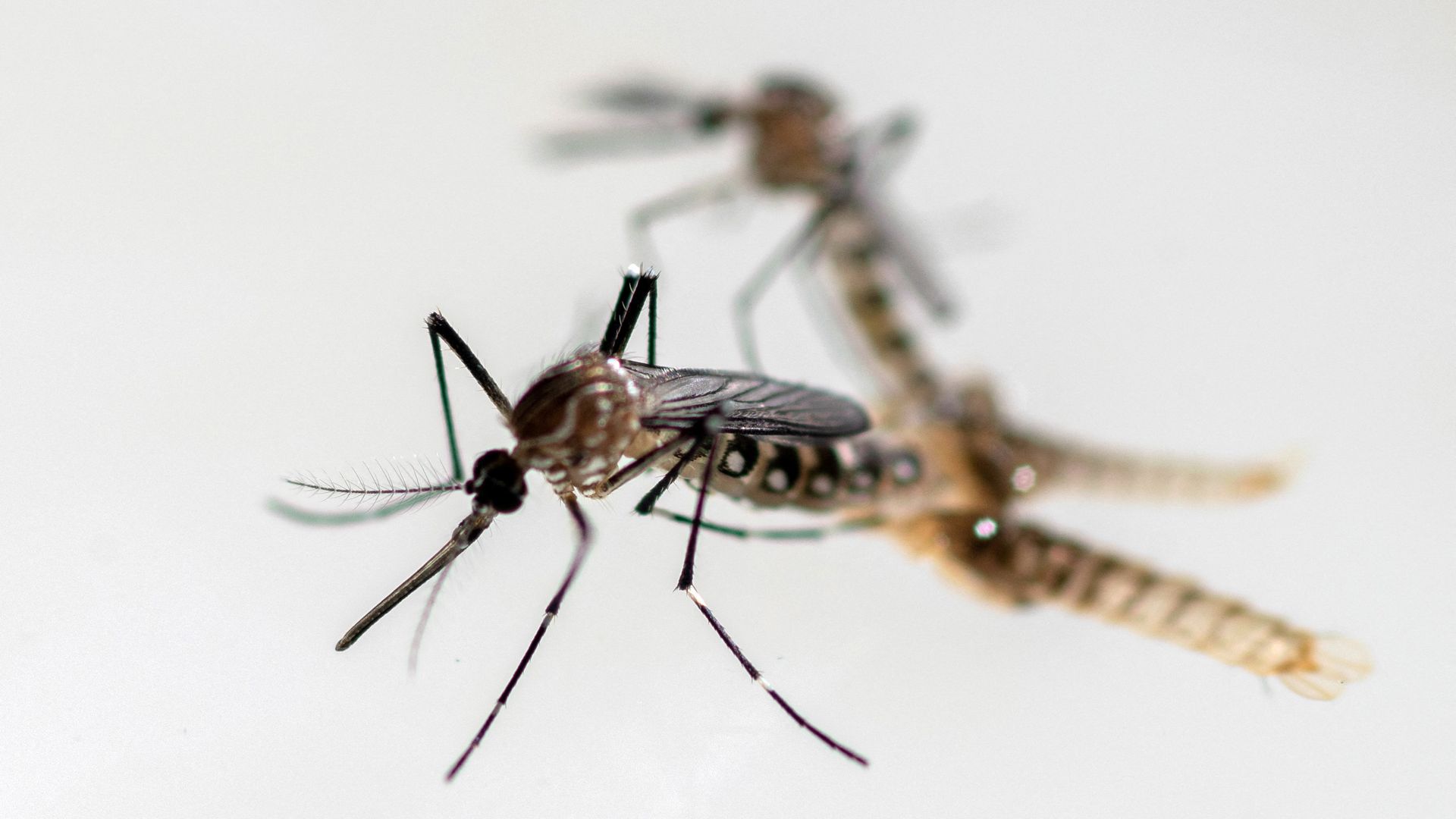
In the UK, the discovery occurred after targeted surveillance efforts intensified following reports of isolated sightings in previous years. Entomologists located breeding sites in urban and suburban areas, confirming that the species has begun to establish a foothold. This finding is particularly concerning because Aedes albopictus is a highly adaptable mosquito that thrives in temperate climates and can survive cooler temperatures than many other tropical mosquitoes.
Why It Matters: Public Health and Environmental Implications
The arrival of Aedes albopictus in the UK carries significant implications for public health. Unlike native mosquito species, this invasive mosquito can transmit several viral infections, including dengue fever, chikungunya, and Zika virus, all of which have caused serious outbreaks in other parts of the world.
Dengue and Zika viruses are primarily spread through the bite of infected female mosquitoes. Both diseases can have severe health impacts. Dengue can cause high fever, severe headaches, joint and muscle pain, and in extreme cases, life-threatening hemorrhagic fever. Zika virus gained global attention during the 2015–2016 epidemic, linked to birth defects such as microcephaly when pregnant women are infected.
The establishment of this mosquito species in the UK increases the risk of local transmission of these diseases, especially during warmer months when mosquito activity peaks. While no local dengue or Zika virus cases have yet been reported in the UK, the presence of a competent vector heightens the possibility, particularly as international travel resumes and introduces infected individuals into the country.
Beyond public health, the invasive mosquito can disrupt local ecosystems by competing with native species and potentially altering mosquito-borne disease dynamics. Its adaptability means it can exploit a wide range of breeding habitats—from natural containers like tree holes to artificial containers such as garden buckets, flower pots, and rainwater collectors commonly found in urban settings.
What Comes Next: Monitoring, Prevention, and Public Awareness
In response to this discovery, public health agencies and environmental authorities are ramping up mosquito monitoring programs across the UK. Early detection and rapid response are critical to preventing widespread establishment and reducing the risk of disease transmission.
Experts emphasize the importance of community involvement in mosquito control efforts. Residents are encouraged to eliminate standing water around their homes, maintain garden hygiene, and report any unusual mosquito sightings to local health departments. Educating the public about the risks associated with Aedes albopictus and how to minimize breeding sites can significantly curb the mosquito’s spread.
Additionally, researchers are exploring innovative control methods, including targeted insecticide spraying and biological controls, to manage the invasive mosquito populations effectively. Ongoing surveillance will also help track the mosquito’s distribution and inform risk assessments for vector-borne diseases.
Why This Discovery Matters for the UK’s Future
The detection of Aedes albopictus breeding in the UK signals a changing landscape in vector ecology driven by globalization and climate change. As temperatures rise and international travel continues to increase, the UK faces new challenges in preventing the introduction and establishment of disease-carrying mosquitoes.
This development underscores the necessity for robust public health infrastructure prepared to address emerging vector-borne disease threats. Proactive measures, combined with public cooperation, will be essential to limiting the risks posed by invasive mosquitoes and safeguarding the health of communities nationwide.
While no immediate outbreak has occurred, the presence of this invasive mosquito species serves as a critical warning. Vigilance, research, and effective public health strategies must continue evolving to meet these emerging challenges head-on.