

A harrowing attack unfolded outside a London residence where an Iranian journalist was violently stabbed in what a court has now identified as a carefully orchestrated assault by agents linked to the Iranian government. This chilling incident highlights the growing dangers faced by dissidents and journalists abroad who challenge powerful regimes.
The Attack: A Deliberate and Calculated Assault
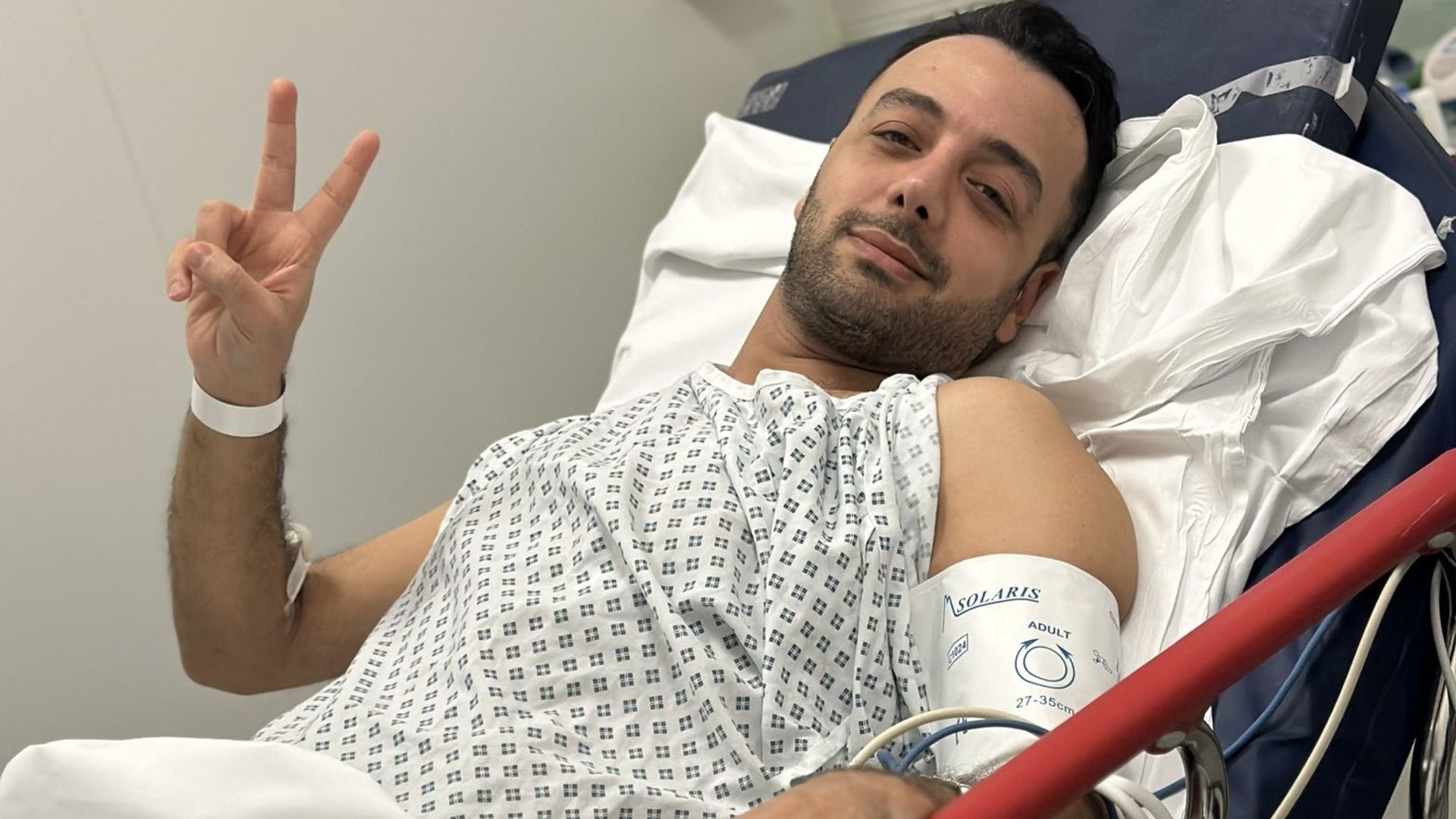
The victim, a prominent journalist known for his critical reporting on Iran, was ambushed outside his London home. Court proceedings have revealed that the stabbing was not a random act of violence but a “planned and targeted attack.” Evidence presented suggests that the assailants acted as “proxies” or operatives working on behalf of the Iranian state, aiming to silence dissent through intimidation and brutality.
This attack underscores a disturbing pattern where authoritarian governments extend their reach beyond their borders to suppress opposition voices. The fact that the assault occurred in a major Western capital like London raises serious concerns over the safety of exiled journalists and political activists who seek refuge from persecution.
Context: Iranian State’s Global Repression Tactics
Iran has a documented history of targeting dissidents worldwide, employing covert methods to intimidate and eliminate critics. The use of proxies allows the state to maintain plausible deniability while exerting pressure on individuals who expose human rights abuses, corruption, or political repression within the country.
Journalists like the victim play a crucial role in bringing transparency and accountability to Iran’s domestic affairs, often reporting on sensitive issues such as government crackdowns, censorship, and social unrest. Their work frequently places them at risk of retaliation, especially when they operate from foreign countries where they might expect protection.
London, known for its vibrant Iranian diaspora and as a hub for exiled activists, has unfortunately become a hotspot for such attacks. This incident reflects the broader geopolitical tensions and the lengths to which the Iranian regime will go to silence opposition voices—even on foreign soil.
What This Means for Press Freedom and Security Abroad
The stabbing incident is a stark reminder of the precarious situation facing journalists critical of authoritarian regimes. It raises urgent questions about the adequacy of security measures for vulnerable individuals living in exile and the responsibilities of host nations to protect freedom of expression.
Governments and international organizations must recognize the escalating risks and implement stronger protections for journalists and political refugees. This includes enhanced surveillance of suspected foreign operatives, swift legal action against perpetrators, and comprehensive support systems for those targeted.
Moreover, the attack serves as a call to action for the global community to condemn state-sponsored violence against the press unequivocally. Upholding press freedom is essential to preserving democratic values and ensuring that voices of dissent are not extinguished by fear or violence.
Looking Ahead: Strengthening Defenses Against Targeted Violence
As the court continues to investigate the links between the assailants and the Iranian government, security experts emphasize the need for increased awareness and preparedness among at-risk communities. Exiled journalists must remain vigilant, and host countries should prioritize intelligence-sharing and protective measures to deter future attacks.
This case may set a precedent in how courts address state-sponsored violence abroad, potentially leading to stronger international legal frameworks aimed at preventing such incidents. It also shines a light on the courage of journalists who continue their vital work despite facing grave personal danger.
The attempted assassination of this Iranian journalist in London is a sobering example of the ongoing battle for truth and justice in the face of oppressive regimes. It challenges the world to reinforce the safeguards that allow free journalism to thrive and to stand firmly against any force that seeks to undermine it.