

Every day, two women discover they have cancer during or shortly after pregnancy, forcing heartbreaking choices between vital treatment and precious time with their newborns. Sir Jeremy Hunt, Britain’s longest-serving health secretary, is now calling for urgent legal reform to allow these mothers to delay maternity leave, a move he describes as a “no-brainer” that would profoundly ease their burden.

The Challenge Facing Mothers Diagnosed with Cancer Around Pregnancy
In the UK, current laws mandate that maternity leave must start soon after birth, with no provision to delay it — even for those undergoing life-threatening illnesses. This rigid policy forces women diagnosed with cancer during or immediately after pregnancy to choose between maternity leave and cancer treatment, often resulting in lost time with their babies and disrupted care.
Charity Mummy’s Star highlights that two women every day face this devastating dual diagnosis. Research, including data from Macmillan Cancer Support, estimates that roughly one in every 1,000 pregnancies involves a cancer diagnosis, a figure that appears to be increasing. A US study published in the Journal of Global Oncology in 2018 found a slightly higher rate of one diagnosis per 800 pregnancies, underscoring the global nature of the challenge.

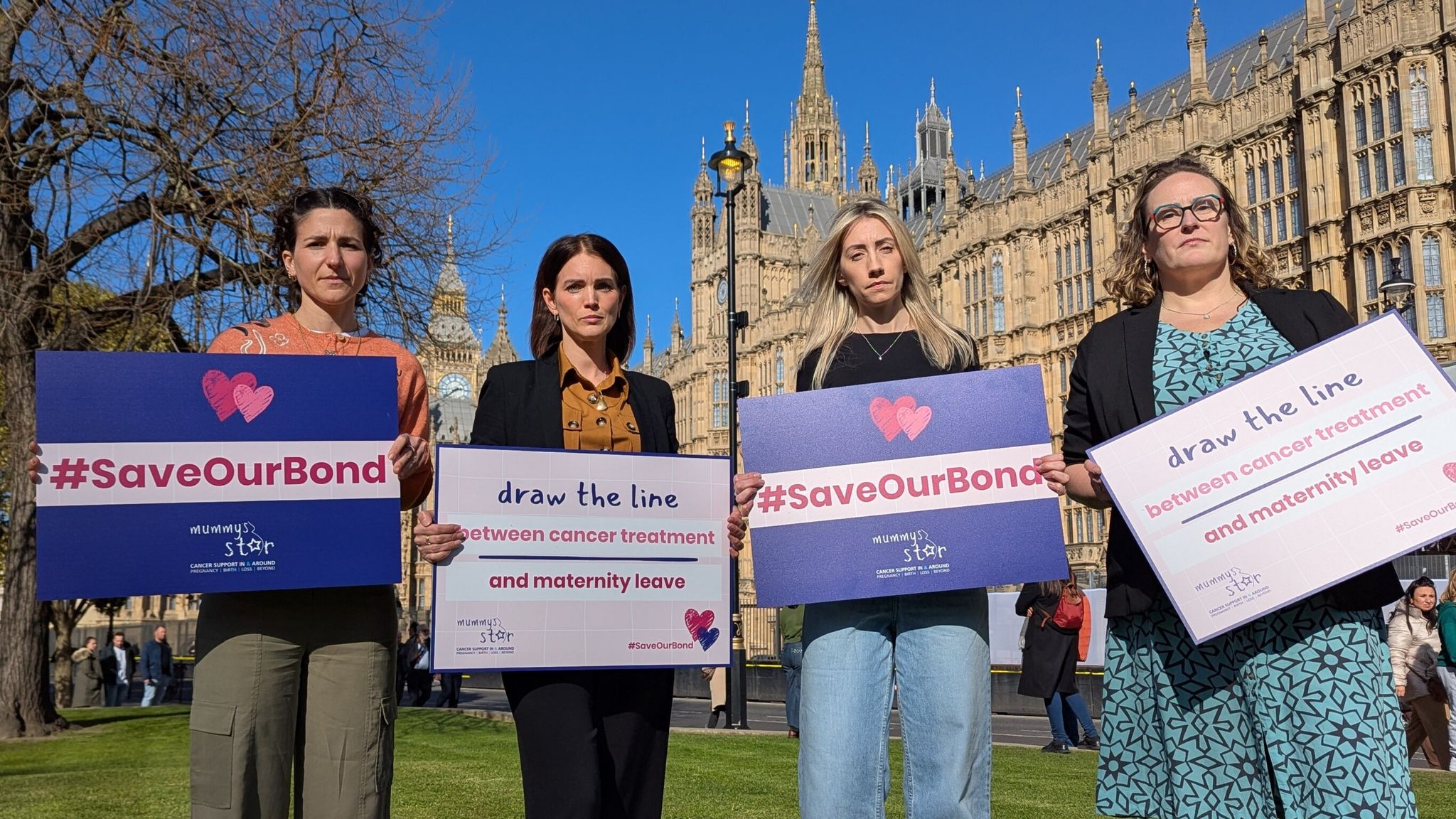
The campaign to change these laws is spearheaded by Pete Wallroth, founder of Mummy’s Star. His late wife, Mair, was diagnosed with breast cancer while pregnant in 2012 and tragically passed away within six months of giving birth. Wallroth emphasizes how the diagnosis overshadowed the early motherhood experience, stating, “We can’t be penalising people unfairly just because they got a cancer diagnosis around their pregnancy.”
Personal Stories Highlight the Urgency
Ashleigh Eccles, diagnosed with cancer shortly after giving birth in 2023, shared her heartache over losing her entire maternity leave to chemotherapy sessions. “I really felt like I had missed out on this magical time to bond with my baby,” she said, adding her shock at discovering the law does not allow leave to be postponed.
Similarly, Beth Dedman, diagnosed with Hodgkin’s lymphoma after childbirth in 2024, described the confusion and lack of guidance she faced from employers. “Everybody that I came across didn’t really know how to tell me that delaying maternity leave wasn’t even an option,” she recalled.
Why Changing Maternity Leave Law Matters
Sir Jeremy Hunt, who personally confronted cancer and lost close family members to the disease, calls the current policy “a guillotine hanging over your head.” He warns ministers that delaying reform will only increase suffering for mothers and families.

Hunt points out that the change would face “zero opposition” if introduced as draft legislation or a private member’s bill, receiving cross-party support from Conservative aides, Labour MPs, and Liberal Democrats alike.

Labour MP Jon Pearce has championed the cause in Parliament, stating that reform could benefit approximately 700 mothers annually. He reflected on hearing powerful testimonies from women forced to endure cancer treatment during maternity leave, describing it as a life-altering hardship.
The campaign argues that allowing maternity leave to be deferred would yield long-term benefits, including higher job retention and better mental health outcomes for mothers who otherwise risk losing their careers or bonding time.
Wallroth emphasizes that while the policy shift might entail short-term costs, it promises significant savings and societal benefits over time. “If you’re able to offer a deferment, they’re far more likely to stay in that job in the long-term,” he explains.
International Precedent and Government Response
Notably, Ireland introduced legislation in 2024 allowing maternity leave to be delayed in specific circumstances, providing a practical example that the UK can follow.
Sir Jeremy remarked, “If you can point to a country where it’s happened, and it hasn’t caused the skies to fall in, then that’s a pretty good indication it’s a sensible thing to do.” He called on ministers not to delay, highlighting how the change could significantly improve life for many families.
A spokesperson from the Department of Business and Trade acknowledged the devastating impact of a cancer diagnosis during maternity leave and stated that the National Cancer Plan and ongoing parental leave review aim to better support affected families.
Looking Ahead: A Compassionate Shift in Policy
Allowing mothers diagnosed with cancer around pregnancy to delay maternity leave represents a crucial step toward a more compassionate, flexible system that recognizes the unique challenges these women face. It would empower mothers to prioritize both their health and their newborns, without the crushing pressure of choosing one over the other.
With broad political backing and international examples to guide reform, the UK stands at a pivotal moment to update outdated maternity leave laws. By acting swiftly, ministers can alleviate suffering, support families, and ensure that no mother has to sacrifice essential maternity time while fighting cancer.