

Jess Phillips, a prominent Labour minister, has announced her resignation, adding to a wave of departures that underscore the intense pressures facing the party leadership. Her decision comes as Prime Minister Sir Keir Starmer grapples with maintaining authority and pushing through legislative reforms.
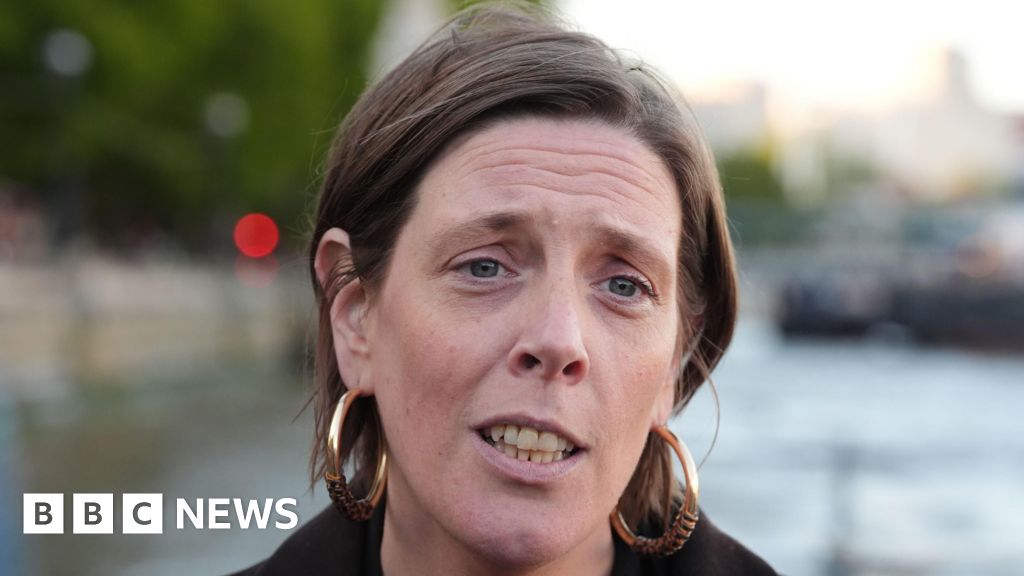
What Led to Jess Phillips’ Resignation?
In a candid resignation letter, Jess Phillips expressed deep frustration with the pace and nature of change within her ministerial role. She described “real change” as often emerging only after she issued threats in response to what she termed “catastrophic mistakes.” This reveals an environment where progress is reactive rather than proactive, highlighting systemic challenges in driving Labour’s agenda forward.
Phillips acknowledged that, fundamentally, she believes Sir Keir Starmer is “a good man” who cares about the right issues. However, she lamented that good intentions alone are insufficient, noting the party’s reluctance to engage in necessary debates. “The desire not to have an argument means we rarely make an argument, leaving opportunities for progress stalled and delayed,” she wrote.
This hesitation has tangible consequences, particularly for vulnerable groups. Phillips pointed to a specific example involving legislation to prevent children in the UK from taking and distributing naked images of themselves. She revealed it took an entire year to convince the prime minister to even threaten such legislation.
Incremental Change and Missed Deadlines
Phillips characterized the slow legislative process as the “definition of incremental change,” emphasizing the lack of bold, decisive action. She recalled that the announcement of this child protection legislation was initially scheduled for March but had been postponed multiple times, with promises now pushed to June. Frustrated by these delays, she declared, “I’ve given up believing it.”
The delay in implementing these safeguards has left many children vulnerable. Phillips criticized the government’s preoccupation with tech industry leaders over the urgent need to protect young people, underscoring the human cost of bureaucratic dithering.
Why This Matters: The Struggle for Meaningful Progress
Phillips’ resignation not only signals internal discord but also raises broader questions about the Labour Party’s ability to capitalize on its current political moment. Despite Sir Keir Starmer’s evident passion and commitment, Phillips cautioned that “deeds, not words” must drive the party forward.
She expressed skepticism about whether the party is seizing its “rare opportunity” with the urgency required. Her decision to step down was fueled by a refusal to “keep waiting around for a crisis to push for faster progress,” highlighting a critical tension between ambition and political caution within the party.

What Comes Next for Labour and Its Leadership?
The departure of Jess Phillips, alongside three other ministers, intensifies the pressure on Sir Keir Starmer’s premiership. It exposes fractures within the party at a time when clear, decisive leadership is essential to advance key policies and restore public confidence.
Labour’s leadership must now address the underlying issues Phillips raised: the need for bold legislative action, a willingness to engage in difficult debates, and a commitment to delivering tangible results. Without this, the party risks stagnation and missed opportunities to enact meaningful reforms.
For voters and political observers alike, these resignations serve as a barometer of the challenges facing Labour. They underscore the critical importance of leadership that not only cares but acts decisively to effect change.
Looking Ahead: The Stakes for Policy and Progress
Jess Phillips’ resignation shines a spotlight on the tensions between ideals and implementation within the Labour Party. Her critique of incrementalism versus bold action resonates beyond one minister’s departure—it challenges the entire political establishment to accelerate progress on pressing social issues, particularly child protection in the digital age.
As Labour navigates this turbulent period, the question remains: will the party transform frustration into momentum? The answer will shape not only the party’s future but also the welfare of millions of citizens awaiting urgent policy reforms.