

A man accused of the religiously aggravated rape of a Sikh woman dramatically changed his plea following a tense courtroom incident, now facing the potential of a life sentence for his crimes.
What Happened in Court
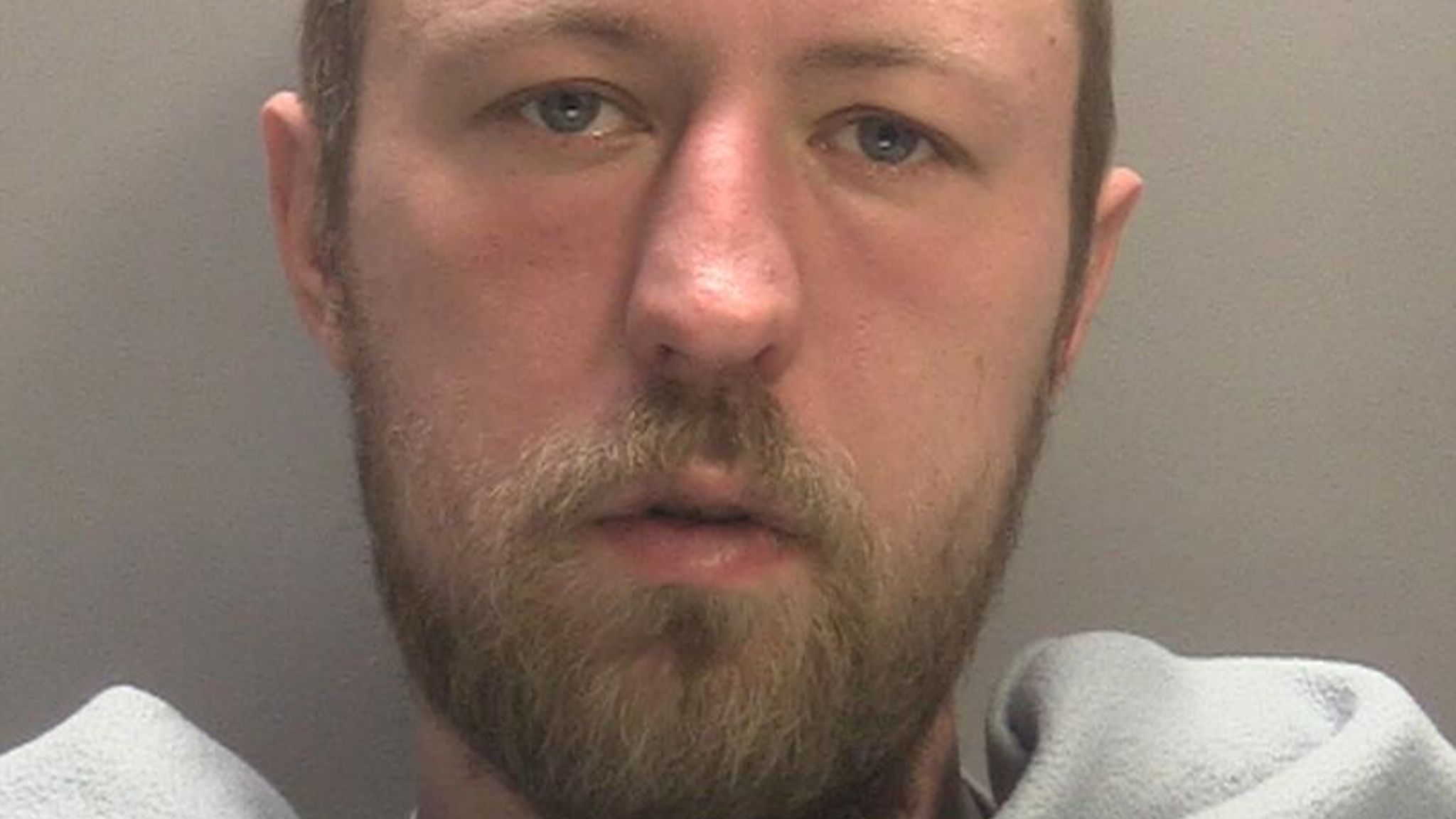
John Ashby, 32, appeared at Birmingham Crown Court charged with rape, robbery, intentional strangulation, and religiously aggravated assault. Initially pleading not guilty, Ashby reversed his plea approximately an hour after a disturbing outburst in court. During the hearing, an unknown member of the public approached Ashby at the dock and swore at him, telling him to “sort your s*** out.” The judge described this as an “ugly incident” that followed Ashby mumbling through the prosecution’s evidence presentation.
Ashby, who has no fixed address, now admits to the religiously aggravated rape of the Sikh woman, an attack which left her physically and emotionally devastated. The victim was scheduled to testify later that day but was present in court to witness the defendant’s change of plea.
Details of the Attack and Evidence
The prosecution outlined a chilling narrative of Ashby’s actions. According to KC Phil Bradley, Ashby deliberately targeted the woman after seeing her on a bus. He followed her on foot to her home in Walsall in October last year, where he violently attacked her.
Harrowing body-worn police footage was played to the jury, showing the victim visibly shaken and comforted by a female officer. The footage included her recounting how Ashby called her a “bloody Muslim b****” during the assault. The victim clarified that she is Sikh, not Muslim, highlighting the religiously aggravated nature of the attack.
In her police interview, the complainant described how Ashby forced his way inside, brandishing a stick. “He had a stick in his hand. I said ‘who are you’ and I started screaming,” she recounted. “He switched off the light. He said ‘I just want fun with you’. He said ‘you are a f****** Muslim b****’. I said ‘I am not a Muslim, I am a Sikh’.”

Prosecutors presented a compelling case tying Ashby to the crime with multiple strands of evidence. DNA samples and fingerprints found on a vape device linked him directly to the scene. The victim identified Ashby during an identity parade, and CCTV footage captured him near the victim’s home, including a moment when he picked up a two-foot-long wooden stick used during the assault.
Judge’s Warning and Impact on the Victim
Following Ashby’s guilty pleas, Mr Justice Pepperall issued a stern warning that he was seriously considering imposing a life sentence. The judge emphasized the severity of the crime, stating that a stranger breaking into a woman’s home to commit such offences with clear religious hostility marks him as a dangerous individual.
“I don’t think I need a report to tell me that,” the judge remarked. He made it clear that the court must weigh whether a life sentence is appropriate given the brutal nature of the offenses and the aggravating factor of religious hatred.
The judge also commended the victim’s courage, recognizing her bravery for attending court alongside her partner to witness Ashby’s admission of guilt despite the trauma involved.
Why This Case Matters
Rav Dhillon from the Crown Prosecution Service described the attack as “deeply disturbing” and driven by religious hatred. He highlighted that the crime violated the victim’s sanctuary—her own home—where she should have felt safest.
The CPS and West Midlands Police collaborated closely to build a solid case, compiling CCTV footage, DNA evidence, and witness statements that left Ashby with no option but to plead guilty.
“Our thoughts are with the victim, and we hope this outcome brings her some measure of justice,” Dhillon said.
Looking Ahead
Ashby’s sentencing is scheduled for Friday, where Mr Justice Pepperall will decide whether the defendant’s actions warrant a life sentence. This case underscores the grave consequences of hate-motivated crimes and the importance of robust legal action to protect vulnerable individuals, especially within minority communities.
The victim’s resilience in facing her attacker in court serves as a powerful reminder of the human toll behind such crimes and the justice system’s role in addressing religiously aggravated violence.