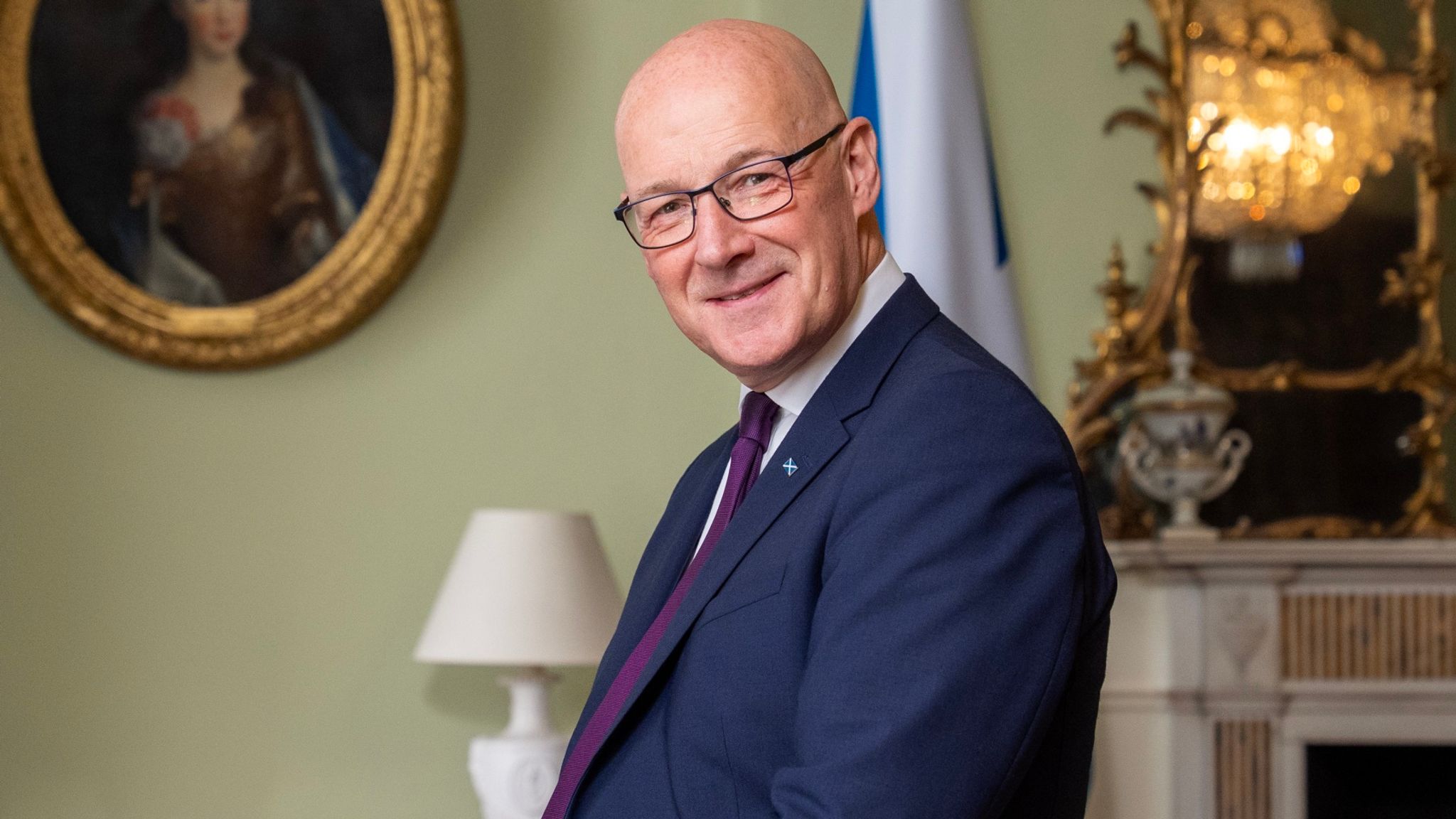
Scotland’s First Minister John Swinney launched a sweeping government programme that promises to reshape public services and tackle pressing social issues head-on. Highlighting major structural NHS reforms, a pioneering misogyny bill, and expanded transport affordability measures, Swinney’s announcement sets an ambitious agenda for the coming parliamentary term.
Transforming Scotland’s Health Boards: From 14 to 2 Strategic Bodies
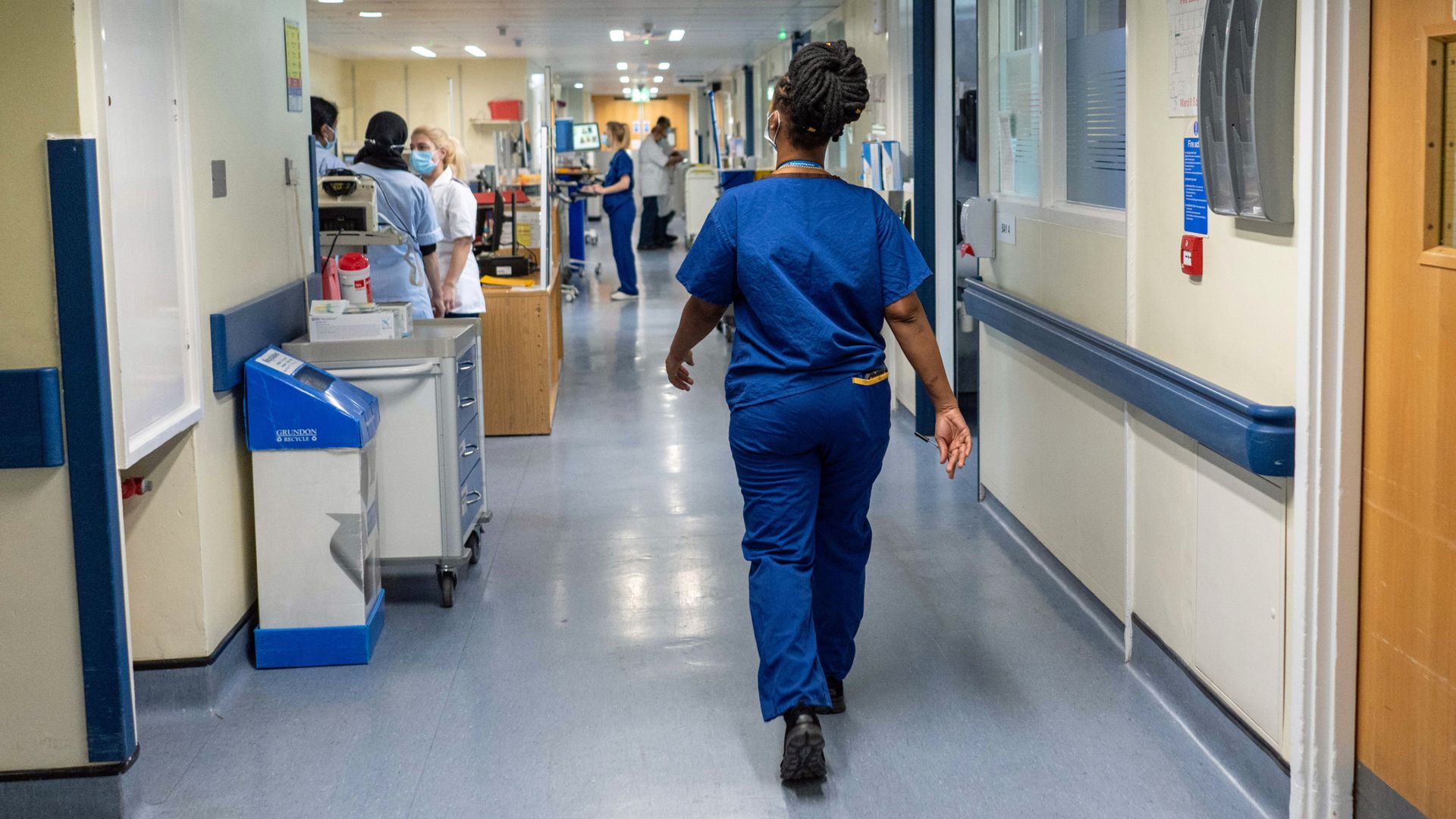
One of the most significant elements of Swinney’s programme is the radical overhaul of the National Health Service’s administrative structure. Currently fragmented into 14 territorial health boards, the system will be consolidated into just two strategic health boards. Swinney described this as the “most significant structural reform of the NHS in the era of devolution.”
This consolidation aims to streamline decision-making, reduce duplication, and enhance capacity across Scotland’s health services. The government’s goal is to ensure that by the end of 2031, no patient waits longer than 26 weeks for treatment—an ambitious benchmark addressing Scotland’s persistent healthcare delays.
However, the proposal has already met resistance. Unite union’s general secretary Sharon Graham warned this move could trigger “swingeing cuts and thousands of job losses,” labeling it a “slash and burn programme for the NHS.” Similarly, Scottish Trades Union Congress leader Roz Foyer cautioned the plan might be “more reckless than revolutionary,” emphasizing the risks of destabilizing frontline health services.
Introducing a Misogyny Bill to Combat Violence Against Women and Girls
Addressing violence against women and girls, Swinney pledged a new misogyny bill to be brought before the Scottish Parliament. This legislation targets deeply ingrained societal issues by enhancing legal protections and funding specialist third-sector organisations that provide vital support and prevention services.
The bill will explicitly recognize pregnancy as an aggravating factor in domestic abuse cases, strengthening safeguards for vulnerable women. It will also launch a public health campaign aimed at challenging misogynistic attitudes, especially among boys and young men, to foster cultural change from a young age.
The Scottish Rape Crisis Alliance (SRCA) welcomed the commitment but urged swift and sustained action, underscoring that “women and girls need to see meaningful change, not simply another set of promises.” Claudia Macdonald-Bruce of SRCA emphasized the urgency: “Enough is enough.”
Expanding Affordability and Social Support: £2 Bus Fare Cap and Beyond
Building on existing transport subsidies in the Highlands and Islands, the government announced plans to extend a £2 bus fare cap to major urban areas including Glasgow, Renfrewshire, Ayrshire, Dunbartonshire, Lanarkshire, and Inverclyde starting next Monday. The ambition is a national rollout by the end of the current parliamentary term, making public transport more affordable for thousands.
Beyond transport, the programme includes commitments to social welfare and community support:
- Universal breakfast clubs for all primary schools by August 2027, with after-school and holiday care available by August 2029.
- A plan to substantially reduce the number of public quangos over five years, aiming to rebalance power towards Scotland’s 32 local authorities.
- An investment target of 111,000 affordable homes by 2032, with 70% designated for social rent, addressing the country’s housing crisis.
- A £100 million boost to culture funding by 2028/29, including a pilot national minimum income for Scottish artists to support creative livelihoods.
- Rollout of bleed kits to community settings nationwide to combat youth knife crime and violence.
Political Reactions and What This Means for Scotland’s Future
While Swinney reaffirmed his commitment to Scottish independence, he acknowledged ongoing discussions about devolving new powers to Holyrood. He framed the programme as one centered on improving everyday lives: “More money in people’s pockets, shorter waiting lists, more homes, easier access to GPs, action on the climate, public services fit for the future, decisive action on violence against women and girls.”
Critics, however, remain skeptical. Reform UK Scotland leader Malcolm Offord dismissed the plans as “empty promises, just rebranded,” likening them to “rearranging the deckchairs on the Titanic.” Scottish Labour’s acting leader Dame Jackie Baillie echoed frustrations, calling for real action over rhetoric: “Warm words are no substitute for action.”
The debate highlights the challenges in balancing bold reforms with the practicalities of funding and implementation. The health board restructuring, in particular, will require careful management to avoid disruption while delivering efficiency gains. Meanwhile, the misogyny bill marks a significant legislative step in tackling violence and cultural change, an issue deeply affecting Scottish society.
Looking Ahead: Ambitious Goals, Critical Challenges
John Swinney’s government programme outlines a vision of transformation across healthcare, social justice, transport, and housing. Its success hinges on navigating political opposition, ensuring adequate funding, and managing complex reforms without compromising frontline services.
For Scots, the upcoming years promise significant change in how public services operate and how the government addresses entrenched social problems. The commitment to affordable transport and housing, alongside tackling violence against women, marks a government aiming to prioritize everyday quality of life.
As these plans unfold, the key question remains: will the ambitious promises translate into tangible improvements for Scotland’s citizens, or will they falter amid political and economic challenges? Full details and outcomes will become clearer as the government moves forward with implementation.