

Greater Manchester Police have finally secured a conviction for a brutal 2003 rape in Salford—more than two decades after an innocent man was wrongfully imprisoned for the crime. Paul Quinn was found guilty of the attack that had destroyed the life of a young mother, while Andrew Malkinson spent 17 years behind bars before his name was cleared.
What Happened: The Long Road to Justice
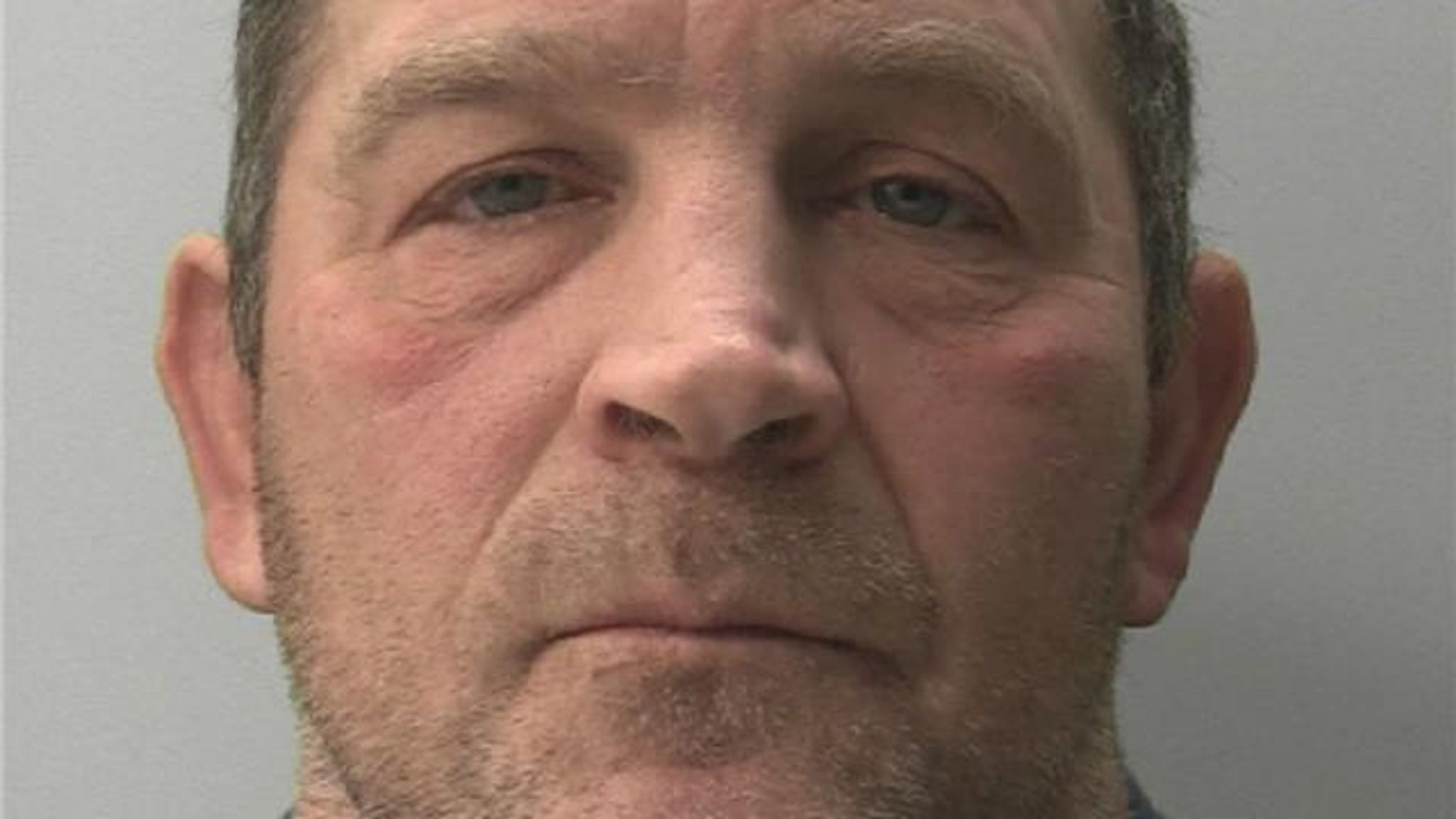
On 17 April 2026, a jury at Manchester Crown Court unanimously convicted 52-year-old Paul Quinn—now living in Exeter—of two counts of rape, one count of choking with intent, and one count of grievous bodily harm. The evidence spanned six weeks of detailed testimony and forensic analysis.
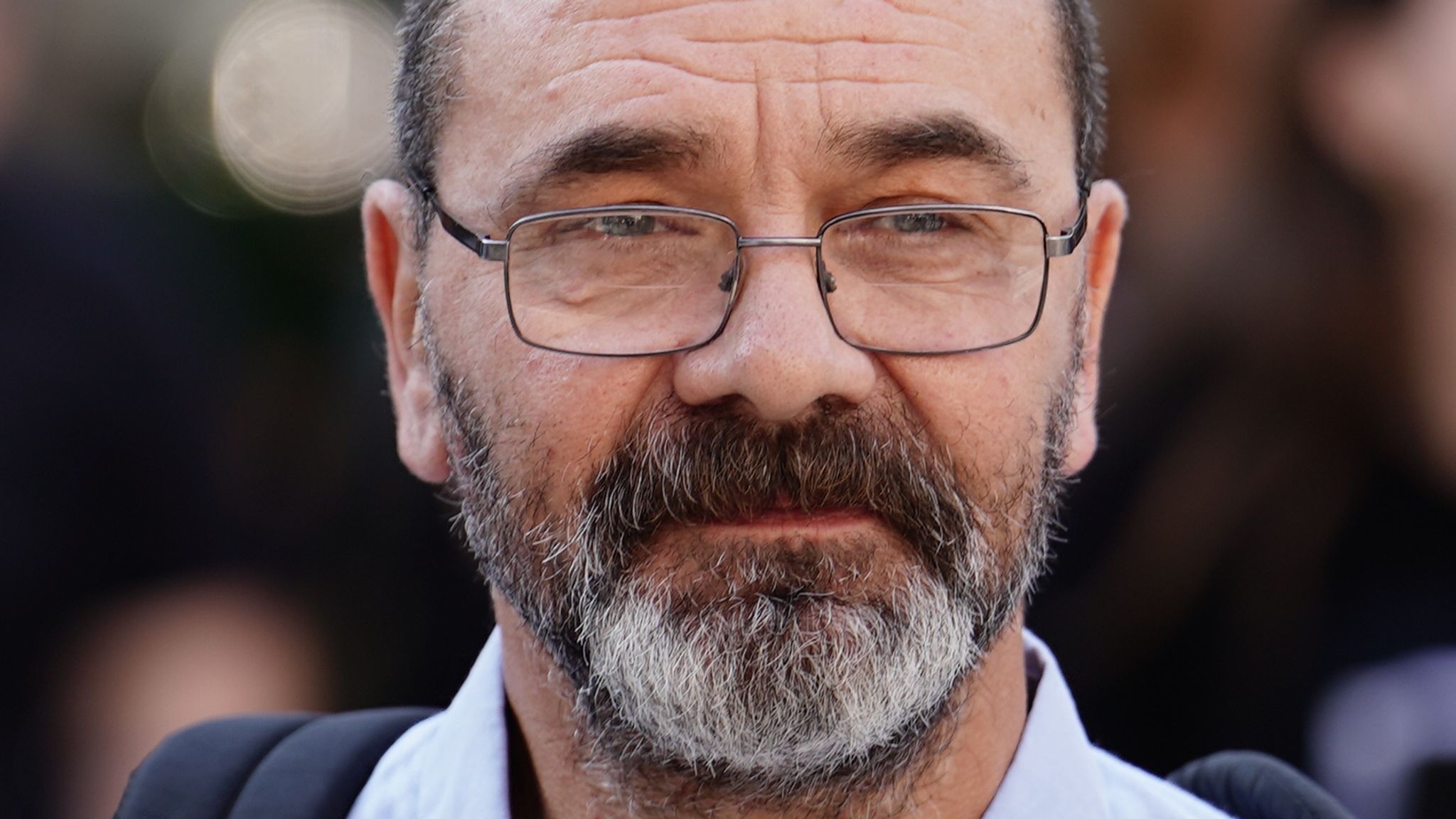
The original investigation in 2003 led to the arrest and prosecution of Andrew Malkinson, who was wrongfully convicted based on flawed evidence. He served 17 years in prison before the Court of Appeal overturned his conviction in 2023. This miscarriage of justice left a lasting scar on Malkinson’s life and delayed justice for the victim.
Greater Manchester Police acknowledged their failure to identify the true perpetrator at the time and expressed deep sorrow to both the victim and Malkinson. The case reignited in 2022 after advances in forensic science allowed DNA samples from the victim’s vest to be reanalyzed. These samples matched Quinn conclusively, prompting his arrest.
The Evidence Uncovered
The victim had provided a vivid description of her attacker back in 2003, describing a man with a shiny appearance, a hairless chest, and an open shirt during the assault. Eyewitness accounts from the time, as well as testimonies from people close to Quinn during the reinvestigation, corroborated this description. Witnesses recalled Quinn’s tendency to shave his chest during summer and noted that he returned home shirtless on the night of the attack.
Initially, Quinn tried to explain the presence of his DNA by claiming he had been sexually active with multiple women that weekend. However, investigators uncovered that Quinn had been closely monitoring developments in the case during Malkinson’s campaign to prove his innocence, suggesting a deeper involvement.

Why It Matters: The Impact of Miscarriage of Justice
This case highlights the profound damage caused by wrongful convictions—not only to the innocent individual imprisoned but to victims seeking closure. The victim endured the trauma of the attack and then the added pain of seeing the wrong man punished. Her courage to support the reinvestigation and relive the trauma was pivotal to finally bringing the true attacker to justice.
Assistant Chief Constable Steph Parker expressed a heartfelt apology to both the victim and Andrew Malkinson, acknowledging the two decades lost to injustice. She described Quinn as a dangerous individual who knowingly let an innocent man suffer for his crimes.
Detective Chief Superintendent Rebecca McKendrick, who led the reinvestigation, emphasized the meticulous work required to review over 6,000 documents, 760 exhibits, and 275 witness statements, including from former officers. She called on anyone with information about possible further offenses by Quinn to come forward confidentially.
The Broader Implications
The case underscores the power of forensic science to overturn wrongful convictions, but also the need for rigorous initial investigations. It demonstrates that every contact leaves a trace, and even after many years, offenders can be held accountable.
What Comes Next: Healing and Accountability
While Quinn now faces the consequences of his actions, the criminal chapter closes only partially. Greater Manchester Police continue to support ongoing inquiries into Malkinson’s wrongful conviction and the Independent Office for Police Conduct’s investigation. Both efforts aim to uncover how such a grave error occurred and to prevent similar miscarriages in the future.
The victim’s resilience and Malkinson’s perseverance exemplify the human cost behind statistics of wrongful imprisonment and violent crime. Their stories remind us that justice delayed is justice denied—and securing the truth, even decades later, is vital for healing and trust in the legal system.
Ultimately, this case serves as a stark warning: the pursuit of justice requires relentless dedication, precise forensic science, and unwavering support for victims and the wrongfully accused alike.