The future of English football took a significant leap forward today as the Duke and Duchess of Cambridge officially inaugurated the new England training centre. This state-of-the-art facility is set to become the cornerstone of national team development, symbolizing a renewed commitment to excellence on and off the pitch.
What Happened at the Opening Ceremony
The opening event was marked by a comprehensive tour of the centre, where William and Kate engaged directly with the England squad and their manager, Roy Hodgson. The royal couple spent time on the training pitch, sharing conversations with prominent players such as Steven Gerrard and Ashley Cole, highlighting the close connection between the monarchy and English football.
The presence of the Duke of Cambridge carried particular significance given his role as the President of the Football Association (FA) and his well-known enthusiasm for the sport, especially as a supporter of Aston Villa. His involvement lent a powerful endorsement to the centre, emphasizing its importance to the nation’s sporting ambitions.
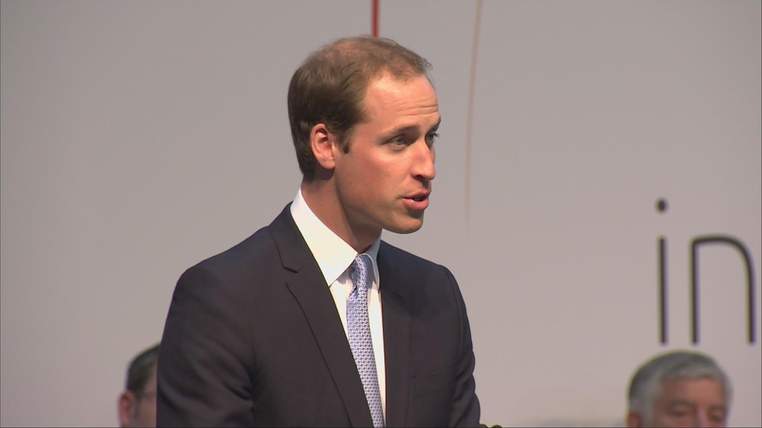
After the tour, William delivered a heartfelt speech, expressing his pride and excitement for the new facility. He compared the opening to his earlier visit to London’s Olympic Park, a symbol of British sporting excellence and community spirit. This comparison underscored the centre’s potential not only as a hub for football but as a broader social initiative that will engage communities and inspire future generations.
__IMAGE_PLACEHOLDER_1__
A Vision Beyond Football: William’s Perspective
In his address, the Duke of Cambridge painted a vivid picture of the centre’s multifaceted role. He described it as much more than a top-tier training ground for England’s national teams. Instead, he framed it as a “university” for coaching education, where thousands of coaches will gain advanced qualifications. This approach reflects a strategic investment in improving the overall quality of football coaching across the United Kingdom.
William emphasized that the centre aims to serve as a “magnificent example of the sort of social initiative that brings opportunity and purpose to wider British life.” This statement highlights how the facility is designed to contribute to society by fostering personal development, community engagement, and social mobility through sport.
Such an outlook aligns with current trends in sport facility development, where the goal extends beyond elite performance to include education, research, and community outreach. By integrating these elements, the England training centre sets a new standard for how national sports bodies can influence societal well-being.
__IMAGE_PLACEHOLDER_2__
Strategic Ambitions: Insights from the Football Association
David Sheepshanks, chairman of St George’s Park and a key figure in the Football Association, provided further insight into the centre’s mission. He described the facility as a “beacon for nurturing and educating the best coaches and players in the country.” This vision underscores the centre’s role as a national hub for talent development across multiple levels of the sport.
Sheepshanks articulated a clear ambition: “I have no doubt that this will improve our chances of winning a World Cup.” This statement reveals the strategic importance the FA places on the centre as a catalyst for international success. The investment aims not only to raise standards domestically but also to position England among the elite footballing nations on the global stage.
The emphasis on coaching education, player development, and cutting-edge facilities reflects a comprehensive approach to long-term success. By centralizing these resources, the FA hopes to create a sustainable pipeline of talent and expertise that can support England’s football ambitions for decades to come.
__IMAGE_PLACEHOLDER_3__
Why This Matters: The Broader Impact of St George’s Park
The launch of the England training centre represents a pivotal moment in the evolution of football in the United Kingdom. Beyond its immediate function as a training venue for professional athletes, the centre embodies a holistic philosophy that blends sport, education, and social responsibility.
For players, coaches, and fans alike, the facility promises to elevate the quality and competitiveness of English football. For communities across the country, it offers opportunities for engagement, learning, and advancement, helping to bridge social divides through the unifying power of sport.
Moreover, the royal endorsement and leadership from figures like William and Sheepshanks signal a unified national commitment to nurturing talent and fostering excellence. This aligns with broader UK government and FA strategies to enhance grassroots participation, promote diversity, and achieve success on the international stage.
As St George’s Park begins its journey, it sets a precedent for how modern sports infrastructure can serve multiple purposes: from elite athlete preparation to community empowerment. Its impact will be measured not only in trophies won but in lives transformed and aspirations realized.
Ultimately, the opening of this centre marks a bold step toward securing England’s place at the pinnacle of world football while championing the values of education, opportunity, and social progress.