

Two young boys from Gaza, who were given critical medical treatment in the United Kingdom, have voiced deep disappointment, accusing the Prime Minister of breaking a vital promise. They say assurances to reunite them with their families and to bring hundreds of injured children to the UK for care have not been fulfilled.
Background: Medical Aid and Family Reunification Promises
The two boys were among a group evacuated from Gaza amid ongoing conflict, receiving essential medical treatment in the UK’s hospitals. Their cases drew public attention as symbols of humanitarian efforts undertaken by the British government during a fraught crisis.
At the outset, the UK government pledged to facilitate family reunifications and expand the program to allow hundreds of injured children from Gaza to come to the UK for urgent medical care. This promise was seen as a crucial humanitarian gesture, offering hope to many families torn apart by violence and displacement.
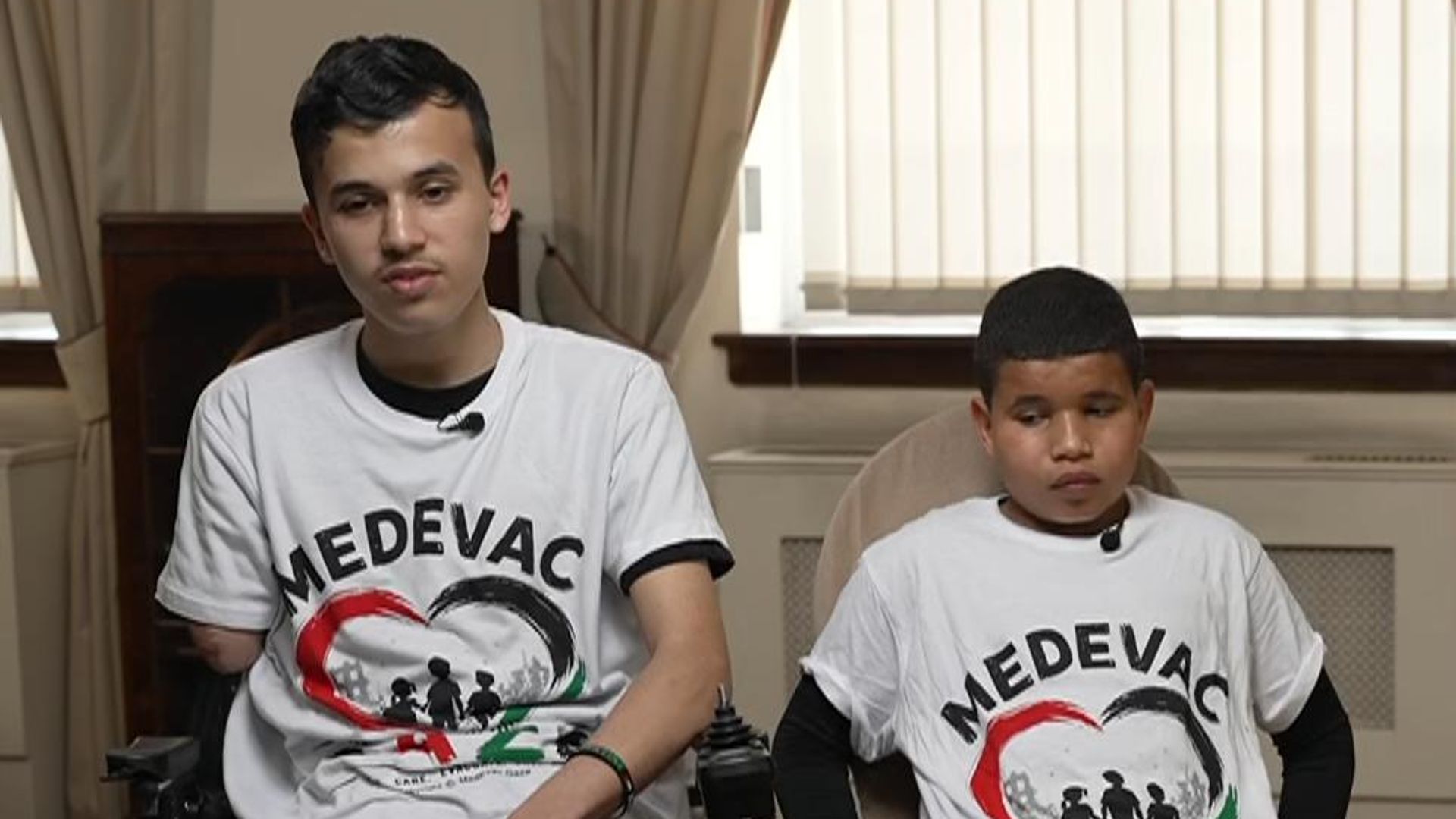
The boys and their families had expected this commitment to be upheld swiftly, allowing them to rebuild their lives together in safety. However, months have passed with little progress, leaving many feeling abandoned and betrayed.
What Went Wrong: Unmet Expectations and Government Response
The boys’ public statements highlight a growing frustration with delays and bureaucratic hurdles that have stalled the reunification process. They emphasize that the government’s assurances raised hopes across Gaza and the UK, but the lack of tangible action has led to profound disappointment.
Critics argue that the UK government’s failure to expedite family reunifications and medical evacuations undermines its humanitarian credibility. For the boys and others like them, the gap between political promises and real-world outcomes translates into continued separation, uncertainty, and trauma.
Government officials have not provided a detailed explanation for the delays, citing complex logistical and security challenges. Yet, many humanitarian organizations and advocates stress that urgent action and clearer communication are essential to honor the commitments made.
Why This Matters: The Human Cost and Broader Implications
This situation sheds light on the broader challenges facing vulnerable populations caught in conflict zones. For the boys from Gaza, the promise of medical treatment and family reunification represents more than just a policy—it is a lifeline to healing and normalcy.
The failure to fulfill these promises risks eroding trust between affected communities and the UK government, complicating future humanitarian initiatives. It also raises critical questions about the responsibilities of nations offering refuge and aid during international crises.
For many families in Gaza, the possibility of safe passage and medical care abroad remains a vital hope amid ongoing instability. Delays and broken promises deepen their suffering and prolong their separation, with lasting psychological and social impacts.
Looking Ahead: What Needs to Change
To restore confidence and meet its stated goals, the UK government must accelerate efforts to reunite families and expand medical evacuations for injured children. Transparent communication about the challenges and progress can help manage expectations and maintain public support.
Humanitarian groups urge that diplomatic channels, logistical arrangements, and legal frameworks be streamlined to facilitate swift action. The boys’ experience highlights the urgency of translating political promises into concrete outcomes that prioritize human dignity and well-being.
In summary, the broken promises to these boys from Gaza underscore the critical importance of accountability in humanitarian commitments. As the UK navigates complex geopolitical realities, maintaining its moral responsibility to vulnerable children and their families remains paramount.