

Sir Keir Starmer erupted in frustration this week amid escalating controversy over the failed security vetting of Lord Peter Mandelson. The usually composed prime minister insisted he was never informed about the vetting issues, setting the stage for a dramatic confrontation in parliament as critics demand accountability and some call for his resignation.

The Security Vetting Controversy Unfolds
The uproar centers on revelations that Lord Mandelson was granted security clearance despite a recommendation against it by UK security vetting authorities. Downing Street officials maintain that Starmer and other ministers only learned of the vetting failure late Tuesday evening, days after the government had been reviewing Mandelson’s appointment. The prime minister has vowed to present the full facts to parliament on Monday, aiming to demonstrate he did not mislead MPs.
Opposition leader Kemi Badenoch accused Starmer of deliberately lying to protect his position, intensifying political pressure ahead of the Commons showdown. The government’s chief secretary, Darren Jones, described the incident as a “security failing” and a “failing of the state,” underscoring the severity of the lapse.

Where Did the Communication Break Down?
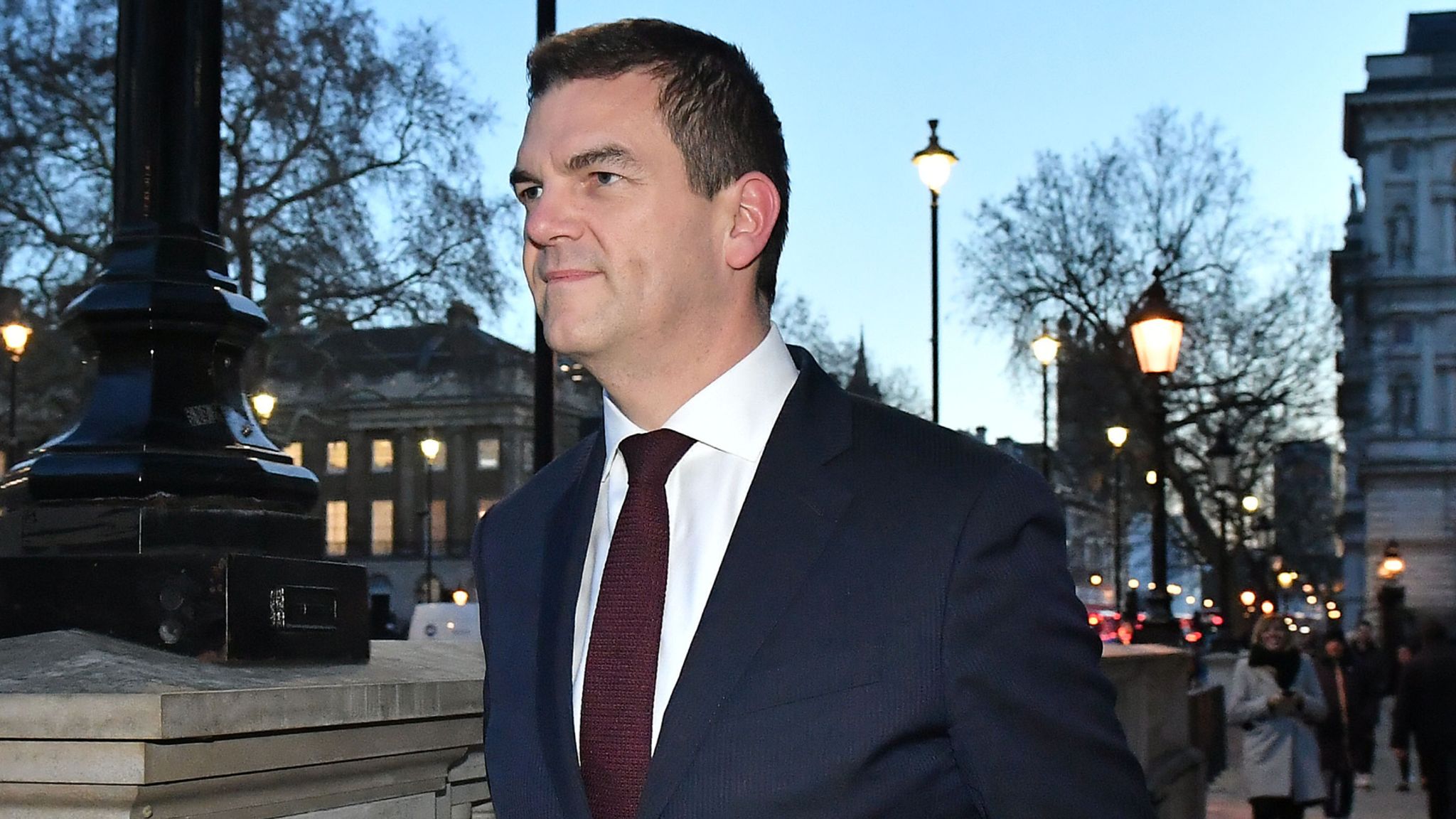
The government has placed blame on the Foreign Office, announcing the dismissal of Sir Olly Robbins, the former permanent secretary, as part of the fallout. Robbins reportedly handled the vetting process and, according to official statements, did not inform ministers of the negative security recommendation due to strict confidentiality protocols.
However, this explanation has met with skepticism from former senior civil servants and mandarins. Some experts find it implausible that Robbins or other Foreign Office officials would withhold such critical information from the prime minister or his advisers. One senior figure noted that security vetting decisions, especially for high-profile individuals like Mandelson, typically require clear communication with political leaders.
Adding complexity, sources suggest “failing” security vetting can have nuances, especially if the subject lives abroad or requires limited access to sensitive materials. Even so, the government’s claim that ministers remained uninformed strains credulity, as permanent secretaries usually share such serious matters with their political superiors promptly.
Dame Emily Thornberry, chair of the Foreign Affairs Select Committee, has summoned Sir Olly Robbins to testify on Tuesday. Robbins may seek to defend his actions and reputation, especially following his sudden dismissal.
Implications for Starmer and Parliament’s Trust
The core question is whether Starmer knowingly misled the House of Commons, which would constitute contempt of parliament—a grave constitutional breach. The prime minister’s defense hinges on the assertion that he was genuinely unaware of the vetting failure until just days ago and that he intends to correct the parliamentary record fully.
Parliament relies on truthful disclosures from ministers to function effectively. If the prime minister or his team withhold or distort facts, it undermines parliamentary scrutiny and democratic accountability. Observers note that if Starmer only recently obtained the full details, issuing a correction could absolve him of contempt, though it raises questions about why the information was not disclosed sooner.
Critics question the government’s internal processes: If the vetting failure was known internally for weeks during the Mandelson appointment review, why did it only surface publicly on Tuesday? Was there a breakdown in internal checks or deliberate obfuscation? Such questions fuel concerns about government competence and transparency.
For Sir Keir, this episode is a potential political minefield. While accusations of incompetence or gullibility may not amount to contempt, they could damage his credibility and leadership standing. The prime minister must now convince MPs that he acted in good faith, was kept in the dark, and will take steps to rectify the security vetting system’s flaws.
What This Means Going Forward
This scandal highlights the critical importance of robust security vetting procedures, especially for high-profile appointments. It also exposes vulnerabilities in government communication channels and raises fundamental questions about accountability at the highest levels.
As parliament prepares for Monday’s session, all eyes will be on Starmer’s ability to navigate this crisis. His response will not only affect his political fate but also the public’s trust in the integrity of the UK’s security and governance systems.
Ultimately, the unfolding drama underscores how transparency and timely disclosure are essential pillars of democratic leadership. How the prime minister manages this challenge will shape perceptions of his competence and commitment to accountability.