

Sir Keir Starmer’sOlly Robbins has triggered a political explosion within the ongoing Peter Mandelson security vetting controversy, according to veteran Labour figure Baroness Harriet Harman. This bold move has intensified scrutiny on the government, raising questions about leadership, transparency, and the vetting process for sensitive diplomatic posts.
What Sparked the Mandelson Security Row?
The controversy centers on Peter Mandelson’s failed security clearance for the role of UK ambassador to the United States. Mandelson, a prominent Labour politician and former EU Trade Commissioner, was appointed despite concerns raised by UK Security Vetting (UKSV). UKSV reportedly recommended against his appointment due to unresolved security issues, labeling it a borderline case.
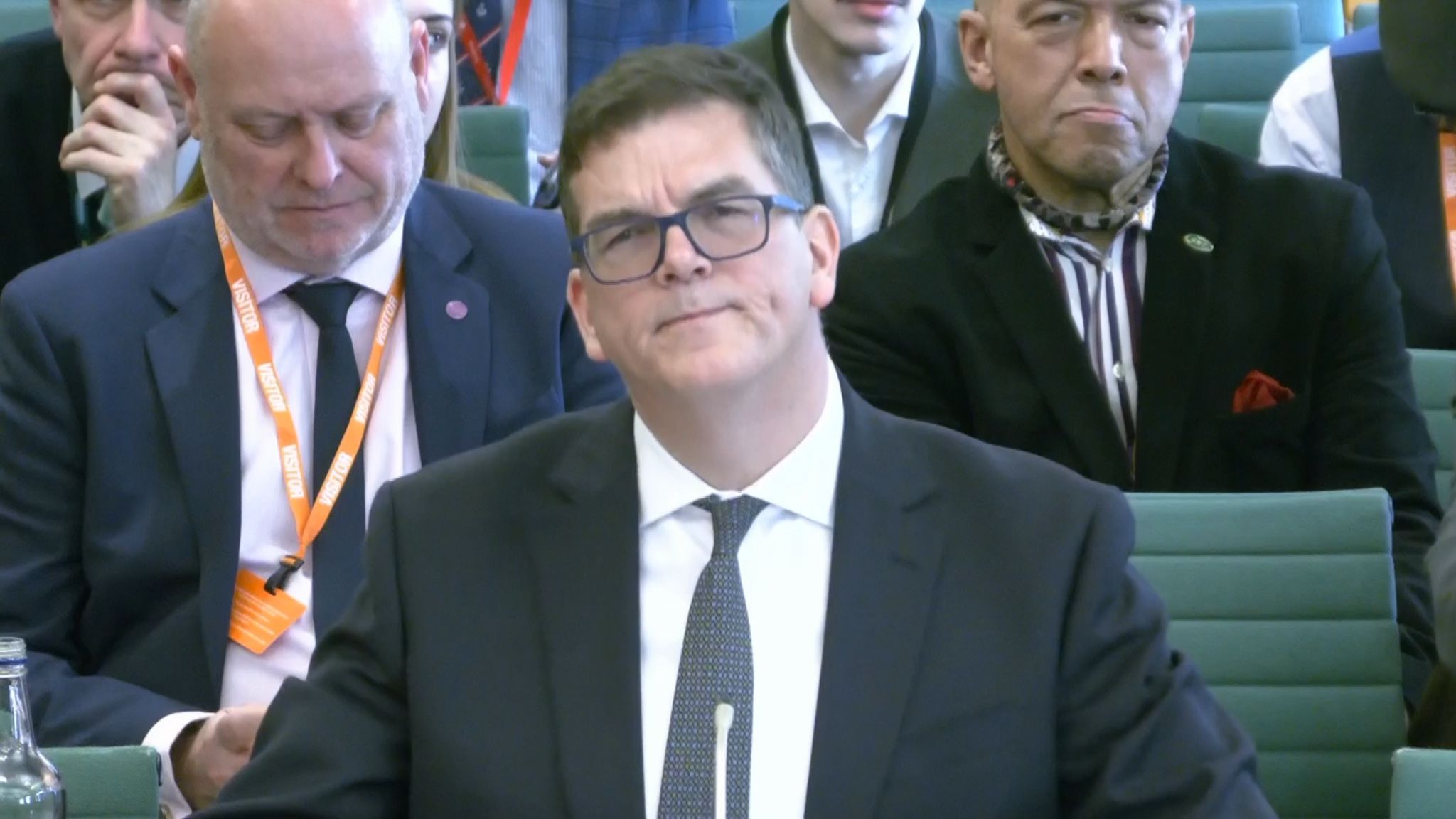
Olly Robbins, the former chief official at the Foreign Office, was responsible for the final decision on Mandelson’s clearance. Robbins maintained that the decision to grant or withhold clearance was his to make and that UKSV’s findings were not definitive enough to block the appointment outright.
However, Sir Keir Starmer publicly criticized Robbins for failing to inform him that Mandelson had not passed the vetting process. In a move that shocked many, Starmer dismissed Robbins last week, an act that some insiders now describe as dropping a “nuclear bomb” on the scandal.
Baroness Harman: Starmer’s Move “Made the Whole Thing Blow Up”
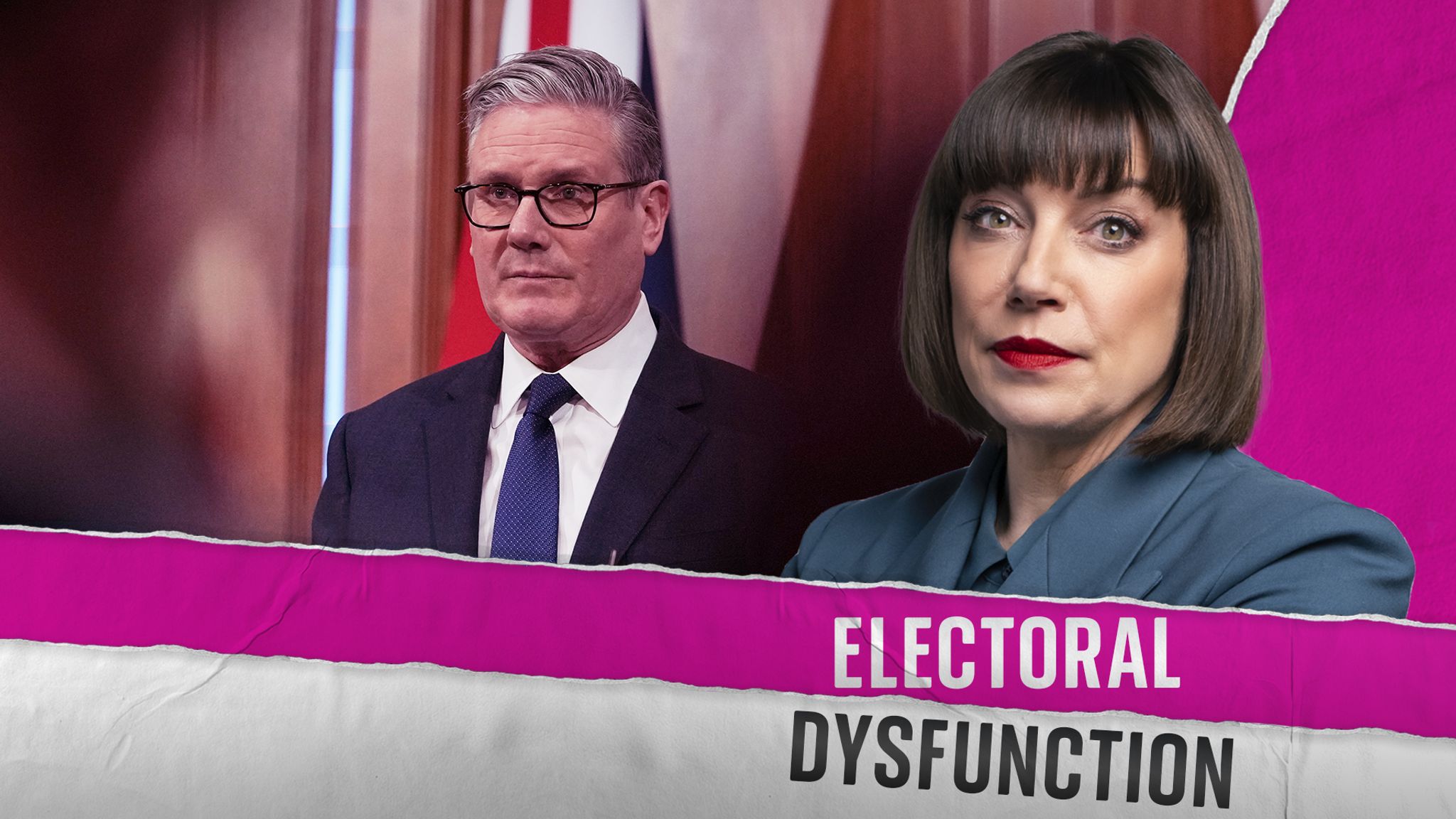
Speaking on the podcast Electoral Dysfunction, Baroness Harriet Harman criticized Starmer’s approach, suggesting that firing Robbins was an overreaction that escalated the crisis rather than containing it. She explained that while Robbins’ dismissal may have been justified, the manner of a summary sacking forced the issue into the public eye prematurely.
Harman argued that had Starmer chosen a more measured path—conducting thorough investigations first and then handling disciplinary actions quietly—the matter could have been managed internally without triggering a political firestorm.
“He wouldn’t have had to make a statement in the House of Commons,” Harman said. “We wouldn’t have had all this evidence coming out to the select committee if he hadn’t fired Olly Robbins so abruptly.”
She also labeled Mandelson’s appointment as “clearly the wrong and dangerous appointment for the UK to be making,” emphasizing the risks involved in placing someone with unresolved security vetting issues into such a sensitive diplomatic position.
Why This Scandal Matters
The fallout from this security clearance dispute goes beyond Mandelson’s personal appointment. It exposes deep vulnerabilities in how sensitive diplomatic roles are vetted and how senior officials communicate critical information up the chain of command.
For Sir Keir Starmer, the scandal has become a leadership headache. Calls for his resignation have intensified, coming not only from opposition party leaders but also from within his own party, including two Labour backbench MPs. The episode fuels broader questions about Starmer’s judgment and crisis management capability at a time when Labour is seeking to consolidate power and restore public trust.
The situation also highlights tension within the UK’s civil service and political leadership over transparency and accountability. Robbins’ defense rests on the established responsibility of senior officials to weigh security agency advice against political considerations, while Starmer’s critics argue that he should have been kept fully informed from the start.
What Happens Next?
Parliament’s Foreign Affairs Committee continues to probe the details of Mandelson’s vetting and Robbins’ dismissal. The inquiry aims to clarify procedural failures and ensure such controversies do not recur. Meanwhile, the Labour Party faces internal pressure to stabilize its leadership and present a united front.
For the UK government, the scandal serves as a cautionary tale about handling sensitive security matters and the importance of clear communication channels between civil servants and political leaders. It underscores the delicate balance between political appointments and national security imperatives.
Looking Ahead
Starmer’s decision to sack Olly Robbins has undeniably intensified the Mandelson vetting scandal, forcing a reckoning with how political appointments are vetted and managed. As investigations proceed, the episode will likely influence future protocols for security clearances and political accountability.
For Labour, the controversy is a test of leadership resilience amid rising internal and external pressures. How the party navigates this crisis could shape its trajectory ahead of upcoming elections and impact public confidence in its governance.
Full details of the ongoing investigations and their outcomes have yet to be released.