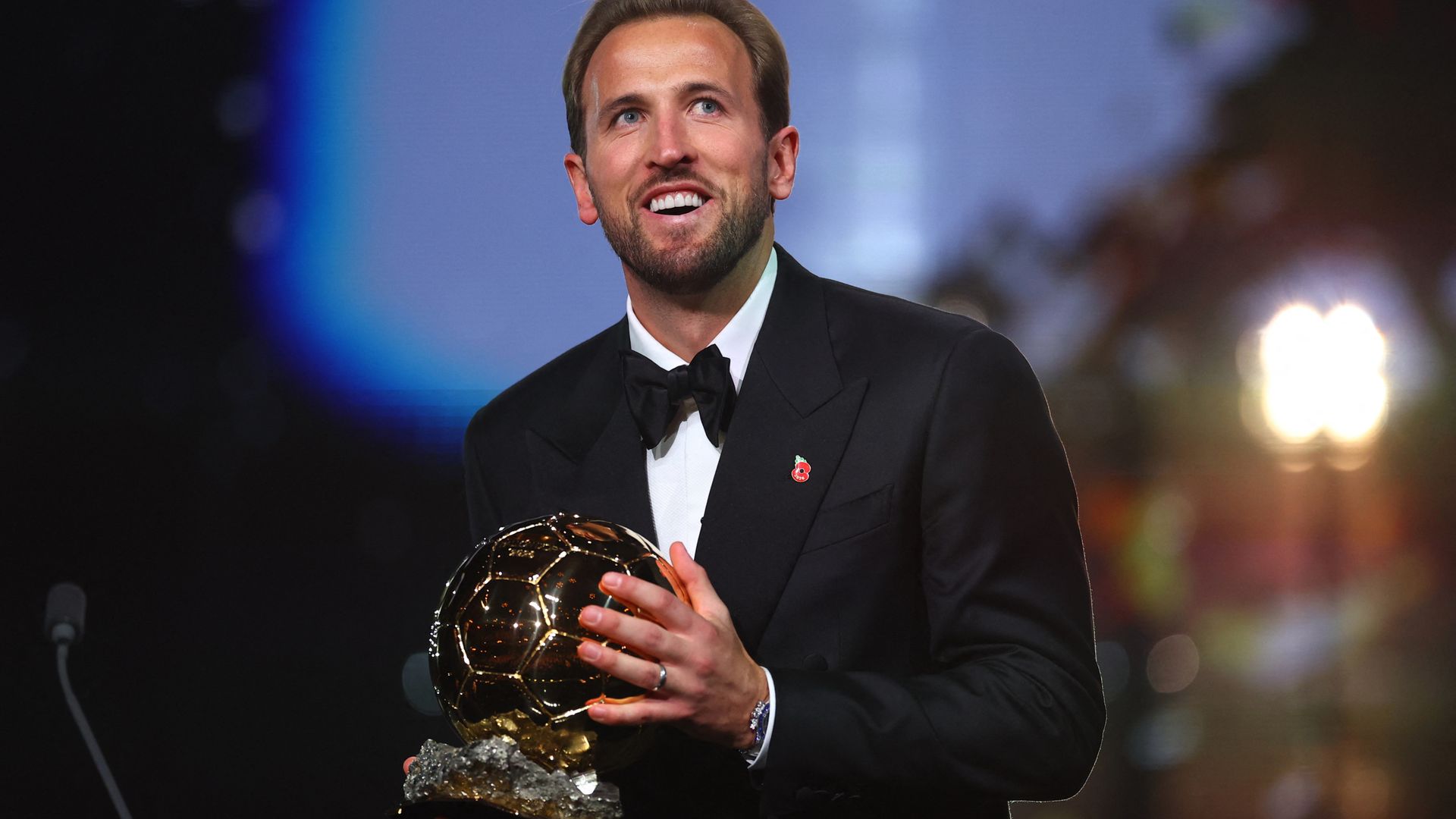
Sir Keir Starmer has made bold declarations about revitalizing the UK’s approach to Europe, but Brussels remains cautiously skeptical about the depth and scope of his plans. Despite a confident tone from the Labour leader, EU officials and diplomats express a weary cynicism regarding the potential for meaningful economic rapprochement post-Brexit.
Continuity in Foreign Policy: A Steady Hand on Ukraine and Beyond
Across European capitals, a clear consensus has emerged: whether Starmer remains prime minister or is replaced by leadership challengers in the coming weeks or months, the UK’s foreign and international policy is expected to maintain continuity. This stability centers particularly on the UK’s robust support for Ukraine amid ongoing conflict and its ambitions to lead a multinational maritime force safeguarding vital shipping lanes such as the Strait of Hormuz.
In conversations with EU officials, there is reassurance that the UK will continue to play a pivotal role in security and diplomatic efforts, especially regarding Iran’s evolving crisis. This consistency in foreign policy provides some comfort amid broader uncertainties about the UK’s economic relationship with the European Union.

Economic Relations: Brussels’ Weariness and Limited Progress
While Starmer has called for “a bigger response” on Europe in his recent statements, the EU’s reaction has been measured and, at times, tinged with skepticism. The phrase “incremental change won’t cut it” was emphasized during a speech where Starmer stressed the need for more ambitious action on growth, defense, energy, and European ties in 2024. Yet, the roadmap for such a transformation remains unclear.
Since Brexit, the EU has maintained an open door to closer ties with the UK, but only if London unequivocally chooses to pursue that path. So far, the Labour government’s negotiations have concentrated on a narrow set of sectors, primarily addressing post-Brexit regulatory hurdles. These include:
- A food and drink safety agreement, known as the SPS (Sanitary and Phytosanitary) measures.
- A carbon emissions trading agreement aimed at aligning environmental policies.
- A youth experience scheme intended to foster opportunities for young people.
These limited areas of cooperation reflect a cautious approach from both sides. The EU has expressed willingness to deepen ties but remains wary of overpromising, given the political complexities and lingering tensions since the UK’s departure from the bloc.
Youth Experience Scheme: A Symbolic Gesture or Genuine Opportunity?
Starmer has recently championed the youth experience scheme as a flagship initiative to help disadvantaged UK youth gain broader horizons through European engagement. However, this program’s origins reveal a more nuanced story. The scheme was initially a proposal from EU leaders, particularly driven by Germany’s insistence, not a UK initiative. In fact, the Starmer administration originally resisted the idea before ultimately embracing it as part of its European outreach.
This back-and-forth highlights the cautious and sometimes reactive nature of the Labour government’s approach to EU relations. While the scheme offers tangible benefits, it also underscores the limited scale of current cooperation efforts.
What This Means for UK-EU Relations Going Forward
The current landscape suggests that while Starmer’s rhetoric signals ambition, the practical steps toward rekindling the UK-EU relationship remain modest. Brussels is willing to engage, but only within pragmatic frameworks that respect the post-Brexit reality. For the UK, delivering on Starmer’s promise of a “bigger response” will require navigating entrenched political and regulatory challenges and committing to deeper, more comprehensive cooperation.
For British citizens and businesses, the stakes are high. Enhanced economic integration could ease trade friction, create new opportunities for young people, and bolster the UK’s standing on the global stage. Yet, without clear policy shifts and political will, these aspirations risk remaining aspirational rather than achievable.
As 2024 unfolds, all eyes will remain on Downing Street and Brussels to see if Starmer’s vision can translate into substantive progress or if the weary skepticism in the EU will prove justified.