

Keir Starmer, the UK Prime Minister, is widely regarded as a challenging figure for interviewers—deliberate, measured, and rarely revealing more than necessary. Yet, as he stepped onto the global stage at the recent G7 Summit, Starmer was fully prepared, carrying a carefully crafted message aimed at asserting the United Kingdom’s renewed international role.
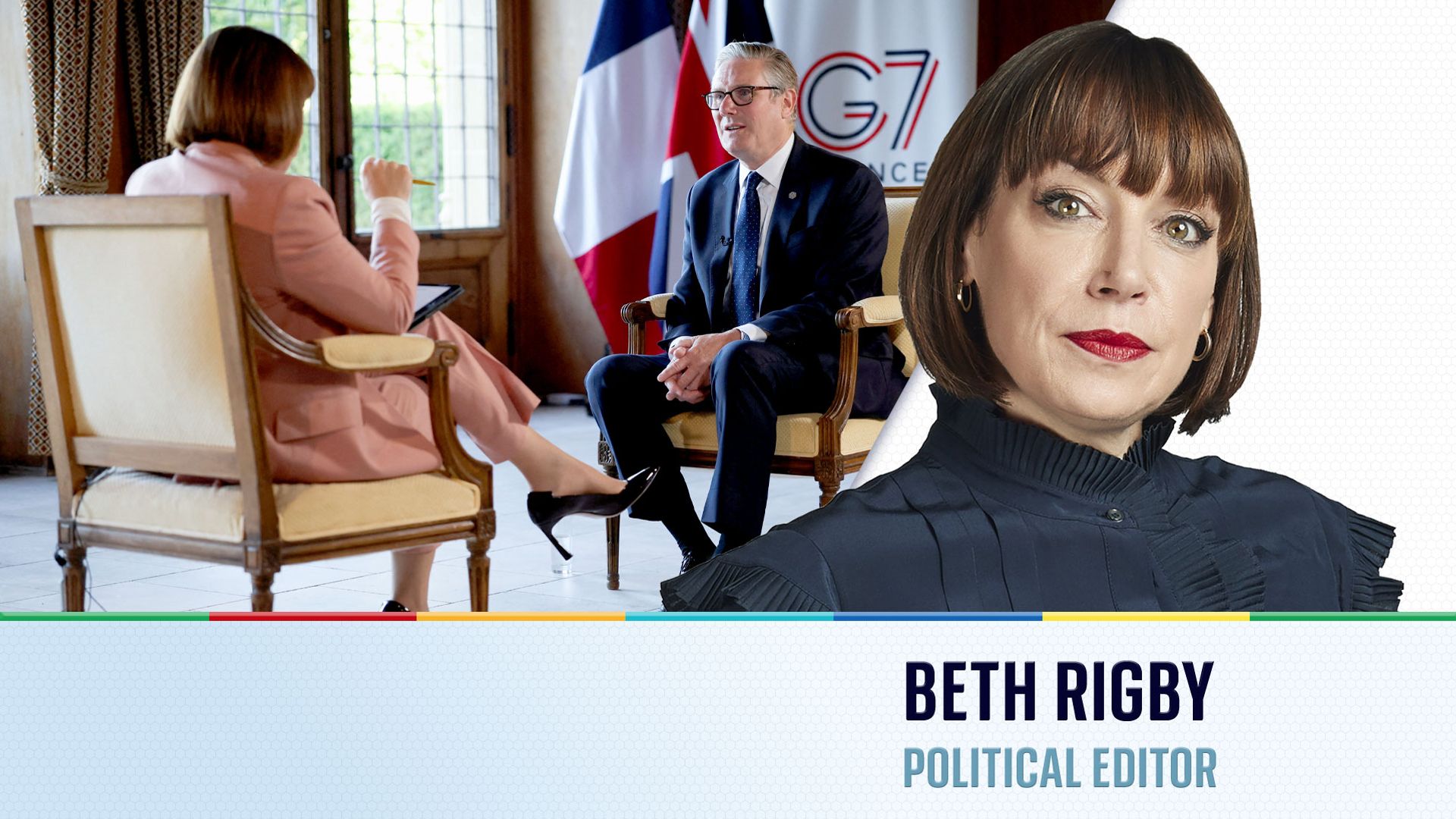
Why Keir Starmer is a Tough Interview Subject
Interviewing a sitting prime minister is inherently difficult, but Starmer’s style elevates that challenge. Known for his cautious and disciplined approach, he rarely offers spontaneous remarks or off-the-cuff opinions. Instead, Starmer meticulously controls the narrative, sticking to rehearsed talking points and steering conversations toward his political priorities.
This communication strategy reflects his broader leadership style. Since ascending to power, Starmer has positioned himself as a pragmatic, detail-focused leader who values consistency over charisma. His reluctance to engage in personal anecdotes or emotional appeals often frustrates journalists seeking headline-grabbing soundbites but ensures his message remains coherent and tightly aligned with government policy.
For interviewers, this means navigating a careful dance—probing enough to elicit meaningful responses without pushing Starmer into defensive or evasive territory. His adeptness at this balance makes him a formidable figure in political discourse.
Starmer’s Message at the G7: Reasserting the UK’s Global Influence
At the G7 Summit, Starmer’s presence was more than symbolic. The UK, emerging from the complexities of Brexit and the pandemic recovery, faces a pivotal moment on the world stage. Starmer’s message centered on collaboration, economic resilience, and security alliances, underscoring the UK’s commitment to being a reliable partner among the world’s leading democracies.
He emphasized the importance of unity among G7 nations in confronting global challenges such as climate change, supply chain disruptions, and geopolitical tensions. Starmer’s speeches and bilateral meetings reflected a strategic intent to rebuild and strengthen relationships strained in recent years.
Moreover, Starmer highlighted the UK’s readiness to contribute meaningfully to international efforts, especially around climate finance and digital innovation. These priorities align with his government’s broader agenda to modernize the economy and enhance national security through technological advancement.
What This Means for the UK and Its International Partnerships
Starmer’s approach at the summit signals a deliberate pivot towards restoring the UK’s influence within traditional alliances. After years of uncertainty, his leadership seeks to reassure both domestic and international audiences that the UK remains a steadfast player on the global stage.
This reassertion is crucial as the world grapples with shifting power dynamics. With tensions rising in regions such as Eastern Europe and the Indo-Pacific, the UK’s role within the G7 and NATO takes on heightened significance. Starmer’s focus on collective action reflects an understanding that national security and economic prosperity are increasingly interlinked with effective international cooperation.
Domestically, Starmer’s messaging also aims to bolster public confidence in the government’s foreign policy direction. By presenting a composed and authoritative image, he contrasts with the unpredictability that often characterized previous administrations, reassuring voters of a steady hand at the helm.
Looking Ahead: Starmer’s Leadership Under the Microscope
As Starmer continues to navigate the complexities of leadership, his communication tactics and policy priorities will remain under close scrutiny. The G7 Summit offered a glimpse of his vision for the UK’s place in the world—measured, strategic, and firmly rooted in collaboration.
For journalists and political analysts, the challenge will persist in decoding his carefully curated responses. For the public and international partners, the question is whether Starmer’s methodical approach will translate into tangible results that elevate the UK’s standing and address pressing global issues.
Ultimately, Keir Starmer’s tenure as prime minister will be defined not just by the words he chooses but by the outcomes his leadership produces on both the domestic front and the international arena.