

The senior equerry to King Charles III and Queen Camilla is preparing to step down from his prestigious role within the royal household. This decision marks a significant change in the close-knit team responsible for supporting the monarch and consort in their official engagements and daily duties.
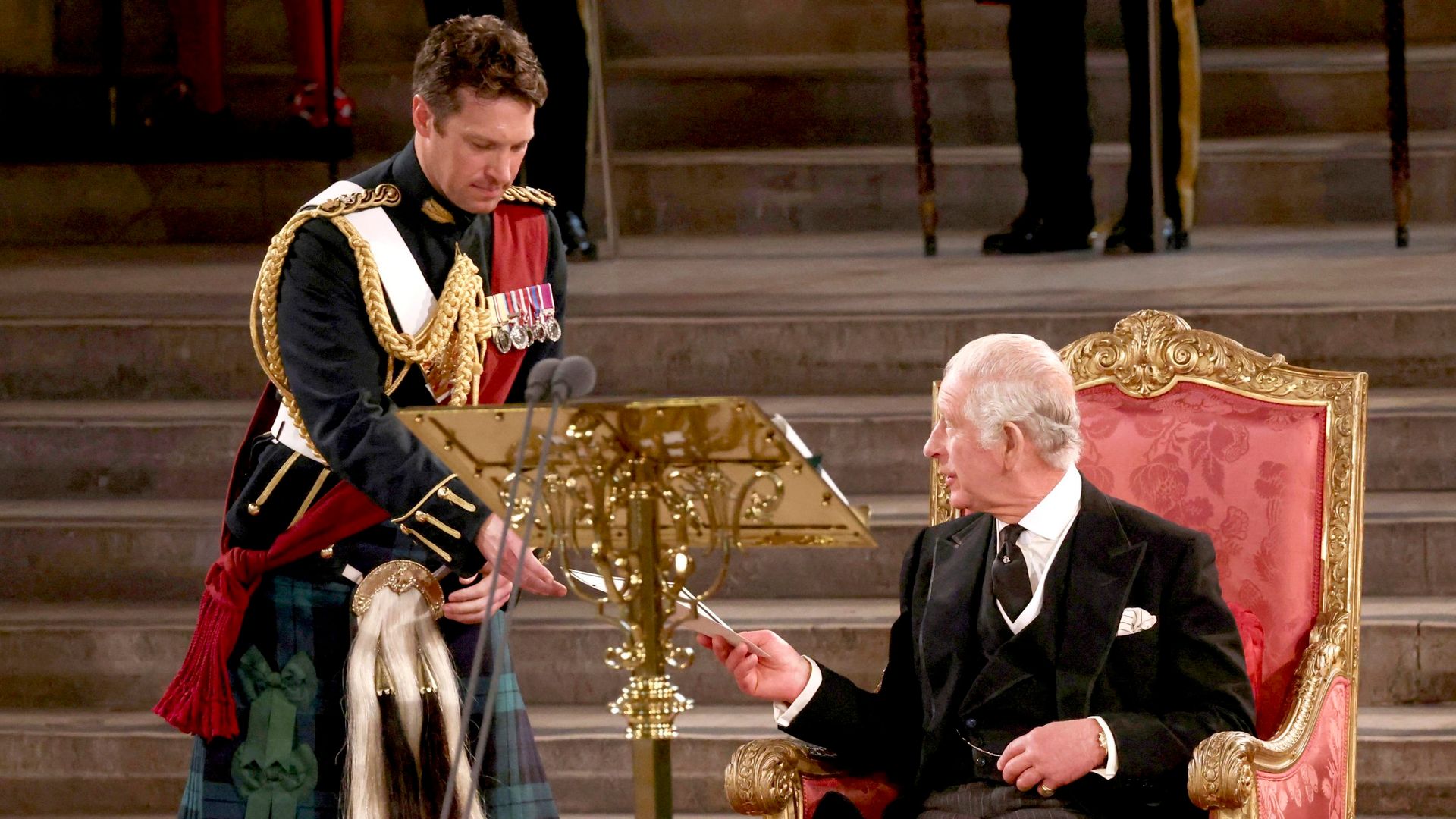
What Is the Role of a Senior Equerry?
The senior equerry holds a critical position within the British royal household, acting as a key aide and coordinator for the King and Queen. Traditionally, an equerry is a senior officer appointed to assist members of the royal family, often handling logistics, scheduling, and protocol during public appearances, official visits, and ceremonial events.
In the case of King Charles III and Queen Camilla, the senior equerry’s responsibilities extend beyond mere organization. This role demands a deep understanding of royal traditions, impeccable discretion, and the ability to navigate complex state and social functions. The equerry often serves as a trusted confidant and liaison between the monarchs and various branches of government, military, and charitable organizations.
Background on the Current Senior Equerry
While specific details regarding the senior equerry’s identity and tenure have not been disclosed publicly, individuals appointed to this role typically come from distinguished military backgrounds or have significant experience in public service. Their appointment reflects both their capability to manage high-pressure situations and their commitment to serving the Crown with loyalty and efficiency.
These senior equerries often work closely with other senior members of the royal household, including private secretaries and lord chamberlains, forming a vital support network that ensures the smooth functioning of royal duties. Their departure can signal a transitional period as new personnel step in to maintain continuity in royal affairs.
Why This Departure Matters
The senior equerry’s departure is more than a routine personnel change; it reflects the evolving nature of the royal household under King Charles III’s reign. As the monarch and consort continue to define their public roles and adapt to contemporary expectations, the support team surrounding them plays a crucial role in shaping their engagements and public image.
Changes in such key positions can influence the efficiency of royal operations and the way the monarchy interacts with government officials, the media, and the public. The appointment of a new senior equerry will likely involve careful consideration to ensure alignment with the King and Queen’s vision for their reign.
Moreover, the transition highlights the ongoing modernization efforts within the royal household, balancing centuries-old traditions with the demands of a 21st-century monarchy. The senior equerry’s exit may open opportunities for fresh perspectives and approaches to royal support and event management.
What Comes Next for the Royal Household?
The royal household will undoubtedly begin the process of appointing a successor to the senior equerry role promptly. This appointment will be pivotal in maintaining the momentum of King Charles III and Queen Camilla’s official duties and public engagements.
As the new senior equerry steps into the position, the royal couple can expect continued expert support in navigating the complex schedule of state visits, charitable functions, and ceremonial responsibilities. The role remains integral to upholding the dignity and smooth operation of the monarchy.
For the departing senior equerry, this transition may lead to new opportunities, possibly within public service or private endeavors, reflecting the high regard such a position commands.
Why It Matters to the Public
The royal household’s inner workings often remain behind the scenes, but changes in senior staff like the equerry can impact how effectively the monarchy engages with the public and the institutions it represents. The stability and professionalism of the royal support team reassure citizens and global observers that the monarchy remains a steadfast institution amid changing times.
Understanding these roles and their significance helps the public appreciate the complexity of supporting a modern monarchy and the dedication required from those serving in these capacities.
Looking Ahead
While the senior equerry’s departure marks the end of an era in one respect, it also signals continuity and renewal within the royal household. The monarchy’s ability to adapt and thrive depends heavily on the expertise and commitment of its staff, ensuring King Charles III and Queen Camilla can continue their work with the highest standards of service.
As more details emerge about the transition and the new appointment, observers will gain further insight into how the royal household is evolving to meet the demands of today’s world.