

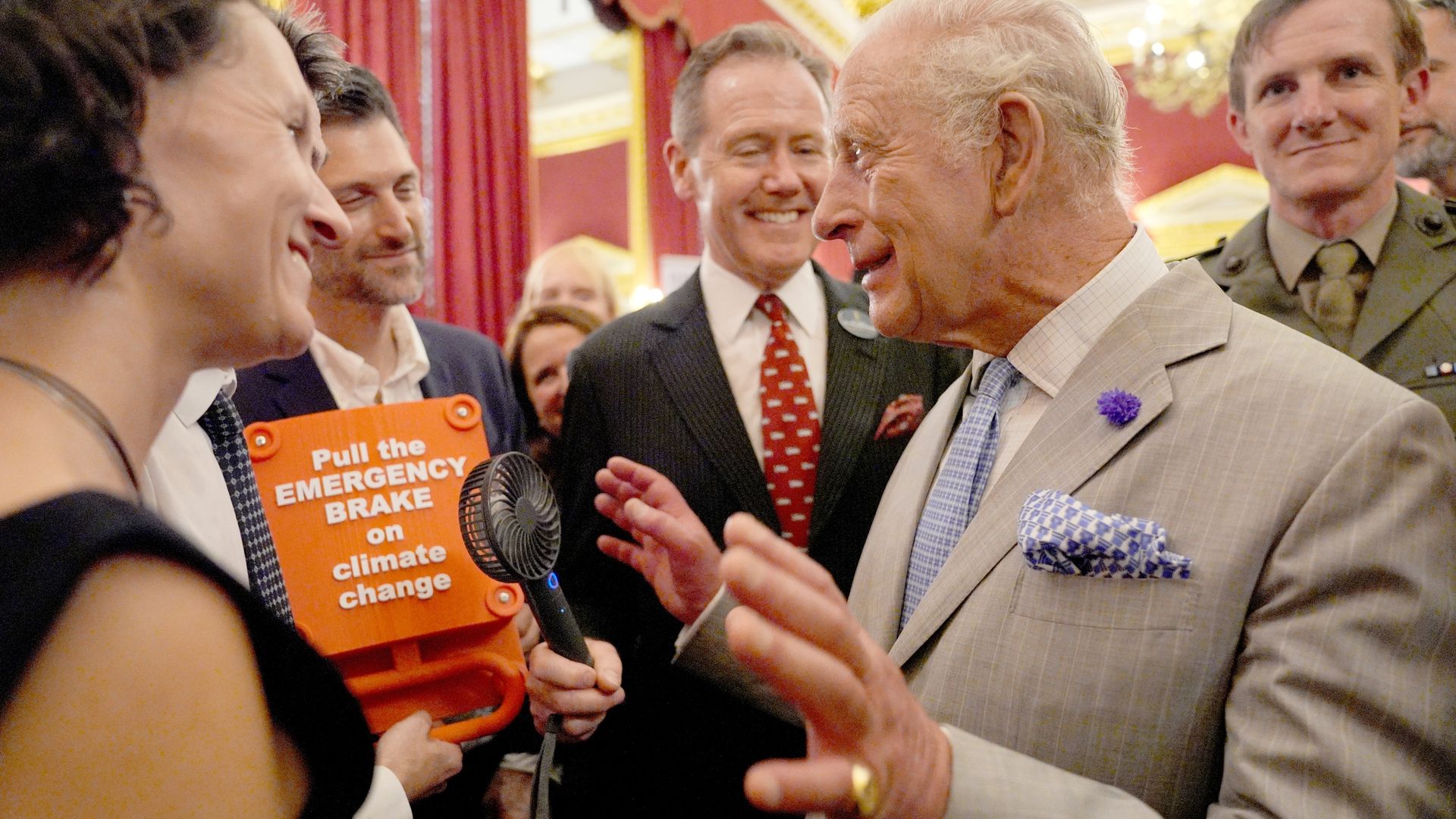
King Charles III took center stage at a high-profile environmental reception in London during Climate Action Week, coinciding with the hottest June day ever recorded in the United Kingdom. His presence underscored the urgent need for decisive measures against climate change as temperatures soared to unprecedented levels.
The Climate Reception: A Call to Action
The event, held in London on Wednesday, gathered leading figures from government, environmental organizations, and the private sector, all united by a common goal: accelerating efforts to combat climate change. King Charles addressed attendees, emphasizing the critical responsibility of leaders and citizens alike to respond effectively to the escalating climate crisis.
This reception served as a platform to highlight innovative policies and sustainable initiatives aimed at reducing carbon emissions and promoting renewable energy. Attendees discussed strategies to meet the UK’s ambitious targets for net-zero emissions, set for 2050, which demand immediate and sustained action across all sectors of society.
Context: The Hottest June Day on Record
Wednesday’s record-breaking temperatures provided a stark backdrop for the event. Meteorological data confirmed that the UK experienced its highest June temperatures since records began, signaling a worrying trend linked to global warming. Experts warn that such extreme heat events will become more frequent and severe without robust climate interventions.
The heat wave not only disrupted daily life but also served as a tangible example of the consequences of rising global temperatures. From increased risks of wildfires and droughts to threats against public health and infrastructure, the implications of this record-breaking heat are profound and far-reaching.
King Charles has long been an outspoken advocate for environmental stewardship, and his attendance during such a critical moment highlighted the urgency of addressing climate change not just as an abstract concept but as a pressing reality affecting communities nationwide.
Why This Moment Matters
The convergence of King Charles’s climate advocacy with the hottest June day ever recorded sends a powerful message: climate change is no longer a distant threat but an immediate challenge requiring bold leadership. The reception and the record temperatures together spotlight the imperative to accelerate climate action plans.
As the UK continues to implement its climate policies, events like this reception play a vital role in galvanizing public support and fostering collaboration among stakeholders. King Charles’s involvement lends significant weight to these efforts, inspiring greater commitment from policymakers and citizens alike.
Moreover, the record heat serves as a sobering reminder that time is running out to prevent the most catastrophic impacts of climate change. It reinforces the need for comprehensive strategies encompassing energy transition, conservation, innovation, and community resilience.
Looking Ahead: The Path Forward
The message from King Charles and the London climate reception is clear: urgent, coordinated action is essential to safeguard the planet’s future. This includes accelerating investments in clean energy, enhancing climate education, and strengthening international cooperation.
As climate action week continues, the focus remains on translating awareness into tangible outcomes. The record heat wave is a wake-up call to governments, businesses, and individuals to move beyond rhetoric and take meaningful steps toward sustainability.
King Charles’s leadership and the heightened public attention on climate issues during this historic heat event may well mark a turning point in the UK’s environmental trajectory. The challenge ahead is immense, but so is the opportunity to build a resilient, sustainable future.