Two influential Labour-affiliated groups connected to Wes Streeting, the Health Secretary, and Andy Burnham, Greater Manchester’s Mayor, have unveiled ambitious policy proposals that signal potential directions for Britain’s future under new leadership. These proposals, centered on sweeping tax reforms and targeted cost of living support, offer a glimpse of how the country might evolve if either politician were to succeed Keir Starmer as Labour leader and potentially prime minister.

Competing Visions from Labour Growth Group and Tribune Group
The Labour Growth Group, aligned closely with Wes Streeting, has released a policy document titled An Honest Day. This comprehensive plan calls for a strategic rise in capital gains tax to fund a 2p reduction in national insurance, aiming to ease the tax burden on working people. The document also advocates for expanding the powers of English mayors, granting them greater authority over tax and spending decisions, which could decentralize government control and empower local leadership.

Significantly, the Labour Growth Group’s proposals include the creation of a new Department of the Prime Minister, intended to streamline government operations and enhance executive coordination. The report controversially suggests allowing Thames Water, a major utility company, to fail, highlighting concerns over mismanagement and the need for accountability in public services.

On energy policy, the group calls for a shift in focus from purely expanding clean energy generation to addressing the affordability of clean power for households and businesses. This represents a notable departure from the previous climate-centered approach championed by Ed Miliband, emphasizing cost-effectiveness over volume in Britain’s transition to renewable energy.

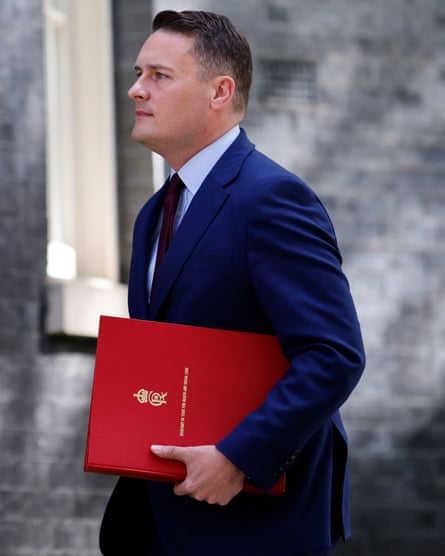
Chris Curtis, chair of the Labour Growth Group and a close ally of Streeting, co-authored the report. Curtis is among many Labour MPs who have recently called for Starmer’s resignation, underscoring the growing internal pressure within the party. The group’s proposals reportedly have also been shared with Andy Burnham, indicating an ongoing dialogue among key Labour figures.

The Tribune Group’s Alternative Policy Blueprint
Meanwhile, the Tribune group, associated with Andy Burnham, has launched its own set of policy essays published in the Renewal journal. Led by MPs Yuan Yang and Louise Haigh, the group proposes redefining the Treasury’s role by removing its responsibility for delivering economic growth. Haigh, a former Transport Secretary and Burnham ally, argues for reforming fiscal rules after the next election, provided current targets are met.

Haigh also proposes reducing council tax and abolishing stamp duty, replacing it with a new property tax model. This mirrors similar ideas pushed by Conservative leader Kemi Badenoch, who advocated abolishing stamp duty at a recent party conference. The Tribune group critiques Britain’s current economic framework, calling it “too weak, too uneven,” and overly reliant on asset inflation rather than productive investment.

Progressive Shifts in Broader Economic Policy Debates
Labour is not alone in reshaping economic policy discussions. Three prominent progressive think tanks—the Institute for Public Policy Research, the New Economics Foundation, and the Joseph Rowntree Foundation—are preparing to recommend rent caps to alleviate the cost of living crisis. While the government has previously dismissed rent controls, focusing instead on renter protections and housing supply, reports reveal Chancellor Rachel Reeves has contemplated a temporary freeze on private sector rents.

A left-wing policy analyst noted that ideas once considered politically unviable, like rent control, are gaining traction among a range of organisations, signaling a potential shift towards a more progressive economic agenda within the UK.
Implications for the Future of Labour and UK Policy
Amidst these policy debates, Prime Minister Keir Starmer prepares his second Queen’s Speech, expected to include legislation aimed at closer alignment with the European Union, tighter immigration controls, the introduction of the “Hillsborough law” to enhance cooperation with public inquiries, and reforms to the leasehold system. Despite uncertainty surrounding Starmer’s leadership, government officials assert the speech’s delivery remains on track.

These competing proposals from Labour-linked groups highlight deep ideological divides within the party and the broader political landscape. They also reflect urgent attempts to respond to Britain’s pressing economic challenges: stagnating growth, soaring living costs, and questions about government effectiveness.
What this means: The contrasting visions from the Labour Growth Group and Tribune group reveal a party grappling with its identity and strategy ahead of potential leadership changes. Their focus on tax reform, local empowerment, and cost of living support signals a willingness to embrace bold, sometimes controversial, measures to restore economic fairness and stimulate growth. How these ideas influence Labour’s platform—and whether they resonate with the wider electorate—will play a critical role in shaping Britain’s political and economic future.