

In the wake of a crushing blow to Labour’s local and regional influence, pressure mounts sharply on Sir Keir Starmer to step down as party leader. The loss of nearly 1,500 councillors across England, coupled with Labour losing control of the Welsh Senedd for the first time, has ignited calls from within the party ranks for a leadership change.
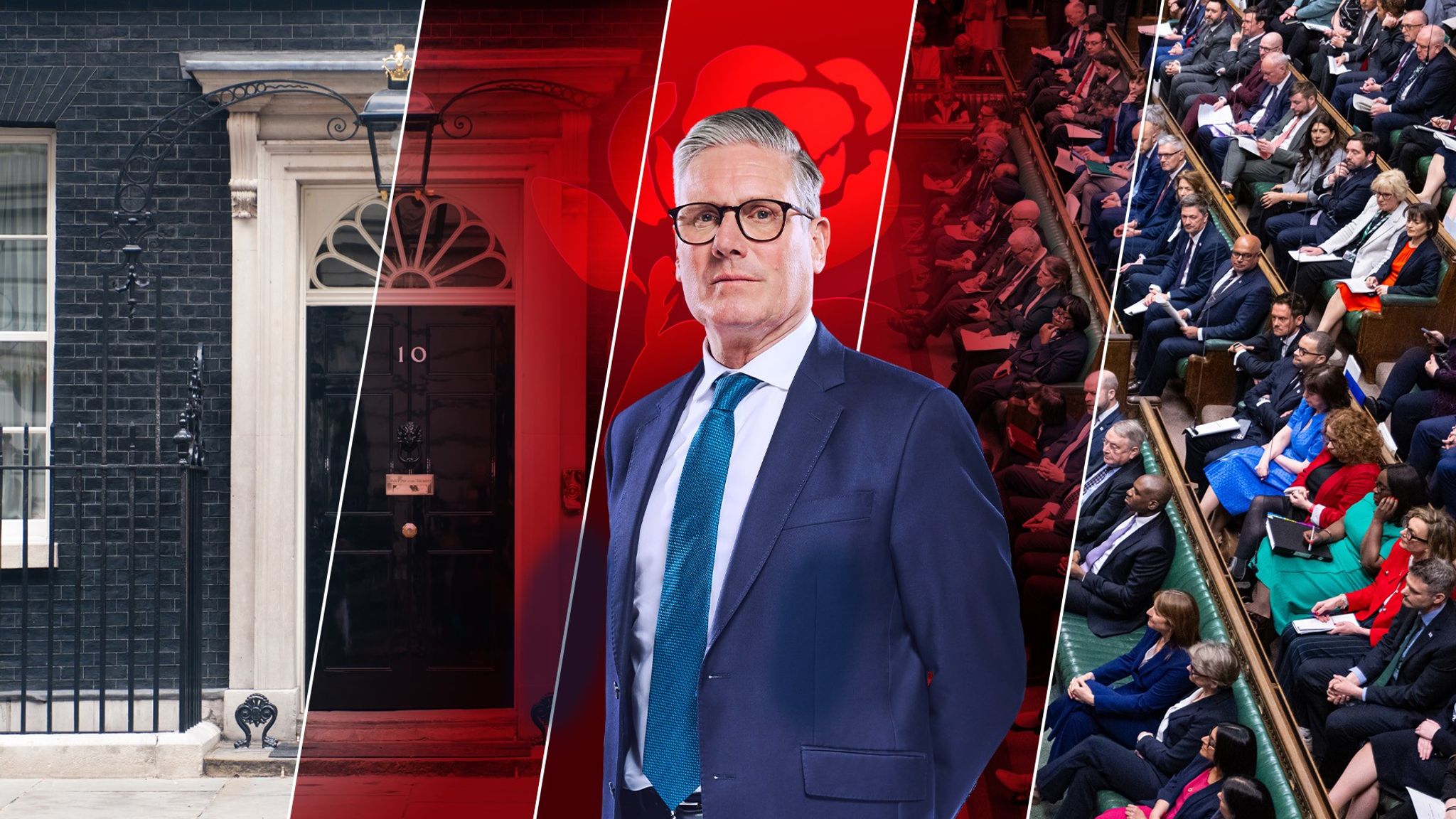
The Growing Call for Sir Keir Starmer’s Resignation
Two prominent campaigns advocating for Sir Keir’s departure have gained momentum following Labour’s disastrous election results. Catherine West, a lesser-known former minister, has publicly urged the Labour cabinet to convene and select a new leader to replace Sir Keir. Her call reflects a broader frustration among party members who see a leadership overhaul as essential for Labour’s revival.
Alongside West’s campaign, another vocal critic has emerged in Josh Simons, a former ally of Starmer and ex-Cabinet Office minister. Simons has demanded that Starmer announce a clear timetable for his exit. Notably, Simons once directed the Labour Together think tank, which played a crucial role in Starmer’s original leadership campaign. His turnaround signals deepening discontent among those once close to the prime minister.
Who Within Labour Is Pushing for Leadership Change?
So far, a growing but still limited number of Labour MPs have openly called for Starmer to resign. For any leadership challenger to mount a credible bid, they must secure nominations from at least 20% of Labour MPs—that means reaching a threshold of approximately 80 MPs. This requirement narrows the field significantly and excludes prominent figures outside Parliament, such as Greater Manchester Mayor Andy Burnham.
However, Sky News has revealed that at least one Labour MP is willing to vacate their seat to trigger a by-election, enabling a potential challenger to enter Parliament and contest the leadership. This development signals a strategic intensification within the party’s internal opposition to Starmer.
Even before the recent elections, some Labour MPs had expressed dissatisfaction with Starmer’s leadership. That faction has expanded over the weekend as the party reckons with the electoral damage. Many argue that Starmer must take full responsibility for the poor polling performance and step aside to prevent a worst-case scenario: a government led by the Reform UK party. The stakes are high as Labour’s future direction hangs in the balance.
Starmer’s Response and the Party’s Next Steps
Despite the mounting criticism, Sir Keir Starmer remains defiant. He has vowed to continue leading, emphasizing his determination to “face up to the big challenges” confronting the UK. Starmer’s government will soon outline its legislative priorities during the upcoming King’s Speech, a critical moment that will showcase the administration’s agenda and vision.
Meanwhile, Angela Rayner, Labour’s former deputy prime minister, issued a pointed statement warning that Starmer must now “meet the moment” or risk the party’s decline. She described this period as “Labour’s last chance” to recalibrate its strategy and reconnect with voters. Rayner also criticized the decision to block Andy Burnham from contesting a February by-election, calling it “a mistake.” She advocated for bringing all of the party’s strongest figures into Parliament to bolster Labour’s electoral prospects.
Why This Moment Matters for Labour
The internal strife within Labour follows a series of electoral setbacks that have raised doubts about the party’s ability to challenge the ruling government effectively. Losing control of the Welsh Senedd for the first time represents a historic defeat, while the dramatic drop in local councillors weakens Labour’s grassroots influence across England.
Leadership instability risks further fracturing the party, but it could also open the door for renewal if a new leader can unify Labour’s diverse factions. The tension between loyalty to Starmer and the urgency for change highlights the party’s broader struggle to find a message and vision that resonates with voters amid a turbulent political landscape.
As next week’s King’s Speech approaches, Labour’s future direction remains uncertain. Whether Starmer can regain confidence within his party and the electorate, or whether Labour will pivot to new leadership, will significantly shape the UK’s political trajectory in the coming years.
Full details about potential challengers and leadership shifts have yet to be confirmed.