

The Labour Party faces an unprecedented crisis after a devastating series of election defeats that have shaken its very foundations. Losing nearly 1,500 councillors in England and surrendering control of the Welsh Senedd for the first time ever, Labour is grappling with a profound loss of public support. These crushing results have sparked fierce internal backlash, with growing numbers of party members and MPs demanding that Prime Minister Sir Keir Starmer resign immediately. The party’s future now hangs in the balance as calls for leadership change intensify.
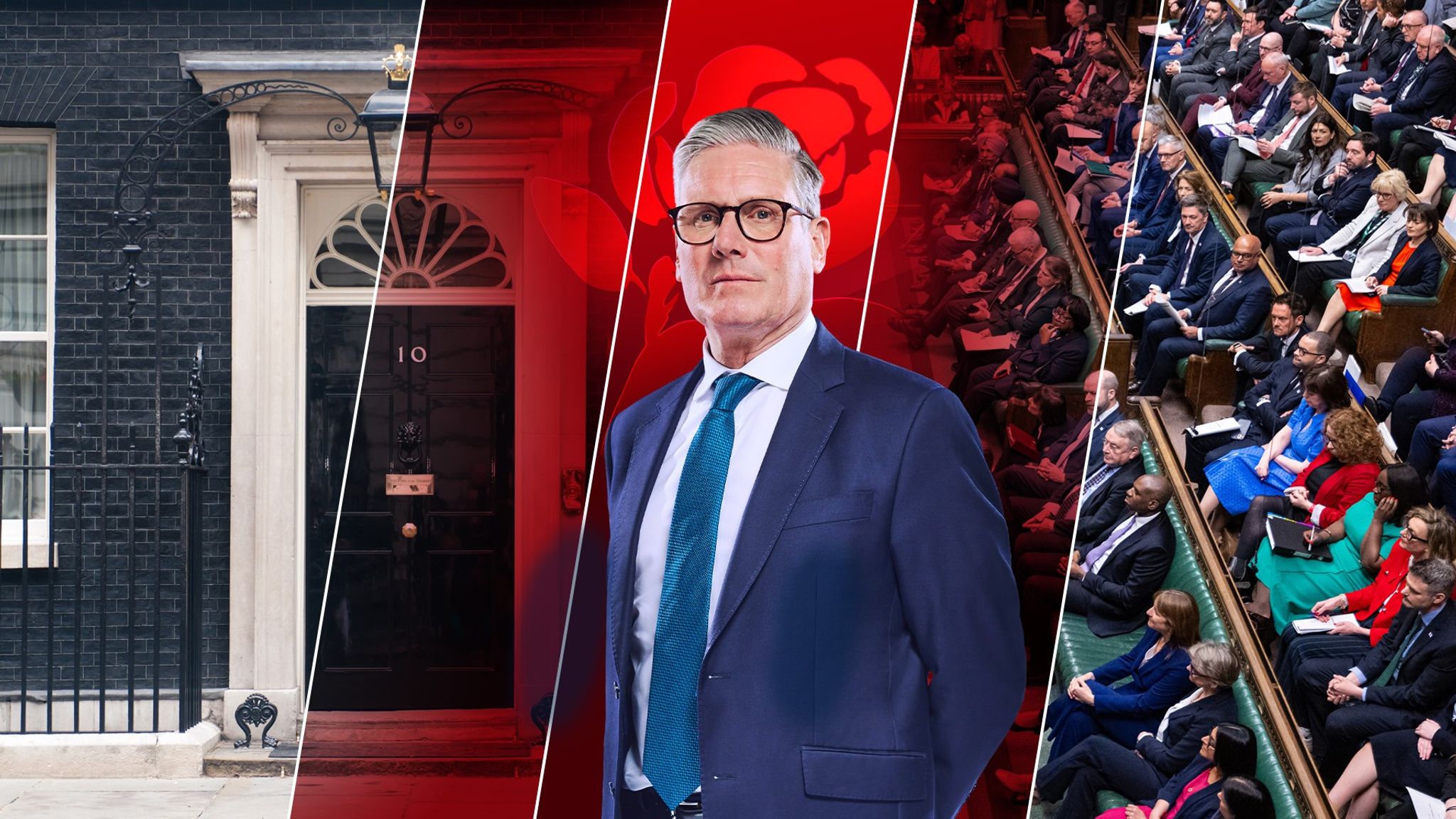
Mounting Pressure from Within the Labour Party
Behind closed doors and increasingly in public, the pressure on Sir Keir Starmer to step down is escalating rapidly. Two significant campaigns have emerged, each pushing for a clear path to new leadership. Catherine West, a former minister who has not traditionally been in the spotlight, has taken a bold stance. She is urging the party’s cabinet to come together urgently to select a new leader capable of uniting and revitalizing Labour ahead of future elections.
At the same time, Josh Simons, once a close ally of Starmer and former director of the influential Labour Together think tank, which played a pivotal role in propelling Starmer to power, has publicly called for the Prime Minister to announce a concrete timetable for his departure. Simons’ shift from supporter to critic signals deep disillusionment even among those who helped build Starmer’s leadership platform.
Labour MPs Rallying Behind Leadership Change
Several Labour MPs have now voiced their dissatisfaction openly, breaking ranks with the leadership. The party’s rules require any leadership challenger to secure nominations from at least 20% of Labour MPs, amounting to roughly 80 endorsements at present. This threshold remains a significant hurdle but the swelling dissent suggests it may soon be met.
Notably, only sitting Members of Parliament can stand as challengers, which excludes high-profile figures outside Parliament such as Greater Manchester Mayor Andy Burnham. However, Sky News has confirmed that at least one MP is prepared to resign their seat to trigger a by-election, potentially opening the door for Burnham or other prominent candidates to contest and reinvigorate the party’s leadership options.
Growing Dissent After a Crushing Election Defeat
Even before the recent election results, a vocal faction of Labour MPs had been pressing for Sir Keir Starmer to resign. The electoral losses have only amplified these demands, expanding the group of critics within the party. Many argue that Starmer must take full responsibility for Labour’s poor performance and voluntarily step aside to allow fresh leadership to emerge.
This faction warns that failure to act decisively risks handing further advantage to the ruling Conservative “Reform government,” which could consolidate power and push through policies Labour fundamentally opposes. The stakes have never been higher, and the internal debate has become increasingly urgent.
Key Figures Calling for Starmer’s Resignation
- Catherine West: Former minister advocating for immediate leadership change
- Josh Simons: Ex-ally demanding a clear departure timetable
Starmer’s Response and the Road Ahead
Despite the mounting internal revolt, Sir Keir Starmer remains resolute in Downing Street, determined to confront the UK’s pressing economic and social challenges. The upcoming King’s Speech will present his government’s legislative agenda and serve as a critical test of his ability to regain momentum and unify Labour members.
The internal party debate has been further intensified by comments from former Deputy Prime Minister Angela Rayner, who issued a pointed statement urging Starmer to “meet the moment.” Rayner emphasized that this might be Labour’s “last chance” to recalibrate its strategy and reconnect with voters. She also criticized the leadership’s refusal to allow Andy Burnham to contest a February by-election, calling it a strategic misstep that deprived the party of some of its “best players” in Parliament.
Why This Moment Matters
The Labour Party stands at a crossroads. The election losses have exposed deep vulnerabilities in its leadership and electoral strategy. For a party that once dominated British politics, losing thousands of council seats and control of the Welsh Senedd represents not just a tactical setback but a fundamental challenge to its identity and future viability.
Leadership stability is crucial in times of crisis, but so is adaptability. The growing chorus demanding Sir Keir Starmer’s resignation reflects widespread concern that the current leadership has failed to inspire confidence both within the party and among the electorate. How Labour navigates this turbulent moment will shape its ability to mount a credible opposition and potentially reclaim power in future elections.
As the party approaches the King’s Speech and subsequent political milestones, Labour’s internal dynamics will be under intense scrutiny. Whether Starmer can consolidate support and present a compelling vision for the future, or whether the calls for his departure will culminate in a leadership contest, remains to be seen. What is clear is that the Labour Party’s next steps will resonate far beyond its own ranks, influencing the broader political landscape in the United Kingdom.