

The leadership of Prime Minister Sir Keir Starmer teeters on the edge as Labour grapples with internal revolt and mounting instability. Behind the scenes, many MPs watch in shock as the party’s cohesion unravels, forced to defend a crisis they would prefer to avoid altogether.
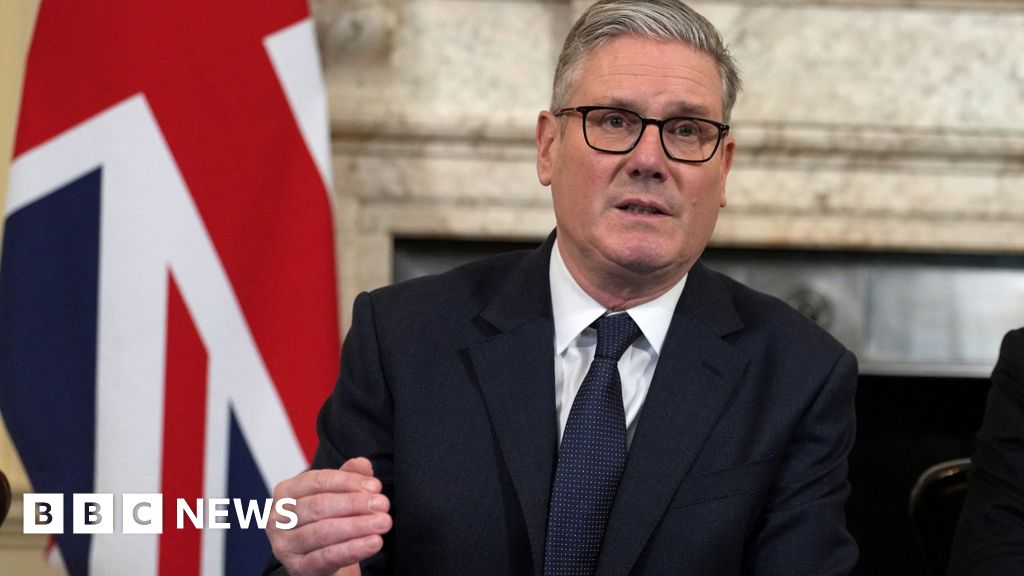
Labour MPs Grapple with Party Implosion
Within Labour’s ranks, unease is palpable. Numerous MPs express dismay at the chaotic developments unfolding within their party. One insider described the mood as “slightly aghast,” highlighting the clash between urgent national issues and the party’s internal strife.
“With a war ongoing, an economy under strain from international tensions with Iran, and volatile market gilt movements, stability is a commodity you give up at your peril,” the MP warned. This sentiment underscores the broader concern that the party’s infighting risks undermining its ability to effectively govern or present a credible alternative to the government.
Such worries resonate beyond mere political calculation. The country faces complex challenges requiring steady leadership—a quality threatened by the current leadership turmoil. For many Labour MPs, the ongoing discord represents a bitter distraction from addressing pressing national problems.
Starmer’s Determined Stance Amid Growing Opposition
Despite the swelling dissent, Prime Minister Starmer remains resolute in his decision to persist. Conversations with those close to him reveal his conviction that stepping down would plunge the party into a damaging leadership contest, prolonging uncertainty and fracturing Labour further.
Starmer’s core argument centers on the risk that a drawn-out leadership battle would produce a successor lacking a clear democratic mandate—unlike himself, who ascended to leadership through a general election victory. “A very questionable mandate” is how a trusted ally described this potential outcome, underscoring Starmer’s fear that Labour could emerge weaker and more divided.
Yet the reality Starmer confronts is grim. Both political arithmetic and party sentiment have turned increasingly unfavorable. A cabinet insider admitted, “It’s clearly not good,” reflecting the growing consensus that the leadership crisis is eroding Labour’s standing and cohesion.
Factionalism and Blame Threaten Labour’s Unity
The internal strife has ignited bitter rivalries within the Labour movement. Leadership camps have begun briefing against one another, each side eager to assign blame for the party’s current predicament. This escalating blame game deepens divisions and complicates efforts to restore unity.
Labour’s leadership now faces the most challenging and painful moments as they navigate a series of fraught meetings and difficult decisions. The infighting raises critical questions about the party’s direction and capacity to present a united front ahead of forthcoming political battles.
For Sir Keir Starmer, these are defining days. The decisions made now could determine not only his political fate but also the Labour Party’s prospects in an increasingly volatile political landscape.
Why This Matters
The unfolding crisis within Labour carries implications far beyond party politics. At a time when the UK confronts geopolitical tensions, economic instability, and social challenges, fractured leadership undermines public confidence and threatens effective governance.
Labour’s internal discord risks distracting from these urgent national priorities, potentially weakening the opposition’s ability to hold the government accountable or offer a credible alternative. For voters and political observers alike, the party’s struggles signal a period of uncertainty with consequences for the wider political system.
As Labour wrestles with its future, the nation watches closely. Whether Starmer can navigate this storm and restore party unity will shape the trajectory of UK politics in the months and years ahead.
Full details have not yet been released.