

Bev Craig has decisively won the Greater Manchester mayoralty, stepping into the role left vacant by Andy Burnham just last month. Despite the clear victory, the election results reveal underlying challenges for Labour in the region, signaling complex political dynamics ahead.
What Happened: A Comfortable Win for Bev Craig
In a contest that many expected to be competitive, Labour’s candidate Bev Craig secured the mayoral seat with ease. This election was particularly significant as it followed the departure of Andy Burnham, a prominent and well-regarded figure who had held the position since its inception.
Craig’s campaign focused on continuing Burnham’s legacy, emphasizing investment in public services, economic recovery, and social equality. Voters responded positively enough to grant her a comfortable margin of victory, reinforcing Labour’s longstanding influence in Greater Manchester.
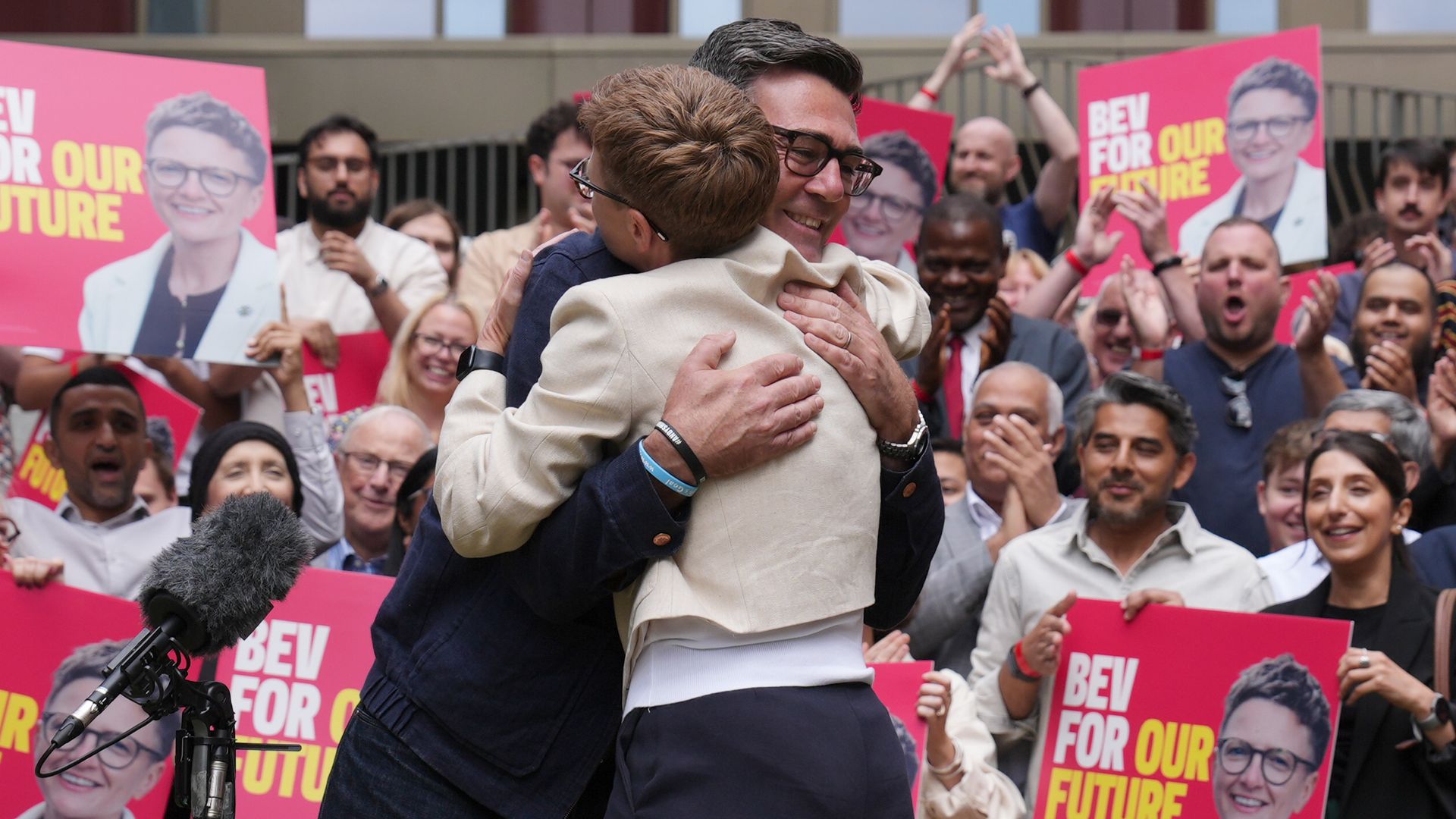
However, while Bev Craig’s win appears robust on the surface, the election numbers suggest a more nuanced reality. Labour’s vote share, although sufficient for victory, reflected a dip compared to previous elections, indicating that the party’s grip on the region may be loosening in some areas.
Why the Numbers Matter: Labour’s Challenges in Greater Manchester
Greater Manchester has traditionally been a Labour stronghold, with the party deeply embedded in local communities and governance structures. Andy Burnham’s tenure as mayor was marked by strong public approval, bolstering Labour’s position. Yet, recent shifts in voter behavior point to emerging fractures.
The reduced majority for Bev Craig hints at growing dissatisfaction or shifting priorities among constituents. Factors contributing to this include national political controversies affecting Labour’s image, economic pressures from inflation and cost of living increases, and local concerns over housing and transport infrastructure.
Moreover, opposition parties gained ground in several council districts, suggesting that while Labour retains control of the mayoralty, its dominance in the broader regional political landscape is under strain. These trends could influence future local and national elections, as voter allegiances evolve.
What Comes Next: Implications for Greater Manchester and Labour
Bev Craig inherits a complex political environment. She must balance the expectations set by her predecessor with the urgent need to address the issues causing voter unease. Economic recovery post-pandemic remains a priority, alongside tackling inequality and improving public services.
For Labour, this election serves as a critical indicator. Maintaining voter trust in Greater Manchester will require renewed engagement with communities and clear policy responses to local challenges. The party’s ability to adapt its messaging and priorities could determine its future success in this pivotal region.
Greater Manchester itself faces significant challenges, including managing urban development, improving transport links, and addressing social disparities across its diverse boroughs. The mayor’s office plays a key role in coordinating efforts across local councils, businesses, and community groups to foster inclusive growth.
As Bev Craig settles into her new role, all eyes will be on how she navigates these complex demands and whether Labour can consolidate its position amid changing political tides.
Looking Ahead: A Test of Leadership and Labour’s Regional Strength
Bev Craig’s victory secures Labour’s hold on the Greater Manchester mayoralty, but the election numbers serve as a sober reminder that political landscapes are shifting. The party must confront these challenges head-on to sustain its influence.
The mayor’s leadership will be pivotal in shaping Greater Manchester’s future trajectory, impacting economic vitality, social cohesion, and the quality of life for millions of residents. Effective governance and responsiveness to voter concerns will be essential to restore confidence and strengthen Labour’s position in this key urban hub.
Ultimately, while the win was comfortable, the underlying electoral signals underline the importance of proactive, inclusive leadership to navigate the evolving political and social terrain in Greater Manchester.