Labour’s economic strategy faces intense scrutiny as a prominent faction within the party calls for urgent renewal to avoid mere “better management of decline” ahead of the next general election. This growing chorus of voices highlights deep concerns about the party’s direction under Keir Starmer and urges a radical shift in policy to reclaim voter trust.

What Happened: Tribune Group Pushes for Economic Renewal
A leading group of soft-left Labour MPs, aligned with the influential Tribune faction, recently published a collection of essays outlining bold proposals aimed at reviving the party’s economic vision. The series, introduced by former cabinet minister Louise Haigh and Treasury committee member Yuan Yang, directly challenges the status quo and implicitly questions Starmer’s leadership.

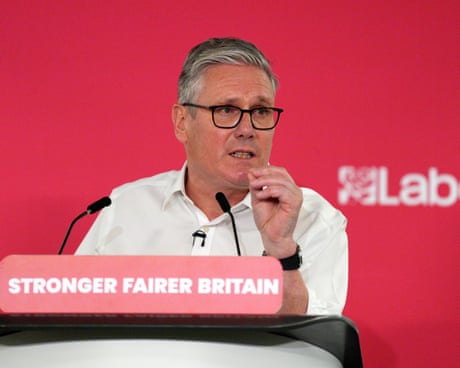
In a pointed foreword, the MPs emphasize that their essays are “an invitation to challenge assumptions, test ideas and help build a broader coalition for economic renewal.” They warn that the current economic approach “is no longer defensible” and stress that politics must deliver more than incremental improvements or “better management of decline” to regain public confidence.

This move comes amid mounting pressure on Starmer from within Labour’s ranks following recent electoral defeats across Britain. Several MPs sympathetic to rival factions and even those linked to the Prime Minister’s opponents have started publicly advocating for a new economic direction, increasing speculation about leadership challenges.

Proposed Policy Shifts: Tax Reform, Investment, and Cost of Living
Louise Haigh, who resigned early in Starmer’s administration after revelations about a fraud conviction related to a missing work phone, has emerged as a key figure on Labour’s left wing. She is among the first senior voices to openly call for Starmer to step down. In her essay, Haigh proposes significant reforms to Labour’s fiscal framework.

Haigh argues for replacing Rachel Reeves’s existing fiscal rules with targets focusing on reducing national debt over a longer horizon—10 years instead of five—to allow greater flexibility for public investment. However, she conditions this shift on balancing day-to-day government spending with tax revenues to reassure bond market investors wary of increased borrowing and a perceived policy leftward drift.

Her tax reform agenda includes scrapping stamp duty in favor of a proportional property tax and updated council tax policies. She also advocates raising capital gains tax rates and restructuring the Treasury by transferring budget-setting authority to the Prime Minister’s office while transforming the Treasury into a dedicated growth ministry.

Meanwhile, Yuan Yang calls for a comprehensive overhaul of cost of living support, particularly in light of the ongoing geopolitical tensions stemming from the Iran war. Yang proposes a free minimum energy guarantee, inspired by Austria’s system, to alleviate household energy costs. Additional measures include cutting green and social levies on energy bills and introducing free bus travel for under-25s and universal credit recipients.
Why It Matters: Leadership Uncertainty and Party Direction
The timing of these proposals coincides with rising unease within Labour about its leadership and future strategy. Over 70 Labour MPs, including Yang, have publicly urged Starmer to commit to a clear timetable for his departure. Rumors swirl around potential leadership contenders such as Health Secretary Wes Streeting and Greater Manchester Mayor Andy Burnham, who is seeking parliamentary entry to mount a leadership bid.

The essay collection, published in the Renewal journal overseen by the progressive think tank Compass, represents a concerted effort by Tribune MPs to prioritize “ideas not individuals.” Compass, led by Neal Lawson—a known Burnham supporter—has amplified calls for a fresh economic direction within Labour.
Yuan Yang, who belongs to both Tribune and the Labour Growth Group (formerly seen as Starmer loyalists), highlighted the growing disconnect between Labour’s economic policies and the concerns of their constituents: “Our constituents are clearly dissatisfied with the economic outcomes. It is time to dig into the reasons behind that and rethink the whole structure of the economy.”
Looking Ahead: Labour’s Economic Crossroads
This debate marks a critical juncture for Labour as it grapples with defining its economic identity amid leadership uncertainty and mounting voter dissatisfaction. The party’s ability to articulate and implement a bold, coherent economic vision could prove decisive in reversing recent electoral losses and restoring public trust.
Whether Labour embraces these calls for higher taxes on wealth, expanded public investment, and revamped social support or continues with incremental adjustments under Starmer remains to be seen. What is clear is that the party faces intense pressure from within to deliver transformative policies that go beyond simply managing decline.
As the next general election approaches, Labour’s stance on economic renewal will shape not only its political fortunes but also the broader debate on Britain’s economic future.