

For over 100 years, the **Labour Party** and **Wales** forged an unbreakable political alliance, rooted deeply in the industrial valleys and mining communities that defined the nation’s identity. That powerful connection, once embodied by iconic leaders like Keir Hardie, Aneurin Bevan, Michael Foot, James Callaghan, and Neil Kinnock, shattered dramatically in the latest elections. The results signal a seismic shift in Welsh politics, marking the end of an era where “Labour Wales” was a near-synonym for the country itself.
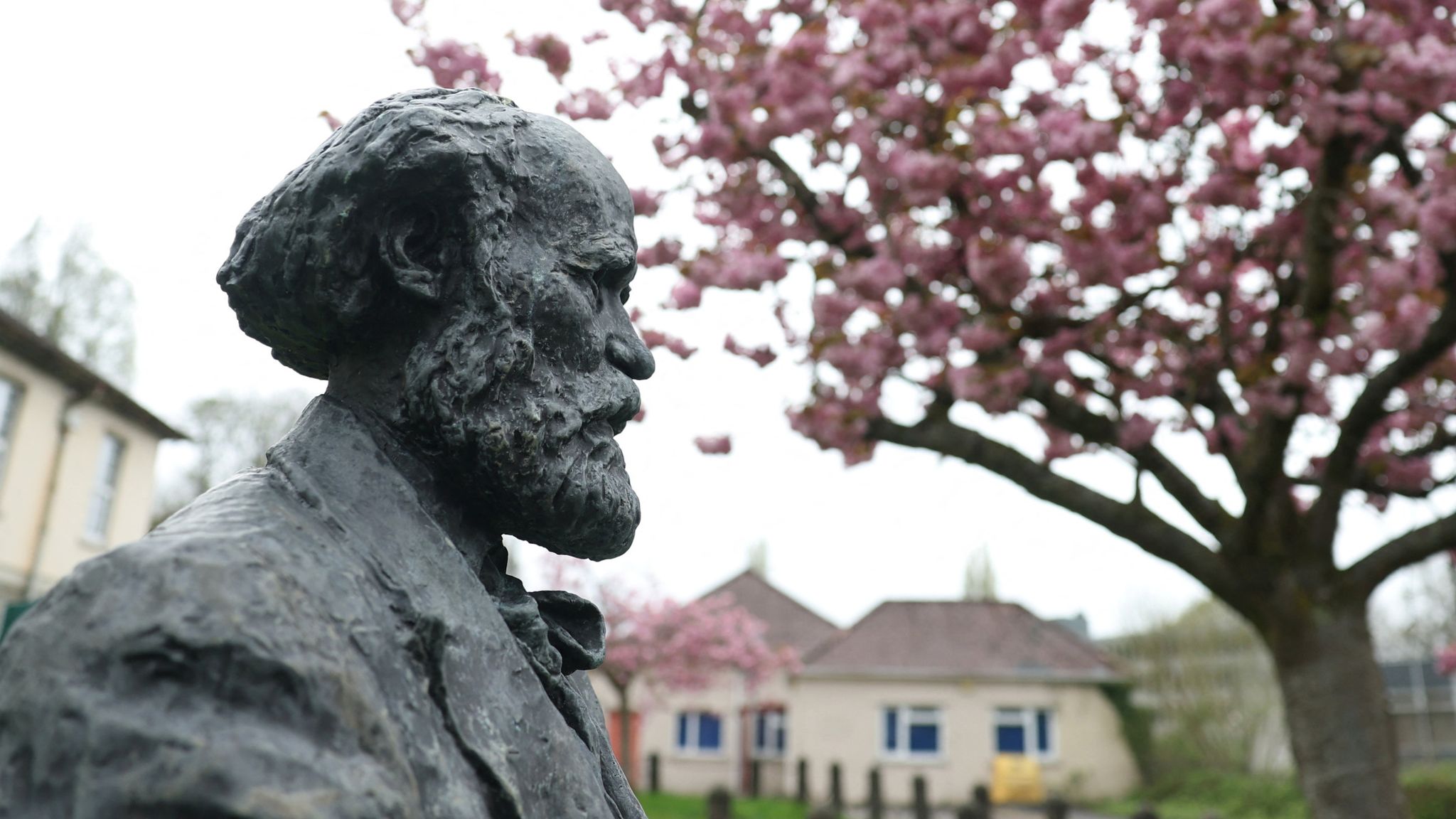
The Shattering of Labour’s Welsh Heartland
Friday’s election results delivered a devastating blow to Labour’s traditional strongholds in South Wales. Voter turnout surged to record levels, but instead of reaffirming Labour’s dominance, the electorate embraced alternatives with unprecedented enthusiasm. Plaid Cymru surged to become the largest party, claiming 43 seats, while Reform UK made a striking breakthrough with 34 seats. In stark contrast, Labour’s tally plummeted to just nine seats across the entire region.
The collapse was most pronounced in the mining valleys once synonymous with Labour’s power. Labour failed to secure a single seat in pivotal constituencies such as Blaenau Gwent, Caerphilly, and Rhymni—areas that proudly sent stalwarts like Bevan and Foot to Westminster for decades. This unprecedented loss underscores a profound realignment in Welsh political loyalties.
For generations, the phrase “Labour Wales” required little explanation; the party’s identity was woven into the nation’s fabric. Now, that identity has been dramatically rewritten, leaving Labour grappling with the loss of its historical base.
Labour’s Reckoning and Leadership Crisis
In the wake of this historic defeat, First Minister Eluned Morgan delivered a sobering assessment of Labour’s future in Wales. She described the results as “catastrophic,” emphasizing that the party must undertake a hard and honest evaluation of its direction.
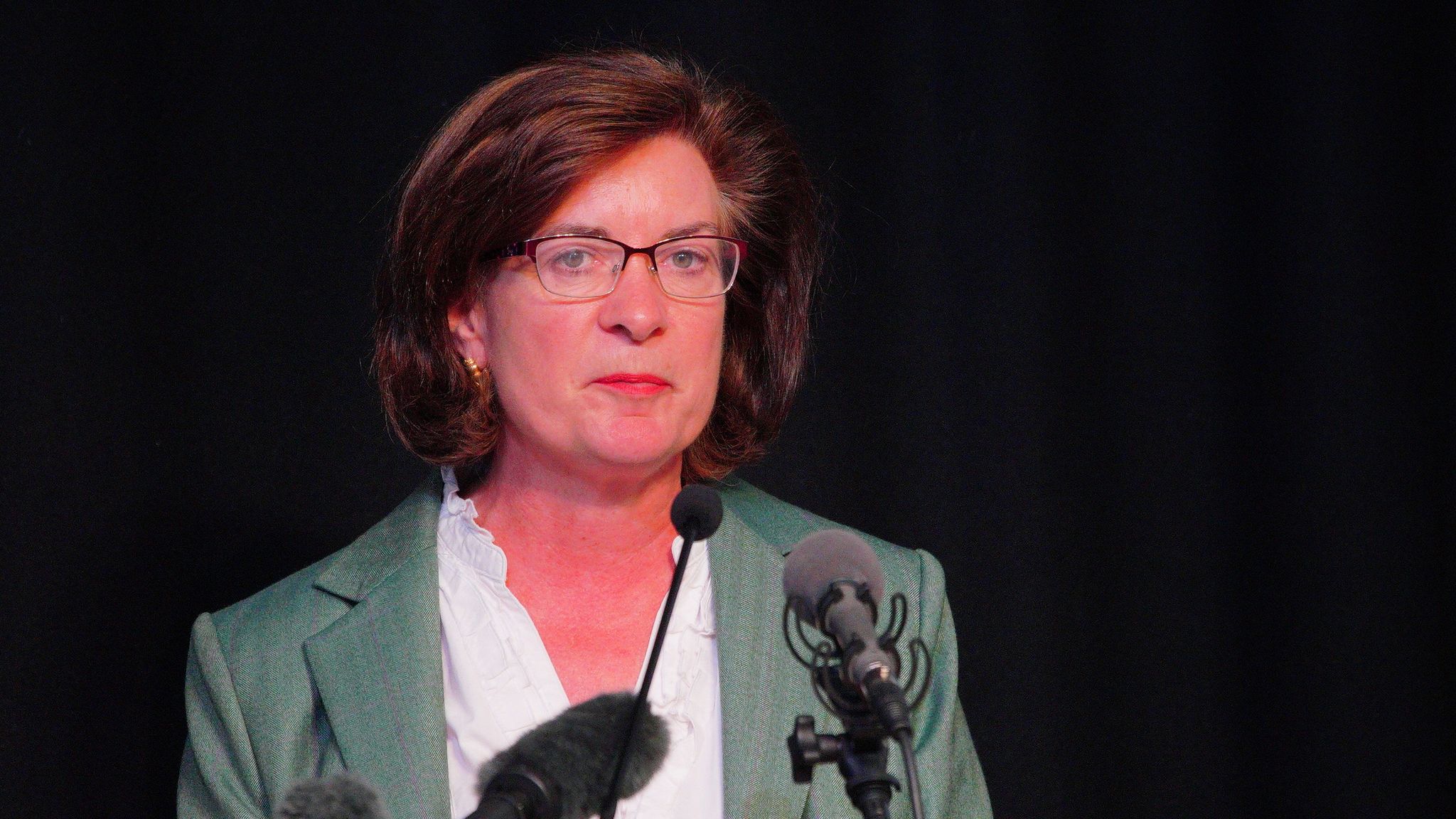
“It ends a century of Labour winning in Wales,” Morgan declared, urging the party to refocus on championing the working class and addressing wealth distribution—principles once at the core of Labour’s Welsh identity.
Despite the scale of the loss, Morgan stopped short of calling for Sir Keir Starmer’s resignation as Labour leader. However, her own position became untenable after defeat in her constituency, prompting an immediate resignation and sparking a leadership contest within Welsh Labour.
Prominent figures expected to vie for leadership include Ken Skates (MS for Flint and Wrexham), who reportedly has significant momentum, Huw Thomas (MS for Caerdydd Penarth), and Mike Hedges (MS for Gwyr Abertawe). Former deputy first minister Huw Irranca-Davies also remains a potential contender, though he is widely tipped for the role of Llywydd—the Senedd’s presiding officer.
Why This Election Matters: The Future of Welsh Politics
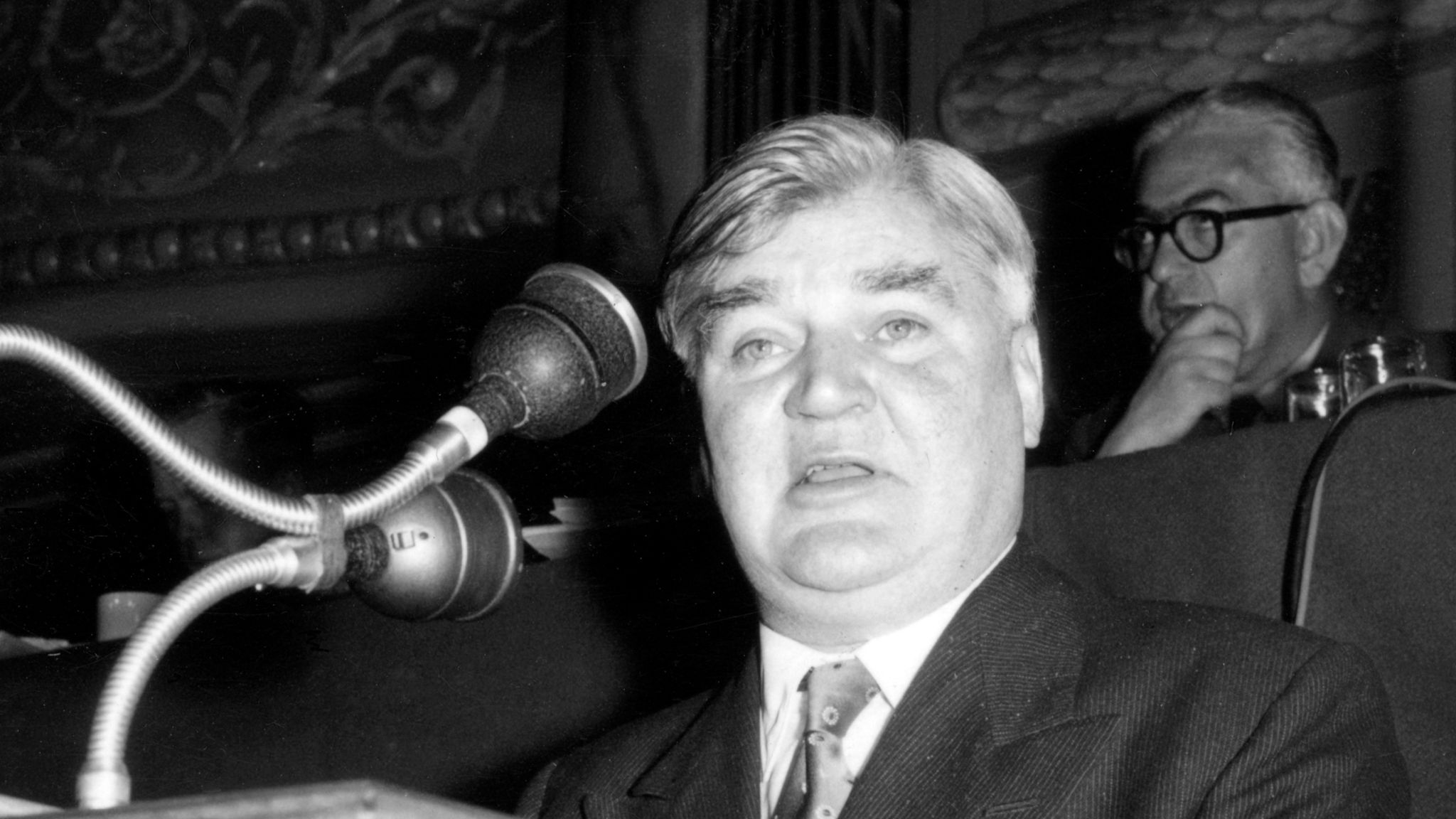
This election signals more than a temporary setback for Labour; it represents a fundamental transformation of Wales’s political landscape. The rise of Plaid Cymru as the dominant force reflects growing nationalist sentiment and a desire for change among voters disillusioned with traditional party politics. Meanwhile, Reform UK’s surge underlines a shift toward more radical alternatives.
The collapse of Labour’s support in its historic heartlands poses critical questions about the party’s ability to reconnect with Welsh voters. The loss highlights the urgent need for Labour to redefine its mission and policies to resonate with contemporary concerns, particularly regarding economic inequality and social justice.
Moreover, with an increasingly unpopular Prime Minister at Westminster and mounting political volatility across the UK, Welsh Labour faces a daunting challenge to rebuild trust and relevance.
Looking Ahead: Can Labour Reclaim Wales?
Eluned Morgan’s parting words captured the bittersweet mood within Welsh Labour: “We know in the Labour Party we have tough days ahead, but we are confident that the sun will shine again.” Yet, with Plaid Cymru and Reform UK capitalizing on Labour’s decline, that optimism will be tested fiercely.
The next leader of Welsh Labour inherits a party at a crossroads, tasked with not only recovering lost ground but also reimagining its place in a rapidly evolving political environment. How Labour responds will shape Wales’s future—and determine whether the party can restore the historic bond it once had with the nation.
Full details of Labour’s strategic response remain to be seen as the party embarks on this critical journey.