The Labour Party’s left-wing factions have coalesced in a powerful call for a “major reset,” warning that the party’s future hinges on choosing a radically different path. This united front emerges amid growing dissatisfaction with Sir Keir Starmer’s leadership and a series of electoral setbacks that have shaken the party’s standing across the UK.
What Sparked the Push for Change?
This renewed left-wing alliance follows a stark intervention by Angela Rayner, Labour’s former deputy prime minister, who openly criticised Starmer’s immigration policies as “un-British” and declared that Labour’s “very survival” is at stake. Rayner delivered her message at a reception hosted by Mainstream, a centre-left organisation closely aligned with Greater Manchester Mayor Andy Burnham, advocating for pragmatic left policies.
Her pointed remarks found resonance in a new campaign statement titled “Reset the Labour Party.” The statement, supported by a coalition of MPs, councillors, and activists, was launched alongside an official website and criticises the party leadership for “pandering to the far right” and adopting a “centralising approach” that neglects the grassroots energy of members.
The call for bold new ideas and a more democratic internal culture comes on the heels of disastrous electoral performances, including the Gorton and Denton by-election, where Labour came third—behind the Greens and Reform UK—in a seat it had held for over a century. This defeat was compounded by losses to Reform UK in Runcorn and Plaid Cymru in Caerphilly, signalling a worrying national trend.

Uniting the Left: A Rare Collaboration
What makes this movement particularly significant is the unusual coalition it has forged across Labour’s spectrum of left-wing groups. Traditional divides between the Socialist Campaign Group, represented by figures like John McDonnell and Richard Burgon, and centre-left factions such as the Tribune Group and Mainstream, are being bridged. Even Momentum, the organisation synonymous with the Corbyn era, has backed the campaign.
The collaboration aims to influence the upcoming elections for the party’s National Executive Committee (NEC), a powerful body that shapes Labour’s strategic direction, candidate selection, and internal discipline. Nine Constituency Labour Party (CLP) seats on the NEC are up for grabs, with Mainstream and Momentum supporting different candidates who have all endorsed the reset statement. This signals a shared desire among the broad left to counterbalance the pro-leadership Labour to Win faction.
The statement highlights Labour’s “growing electoral threat” and calls on members to reject the leadership’s “insular” approach, which it claims sidelines the movement’s “energy, talent and ideas.” It also condemns the ongoing underfunding of public services and local government and warns against adopting far-right rhetoric.
Why This Matters: The Future of Labour
Last month’s electoral setbacks have intensified speculation about Sir Keir Starmer’s leadership stability. Insiders predict that May’s local elections could be a “bloodbath,” potentially triggering a leadership challenge from within the party.
The reset campaign insists that Labour “can only survive… if we choose a different path.” Their policy proposals include introducing wealth taxes and bringing essential services under democratic ownership. The statement also demands a restoration of internal democracy, calling for “genuinely open” candidate selections and an end to suspensions of MPs who legitimately scrutinise the government. It critiques the party’s “top-down control” and stresses the urgent need to rebuild membership, warning that many members are abandoning Labour in frustration or disappointment.
Signatories to the statement include councillors nationwide and MPs such as Charlotte Nichols, known for her criticism of jury trials, Alex Sobel from Open Labour, and welfare campaigners Chris Hinchliff and Neil Duncan-Jordan.
Angela Rayner’s Warning: Labour Is Running Out of Time
While not a signatory to the statement, Angela Rayner echoed its core message, praising Mainstream’s “radical realism” and emphasising the party’s precarious position. She warned that the government is “running out of time” to deliver meaningful change, with public perception increasingly viewing it as defending the status quo.
Rayner criticised current migration reforms and urged a relentless focus on tackling the cost-of-living crisis. She pointed to centre-left governments in Norway and Canada as examples that have successfully rebounded amid rising populism by prioritising economic issues affecting working people.
Meanwhile, Downing Street has declined to fully endorse the recent migration reforms but insisted that Sir Keir Starmer “shares an impatience” for change and remains “firmly on the side of working people.” The prime minister has also vowed to face down any leadership challenge and confirmed his intention to lead Labour into the next general election.
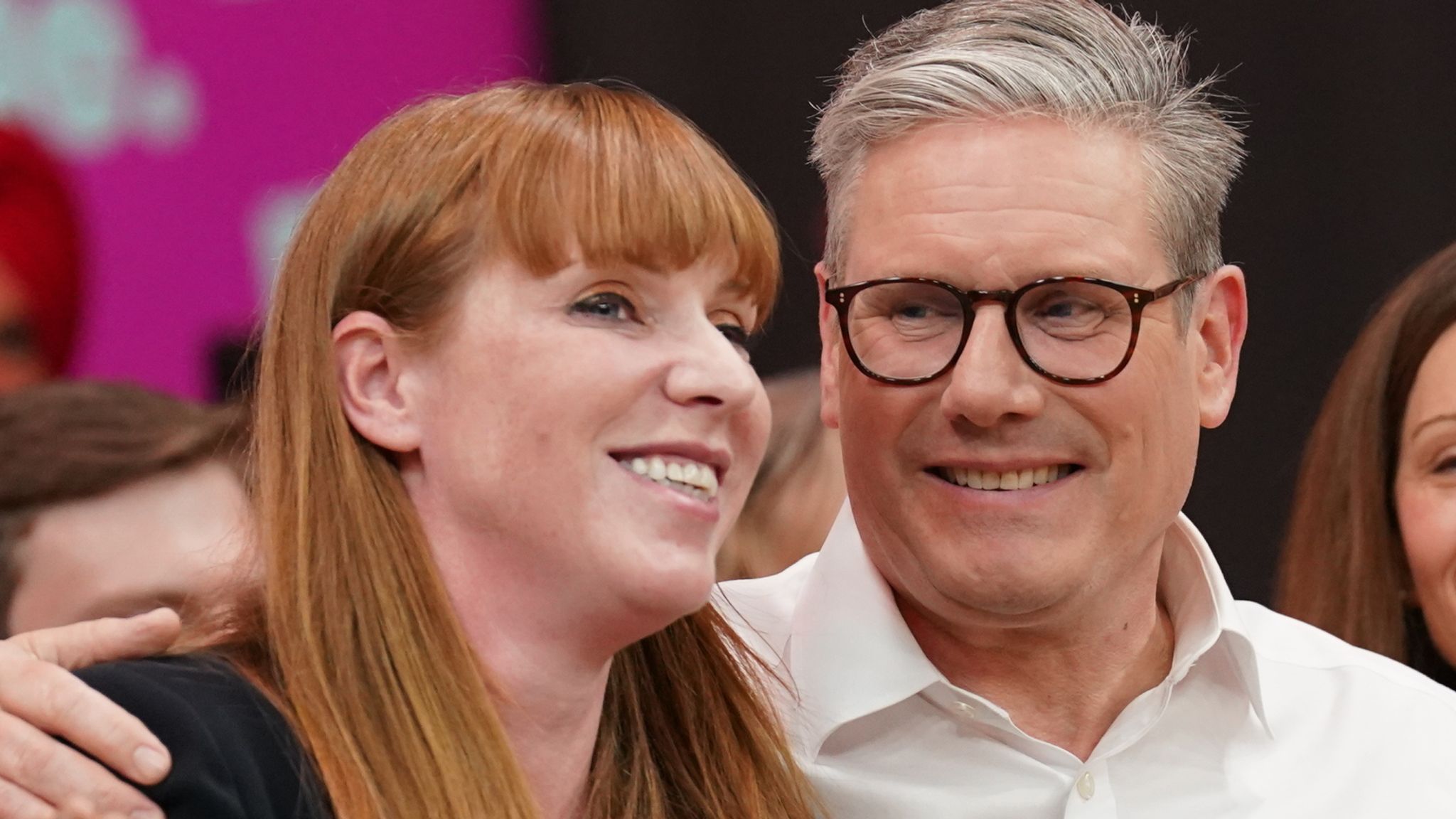
Looking Ahead: What Comes Next for Labour?
The Labour Party stands at a critical crossroads. Deep internal divisions and disappointing election results have spurred a powerful faction within the party to demand a fundamental reset. This movement not only challenges the current leadership’s strategy but also seeks to reinvigorate the party’s democratic processes and reconnect with its grassroots base.
The NEC elections later this year will test whether this broad left coalition can translate its unity into influence. For Labour supporters and political observers alike, the coming months will reveal whether Starmer’s leadership can adapt or if the party is headed for a turbulent period of internal contestation.
Ultimately, the future of Labour depends on its ability to respond to the urgent calls from within for bold ideas and renewed democratic engagement. The party’s survival may well hinge on embracing this “different path” before the next wave of elections.