A laser beam aimed directly at the cockpit forced a Virgin Atlantic flight bound for New York to make an emergency return to London Heathrow Airport, raising urgent safety concerns about the dangers posed by laser attacks on aircraft. The incident unfolded as the plane was approximately six miles west of Heathrow, where one of the pilots experienced a sudden medical issue after the cockpit was struck by the laser beam. This alarming event triggered immediate precautionary measures, compelling the flight crew to abort their transatlantic journey.
What Happened on Flight VS025
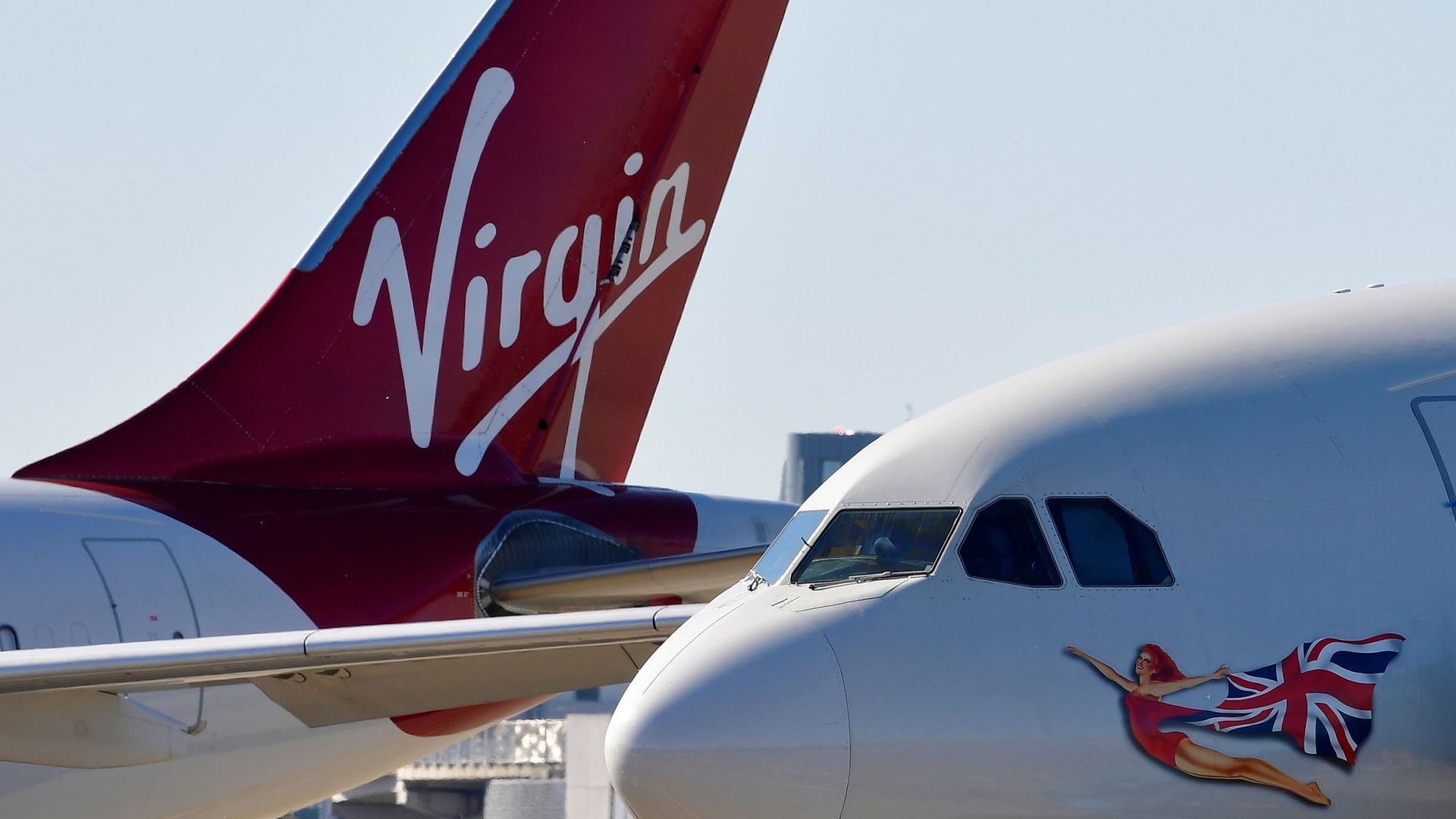
Virgin Atlantic Flight VS025, carrying 252 passengers and 15 crew members, had departed just before 8pm from Heathrow, headed for John F. Kennedy International Airport in New York. Shortly after takeoff, the plane encountered a hazardous situation when a high-powered laser was shone into the cockpit. The First Officer reported feeling unwell, an indication of the potential physical impact caused by the laser exposure. Following this medical concern, the pilot in command decided to return to Heathrow as a precautionary measure to ensure the safety of everyone on board.
Audio recordings from the exchange between the aircraft and air traffic control reveal the gravity of the incident, with the flight crew explicitly mentioning the “medical issue” triggered by the laser exposure. The incident occurred approximately six or seven miles west of the airport, placing the plane well within the final stages of its ascent phase when the attack took place.
Passengers were understandably shaken by the ordeal. Bethany McHutchinson, one of the travelers on board, described the experience as “really scary,” emphasizing the risk involved whether the laser was directed intentionally or by accident. She noted the severe consequences that could have arisen if the laser had caused more significant impairment, potentially endangering the entire flight’s safety.
__IMAGE_PLACEHOLDER_1__
The Broader Threat of Laser Attacks on Aircraft
Laser strikes on aircraft have become a growing concern for aviation authorities worldwide. Such attacks can cause temporary blindness or “flash blindness” in pilots, significantly impairing their vision during critical phases of flight such as takeoff and landing. The British Airline Pilots Association (Balpa) highlights the dangers of laser exposure, warning that even momentary visual impairment could lead to catastrophic outcomes including loss of aircraft control.
In response to the rising number of such incidents, Balpa has urged government ministers to classify the use of lasers against aircraft as an offensive weapon. This classification would enable stricter penalties and greater enforcement powers to deter potential offenders.
The Civil Aviation Authority (CAA) reiterated that shining a laser at an aircraft in flight is a criminal offence due to the serious safety risks involved. These offences are treated with the utmost severity because of the potential for disastrous consequences, including pilot disorientation or temporary incapacitation.
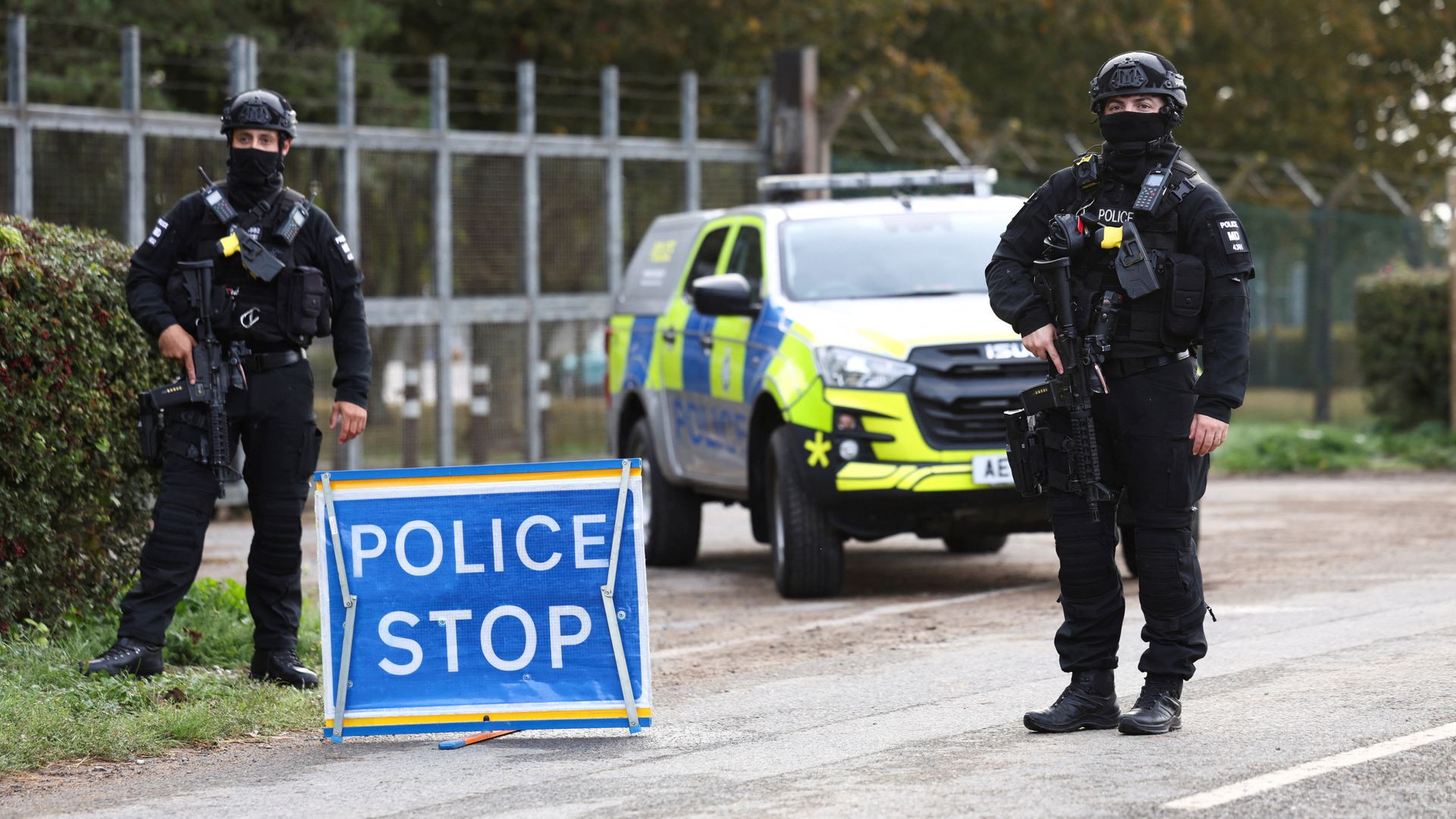
The Metropolitan Police confirmed they were notified of the incident shortly after 9:30pm and are actively investigating to determine the exact location from which the laser was aimed. This highlights the challenge law enforcement faces in tracking down perpetrators, as lasers can be directed from considerable distances and across wide areas.
__IMAGE_PLACEHOLDER_2__
Why This Incident Matters
Incidents like the Virgin Atlantic laser attack underscore a critical vulnerability in aviation safety. Pilots rely heavily on unimpaired vision to operate complex aircraft and ensure the safety of hundreds of passengers. A sudden impairment caused by a laser can compromise crucial decision-making and reaction times during flight.
The decision by the Virgin Atlantic crew to return to Heathrow reflects a prudent and safety-first approach, prioritizing the well-being of both passengers and crew. Although the flight was delayed and passengers faced inconvenience, the choice to abort the journey rather than risk continuing with a pilot suffering from a medical effect caused by the laser was necessary.
This event also serves as a stark reminder of the need for continued vigilance and enhanced legal measures to prevent laser attacks. As lasers become more accessible and powerful, protecting aircraft from such threats becomes increasingly important for the aviation industry, regulatory bodies, and law enforcement agencies alike.
Virgin Atlantic’s commitment to cooperating with authorities in identifying the source of the laser highlights the collaborative effort required to combat this menace. Airlines, regulators, and police must work together to ensure robust deterrents and swift responses to safeguard the skies.
__IMAGE_PLACEHOLDER_3__
Going forward, this incident will likely intensify calls for stricter controls on laser devices and raise awareness among the public about the severe dangers associated with aiming lasers at aircraft. Protecting the safety of flights, crew, and passengers from such preventable hazards remains an urgent priority for the aviation community worldwide.