

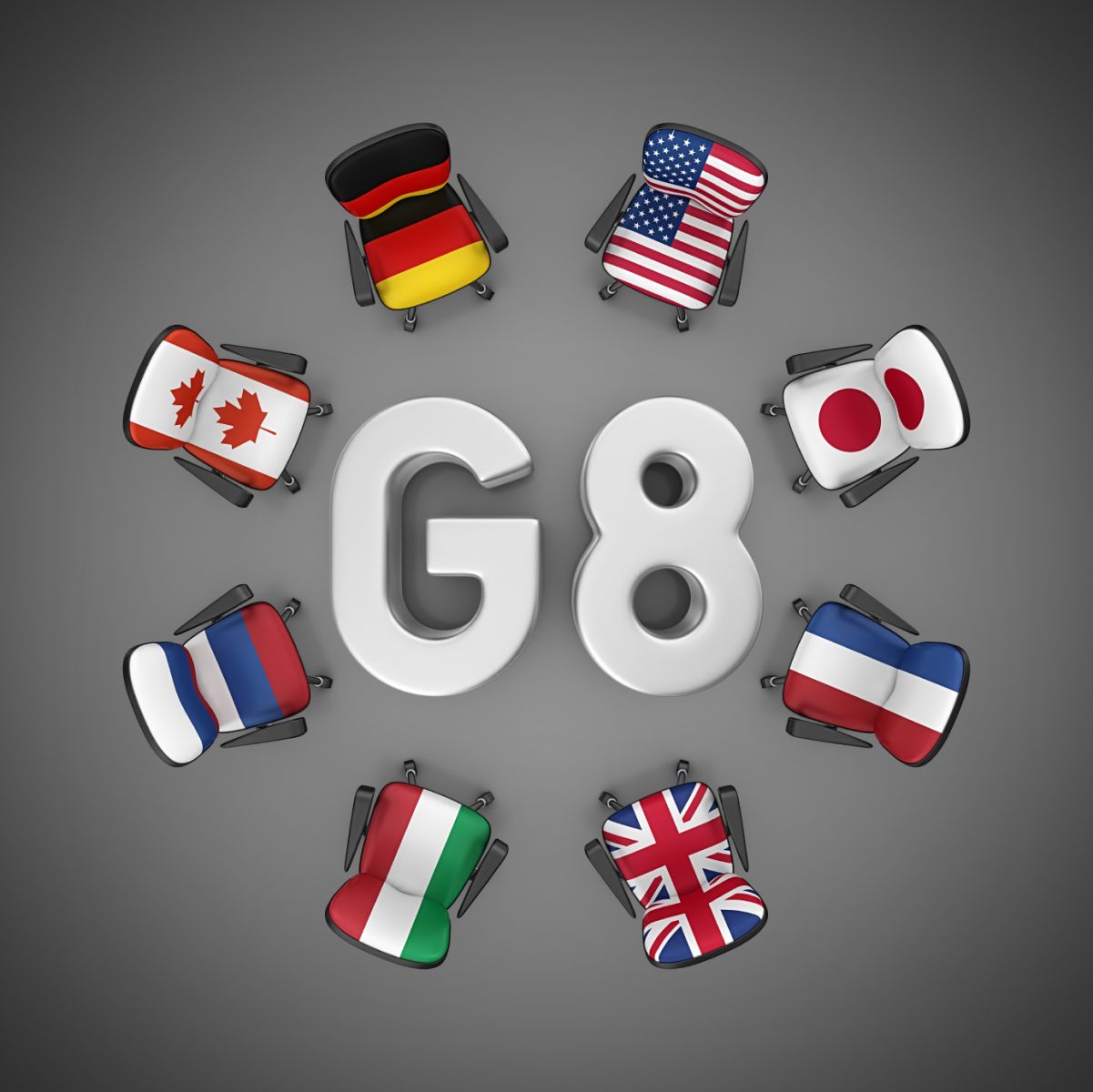
The G8 summit held in Northern Ireland marked a significant moment on the global stage, not only for the discussions that unfolded but also for what the location represented. Hosting the summit in Northern Ireland was a deliberate choice by the UK Government to underscore the progress made in the region, highlighting the success of the peace process and Northern Ireland’s emerging role as a hub for business, investment, tourism, and economic growth. Prime Minister David Cameron opened the summit with a comprehensive statement in the House of Commons, outlining the key outcomes and setting the tone for the discussions that followed.
__IMAGE_PLACEHOLDER_1__
Setting the Agenda: The Four Ts
The Prime Minister framed the summit around a focused agenda aimed at tackling pressing global challenges. The primary objectives were to promote jobs and economic growth through three main pillars he called the “three Ts”: trade, taxes, and transparency. To this, he added a crucial fourth T: terrorism. These pillars reflected the UK’s strategic priorities and commitment to shaping the global economic landscape for the benefit of all nations.
The summit began with an emphasis on economic recovery. Leaders agreed that addressing public finances was essential to unlocking sustainable growth. The communiqué underscored that fiscal responsibility must go hand in hand with active monetary policies and structural reforms that enhance competitiveness and job creation. This holistic approach aimed to equip young people worldwide with opportunities to succeed in a highly competitive global economy.
On trade, the summit launched negotiations for a landmark EU-US trade agreement, the world’s largest bilateral trade deal, with potential economic benefits estimated at up to £100 billion for the EU and £80 billion for the US. This historic deal promised to create jobs, enhance consumer choice, and lower prices, signaling a new era of economic cooperation.
Tax Transparency and Fairness
One of the most concrete achievements was the Lough Erne declaration, which set out clear commitments to combat tax evasion and aggressive avoidance. The declaration called for automatic exchange of tax information among countries to prevent tax evaders from hiding assets. It also emphasized the need for companies to disclose their true ownership, enabling authorities to tackle corporate secrecy and illicit financial flows.
Importantly, the commitments extended support to developing countries, enabling them to build capacity to collect taxes effectively. Transparency in the extractive industries was another milestone: companies must now report payments to governments, and governments must disclose receipts, ensuring that natural resources become a blessing rather than a curse for resource-rich but economically vulnerable nations. This comprehensive approach united governments, charities, and NGOs in a shared effort against corruption and financial injustice.
__IMAGE_PLACEHOLDER_2__
Addressing Global Security and Humanitarian Crises
The summit also tackled the pervasive threat of terrorism, adopting a firm stance to cut off funding streams such as ransom payments to kidnappers. These payments had funded extremist groups like al-Qaeda with tens of millions of dollars over recent years. The G8’s agreement to end ransom payments marked a significant step towards undermining terrorist financing.
Additionally, discussions covered the evolving peace process in Afghanistan, welcoming the initiation of talks with the Taliban alongside continued security efforts. The summit expressed support for Libya’s post-conflict reconstruction, with Western nations pledging to train thousands of troops to stabilize the country following the fall of Colonel Gaddafi.
The Syrian Crisis: A Complex Diplomatic Challenge
The situation in Syria dominated much of the summit’s diplomatic focus. Despite profound differences among member states, leaders managed to agree on a unified approach to support the Syrian people’s aspirations for change through a political solution. The summit reaffirmed that no military victory was achievable and that international efforts must concentrate on facilitating a political transition.
Nearly $1.5 billion was pledged for humanitarian aid to Syria and neighboring countries in response to the escalating crisis, which by then had resulted in over 90,000 deaths and millions displaced. The G8 also endorsed the Geneva II peace talks, emphasizing the necessity of establishing a transitional governing body with full executive powers, an element previously in question but now unanimously supported. The leaders stressed the importance of maintaining key state institutions throughout the transition to prevent a power vacuum that could fuel extremism.
On the highly sensitive issue of chemical weapons, the summit achieved a rare consensus, including Russia, demanding immediate and unrestricted access for UN inspectors to investigate alleged use of chemical weapons by the Syrian regime or any other actors. This stance reinforced the international prohibition of chemical weapons and aimed to hold perpetrators accountable.
__IMAGE_PLACEHOLDER_3__
Why the G8 Summit in Northern Ireland Matters
Holding the G8 summit in Northern Ireland was a powerful symbol of transformation. Fifteen years prior, such an event would have been unimaginable due to the political instability and conflict that had plagued the region. The summit showcased Northern Ireland’s peaceful progress and economic potential, providing a global platform to attract investment and tourism. The warm welcome extended by the local community and the flawless security arrangements highlighted the region’s readiness to engage on the world stage.
Beyond symbolism, the summit’s tangible outcomes on tax transparency, trade liberalization, counter-terrorism, and conflict resolution reflect a concerted effort by the world’s leading economies to confront shared challenges with practical solutions. The agreements forged here are set to influence the G8 and G20 agendas for years, embedding principles of openness, fairness, and cooperation into international governance.
Yet, the summit also underscored the complexities of global diplomacy, particularly regarding Syria. The delicate balance between condemning a brutal regime and fostering dialogue with all stakeholders, including controversial actors, illustrates the nuanced approach required to navigate such protracted conflicts. The emphasis on a political solution, humanitarian assistance, and countering extremism sends a clear message of the international community’s priorities while acknowledging the difficult road ahead.
__IMAGE_PLACEHOLDER_4__
Looking Forward: Turning Commitments into Action
The G8 summit in Northern Ireland set ambitious goals and established new frameworks for international cooperation, but the real challenge lies in implementation. The leaders’ commitments to tax transparency, trade agreements, and counter-terrorism require sustained political will, rigorous enforcement, and continuous dialogue with global partners, including emerging economies.
The summit also highlighted the evolving nature of global threats and opportunities, from economic recovery and trade liberalization to the fight against terrorism and the pursuit of peace in conflict zones. Success depends on the ability of governments to translate these high-level agreements into concrete policies that benefit citizens worldwide.
In this context, the G8’s role as a platform for leadership and coordination remains vital. Its agenda, shaped by the UK presidency, reflects a blend of economic pragmatism and moral responsibility. As these commitments are pursued, the world will watch closely to see whether the momentum generated in Northern Ireland leads to lasting change.
Ultimately, the summit reaffirmed that global challenges require global solutions, grounded in transparency, cooperation, and the shared goal of a safer, more prosperous future for all.