

The ambitious high-speed rail connection between London and Birmingham—once celebrated as a flagship infrastructure project—now confronts significant setbacks. The railway line, initially touted as a groundbreaking leap forward in British transport, will ultimately be slower, more expensive, and take longer to complete than originally promised. These developments cast fresh doubts on the project’s timeline, budget, and overall impact.
What Happened: Delays and Reduced Speeds
Originally hailed as a transformative high-speed rail link, the London to Birmingham route was expected to dramatically cut travel times and boost regional connectivity. However, recent updates reveal that the trains will operate at slower speeds than initially planned. This means passengers will not experience the rapid transit benefits that were once a key selling point for the project.
Alongside slower speeds, construction timelines have stretched beyond initial projections. The extended schedule implies that commuters and businesses will have to wait longer for the promised improvements in transportation infrastructure. Delays in large-scale infrastructure projects are not uncommon, but the extended timeframe here raises concerns about project management and logistical challenges.
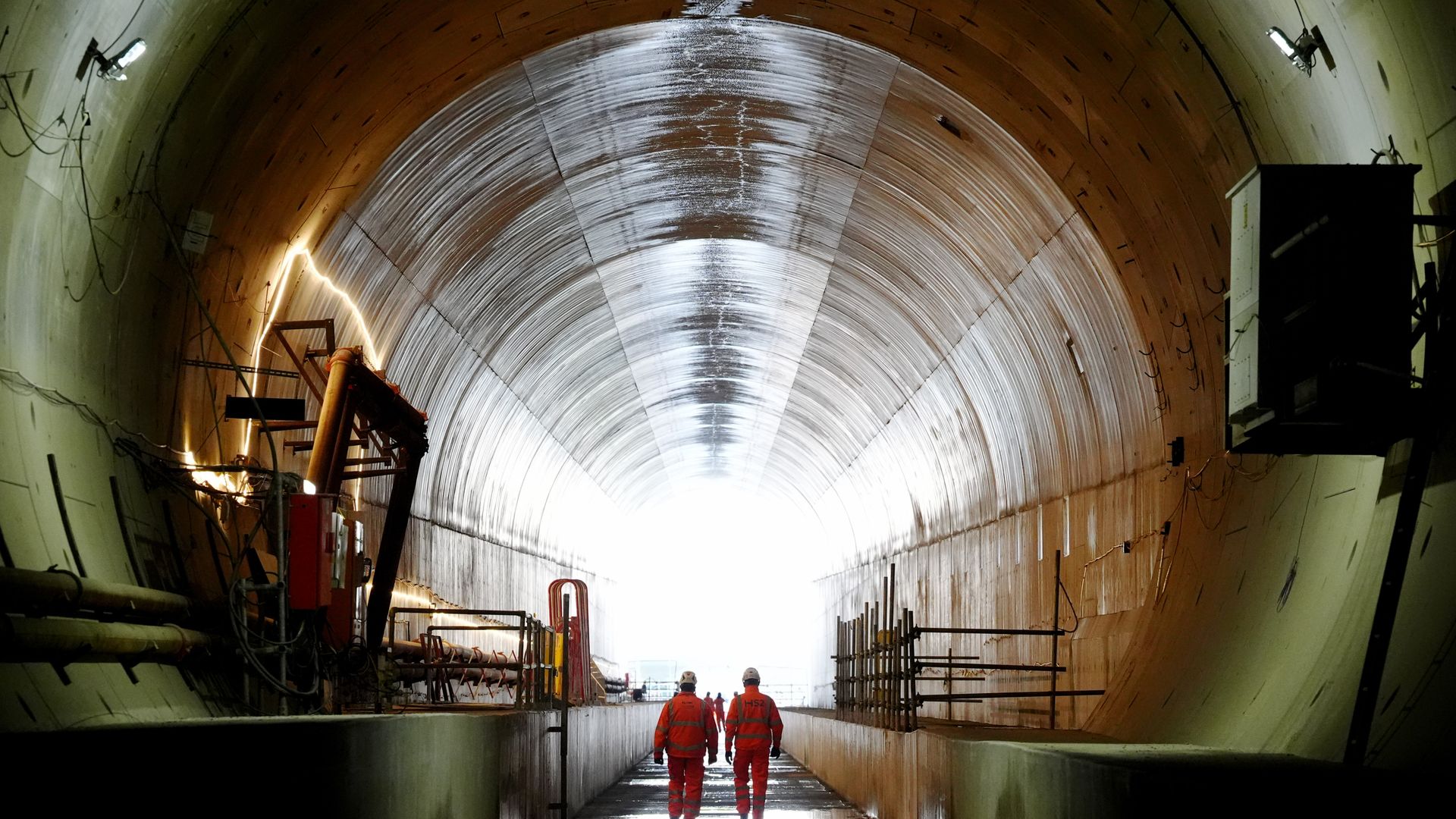
Escalating Costs: The Price of Ambition
Compounding the issue of delays, the project’s budget has ballooned beyond earlier estimates. The London-Birmingham high-speed rail line is now projected to be the world’s most expensive of its kind, with costs surpassing initial forecasts. Budget overruns in mega-projects like this often result from unforeseen engineering challenges, rising material costs, and complex regulatory environments.
Such a steep increase in expenditure places pressure on public finances and raises questions about the economic viability of the project. Critics argue that the soaring costs may diminish the return on investment and exacerbate taxpayer burden, while supporters maintain that the long-term benefits of improved connectivity and economic growth justify the upfront expenses.
Why It Matters: Impact on Commuters and the Economy
The London to Birmingham high-speed rail line was designed to revolutionize travel between two major economic hubs, stimulating regional development and easing congestion on existing rail services. Slower speeds and longer construction timelines threaten to delay these benefits, affecting daily commuters, businesses, and regional economies.
For commuters, the reduced speed means less time saved than anticipated, which could impact decisions about where to live and work. For businesses, prolonged construction and uncertainty may hinder investments and operational planning. Moreover, the inflated cost raises concerns about funding priorities and the allocation of resources for other critical infrastructure projects.
Looking Ahead: What Comes Next?
Despite these setbacks, the project remains a priority for the government and transport authorities. Efforts are underway to manage costs and accelerate construction where possible. Stakeholders emphasize the transformative potential of the railway once operational, including enhanced connectivity, economic revitalization, and environmental benefits through reduced car travel.
However, the challenges faced by the London-Birmingham high-speed rail line underscore the complexities inherent in delivering large-scale infrastructure projects. Transparent communication, robust project management, and realistic planning will be essential to navigate the path forward.
Takeaway: The London to Birmingham high-speed rail project’s increased costs, slower speeds, and extended timelines highlight the difficulties of modern infrastructure development. While the vision of faster, more efficient travel remains intact, realizing that vision will require addressing financial, technical, and logistical obstacles. The eyes of commuters, policymakers, and investors alike remain fixed on the project’s progress as it seeks to redefine rail travel in the UK.