Central London’s traffic congestion has long posed a significant challenge for commuters, residents, and city planners alike. To combat the persistent gridlock and promote more sustainable transport, the London congestion charge was introduced, marking a pioneering effort in urban traffic management. This daily fee applies to most motor vehicles operating within a specifically designated area known as the Congestion Charge Zone (CCZ), aiming to both reduce traffic volumes and generate revenue for London’s extensive public transport network.
What Is the London Congestion Charge?
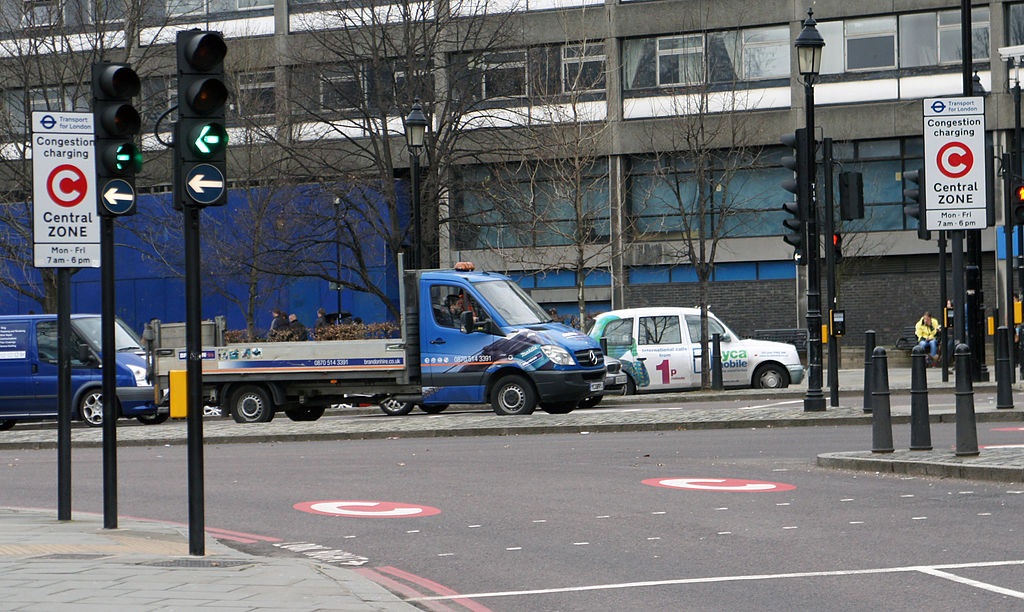
The London congestion charge is a daily fee levied on vehicles that enter and operate within the Congestion Charge Zone in central London during peak hours. Specifically, the charge applies between 07:00 and 18:00 from Monday through Friday. This policy excludes weekends, public holidays, and the period from Christmas Day through New Year’s Day, allowing freer movement during traditionally lower traffic times.
The Congestion Charge Zone itself covers a substantial part of central London, incorporating some of the city’s busiest boroughs and streets. The zone’s boundaries were initially drawn to include key commercial and tourist areas where traffic congestion was most severe. Although the Western Extension of the zone was introduced in 2007, it was later discontinued in 2011 following public feedback and further traffic studies. Despite this reduction, the CCZ remains one of the largest congestion charge zones worldwide, reflecting London’s commitment to managing urban traffic sustainably.

Origins and Objectives of the Charge
The congestion charge was launched on 17 February 2003, representing a groundbreaking initiative to address London’s chronic traffic congestion. The scheme was designed with dual objectives: first, to curb the number of vehicles clogging central London’s streets during busy times; and second, to raise crucial investment funds to improve and expand the capital’s public transport infrastructure.
By discouraging unnecessary car journeys through a financial disincentive, the charge encourages drivers to switch to alternative modes of transportation such as buses, bicycles, or the London Underground. Over the years, this shift has contributed to an overall improvement in air quality and traffic flow within the zone, which benefits not only drivers but also pedestrians and cyclists.
Moreover, the revenue generated from the congestion charge is reinvested by Transport for London (TfL) into enhancing public transport services. This funding supports upgrades to bus fleets, expansion of cycling infrastructure, and maintenance of rail networks, all of which help create a more efficient and environmentally friendly transport ecosystem.
How the Charge Works and Enforcement Mechanisms
The current standard charge for entering the Congestion Charge Zone is £11.50 per day for each non-exempt vehicle. This daily fee applies regardless of the number of times a vehicle crosses into the zone within the chargeable hours, making it crucial for drivers to plan their trips carefully.
Vehicles exempt from the charge include certain categories such as emergency service vehicles, motorcycles, disabled passenger vehicles, and electric cars, reflecting ongoing efforts to encourage low-emission transport options.
To ensure compliance, enforcement relies heavily on advanced technology, primarily automatic number plate recognition (ANPR) cameras positioned throughout the zone. These cameras capture vehicle registration details as cars enter and move within the zone, allowing TfL to identify those who fail to pay the charge.
Penalties for non-payment are substantial, ranging from £65 to £195 depending on how quickly the fine is settled. This stringent enforcement regime underscores the seriousness with which TfL approaches congestion management, deterring potential offenders and maintaining the integrity of the system.
Since 1 November 2009, the day-to-day operation of the Congestion Charge scheme has been managed by IBM, a global leader in technology and systems integration. IBM’s role includes maintaining the ANPR infrastructure, processing payments, and handling customer service, ensuring smooth and reliable operation of this complex urban traffic control system.
Why the London Congestion Charge Matters
The congestion charge represents more than a simple toll; it is a vital component of London’s broader urban planning and environmental strategy. By reducing the number of vehicles in central areas, the scheme helps alleviate traffic jams, shorten travel times, and lower harmful emissions that contribute to air pollution and climate change.
Additionally, the funds raised through the charge provide a sustainable revenue stream to modernize London’s public transport network, making it a more attractive alternative to private car use. This aligns with global trends toward greener, more efficient cities where mobility solutions prioritize public transit and active travel modes.
For residents, commuters, and visitors, the congestion charge fosters a safer, cleaner, and more accessible city center. Businesses can benefit from more reliable delivery times and improved customer access, while the overall urban environment gains from reduced noise and better air quality.
Looking Ahead
As London continues to evolve, the congestion charge will likely remain a key tool in managing the capital’s transport challenges. With ongoing advancements in vehicle technology, such as the rise of electric and autonomous cars, and growing public demand for sustainable mobility, the scheme may adapt further to encourage even cleaner and smarter transportation options.
Ultimately, the London congestion charge exemplifies how targeted policy interventions, supported by technology and clear enforcement, can effectively reshape urban mobility. It balances the needs of a vibrant metropolis with the imperative to protect the environment and improve quality of life for millions.