The future of House of Lords reform hangs in the balance as the Government prepares to abandon its ambitious plans. What began as a bold initiative to reshape one of the United Kingdom’s most historic institutions now faces significant opposition, even from within the ruling Conservative Party. This mounting resistance threatens to derail a transformative constitutional change aimed at reducing the size of the House of Lords and making it predominantly an elected chamber.
What Happened: Internal Opposition Derails Lords Reform
The Government’s proposal to overhaul the House of Lords by slashing its membership and shifting to a system where 80% of its members would be elected has encountered fierce pushback. Key supporters within the Conservative Party, including prominent Tory backbenchers, have expressed strong reservations about the reform. Their opposition stems from concerns over losing influence in the upper chamber and the potential unpredictability of an elected House of Lords.
As a result, the Government is now reportedly preparing to shelve the reform plans indefinitely. This marks a significant retreat from previous commitments and signals a major constitutional setback. The failure to advance the reform is not merely a matter of political inconvenience; it reflects deep divisions within the coalition and the Conservative Party itself.
Last month, the Government faced a humiliating defeat when it had to withdraw a timetable motion for the reform Bill. This motion sought to limit Parliamentary debate to expedite the process, but rebellion from 91 Conservative MPs forced the Government’s hand. Though Labour support carried the motion forward, the scale of Tory dissent revealed how fragile the Government’s position had become.
__IMAGE_PLACEHOLDER_1__
The Stakes for the Coalition: Political Fallout and Retaliation
The shelving of Lords reform has profound implications for the coalition government, particularly for the Liberal Democrats, who have long insisted that constitutional reform was a cornerstone of their alliance with the Conservatives. The Lib Dems regard the reform as a key aspect of their mandate, alongside other constitutional changes such as the Alternative Vote (AV) referendum, which they lost.
A senior Liberal Democrat spokesman has warned that failure to deliver the promised reform will have “consequences.” The party is reportedly preparing to retaliate by blocking proposed boundary changes that could otherwise favor the Conservatives by granting them an additional 20 parliamentary seats at the next general election. This standoff underscores the fragile nature of the coalition agreement and the challenges of maintaining unity amid diverging priorities.
The spokesman rejected the idea that the Liberal Democrats would accept a political trade-off, such as concessions on energy policy or party finance reform, in lieu of Lords reform. He dismissed such possibilities as “for the birds,” emphasizing that constitutional reform is a non-negotiable part of the coalition’s pact.
__IMAGE_PLACEHOLDER_2__
Why Lords Reform Matters: Democratic Modernization and Political Credibility
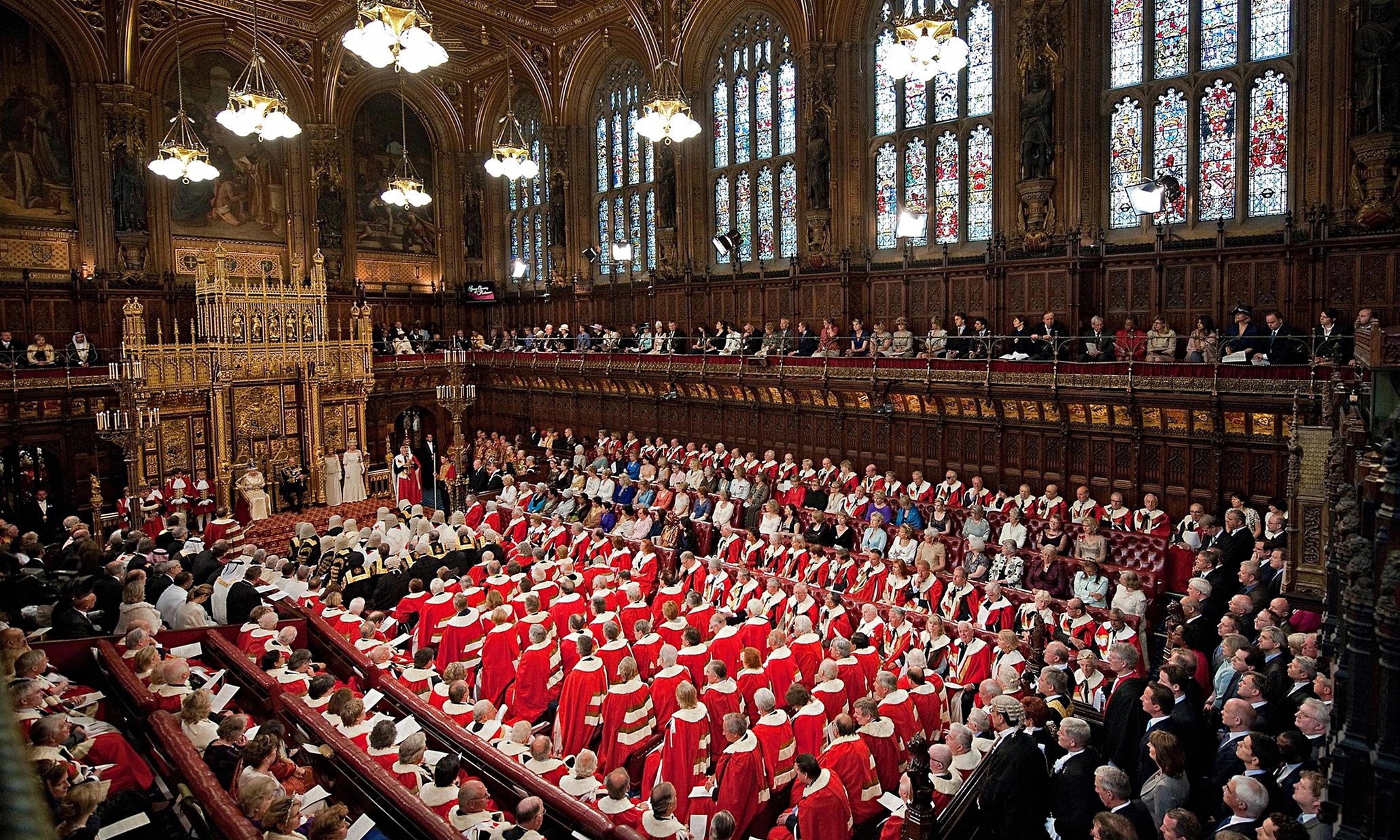
The debate over Lords reform transcends party politics; it touches on fundamental questions about the nature of British democracy. The House of Lords, as the unelected upper chamber of Parliament, plays a crucial role in scrutinizing legislation and shaping national policy. Critics argue that its current composition, dominated by life peers appointed for political, hereditary, or other reasons, is outdated and undemocratic.
Electoral Reform Society chief executive Katie Ghose has been a vocal advocate for reform. She stresses that modernizing the second chamber is essential for the UK to “hold its head up as a modern democracy.” Ghose highlights the contradiction of a chamber that wields legislative power but remains a “play-thing for politicians” rather than a body accountable to the public.
For Liberal Democrat leader Nick Clegg, Lords reform represents a critical element of his political legacy and credibility. Having already suffered a setback with the defeat of the AV voting system referendum, failing to secure reform of the House of Lords would mark another constitutional defeat. Shadow Justice Secretary Sadiq Khan points out that Clegg’s support for tough Conservative policies was premised on the promise of Lords reform. Without it, Khan argues, many voters will question the Liberal Democrats’ priorities during economically challenging times.
__IMAGE_PLACEHOLDER_3__
What Comes Next: Navigating a Constitutional Crossroads
With Prime Minister David Cameron reportedly lacking sufficient time to draft a new reform Bill before the parliamentary recess in September, the future of Lords reform remains uncertain. Senior coalition figures are said to be working on a new agreement covering the next two years, but the details and viability of this deal are as yet unclear.
The current impasse reveals the difficulties of achieving constitutional reform in a complex political landscape. The House of Lords has long been a subject of debate, with previous reform attempts stalled or diluted. The prospect of a mostly elected chamber raises questions about the balance of power between the Commons and the Lords, the role of hereditary peers, and the mechanisms for accountability and legitimacy.
As the coalition grapples with these challenges, the fate of Lords reform will serve as a litmus test for its ability to deliver on its promises. The coming months will determine whether constitutional modernization can survive political infighting or whether the status quo will prevail, maintaining the traditional, unelected composition of the House of Lords.
Why This Matters
The potential abandonment of Lords reform highlights the complexities of constitutional change in the UK. It exposes tensions between party interests and the public’s demand for democratic accountability. Reforming the House of Lords is more than a procedural adjustment; it is a pivotal step toward enhancing transparency and legitimacy in the British political system.
For citizens, the outcome will shape how their laws are made and scrutinized. For politicians, it represents a test of their commitment to modernizing governance. The struggle over Lords reform encapsulates the broader challenges facing the UK as it seeks to evolve its democratic institutions in the twenty-first century.