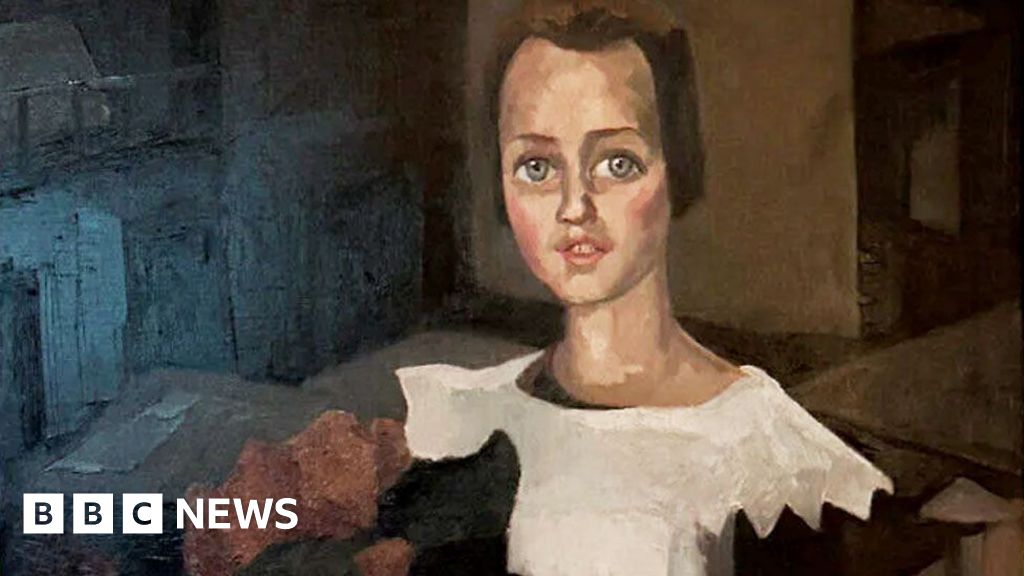
A striking portrait looted by the Nazis from a Jewish art collector during World War II has resurfaced in a highly sensitive context — found in the residence of descendants of a notorious Dutch SS leader. This discovery sheds new light on the enduring legacy of Nazi art theft and the complex challenges of restitution.
The Lost Masterpiece: “Portrait of a Young Girl”
The painting, titled Portrait of a Young Girl, was created by renowned Dutch artist Toon Kelder. For decades, it remained hidden in the home of the family of Hendrik Seyffardt, a Dutch general who infamously collaborated with the Nazis during the war. The artwork’s reappearance was confirmed by celebrated art detective Arthur Brand, who is known for recovering stolen cultural treasures.
Brand reported that the painting was recently handed over to his team for further investigation and eventual restitution. The portrait originally belonged to Jacques Goudstikker, one of the Netherlands’ most prominent Jewish art collectors before the Nazi invasion. Goudstikker fled the country but tragically died while escaping, leaving behind an art collection of more than 1,000 pieces that were confiscated by the Nazis.
A Descendant’s Conscience Sparks the Discovery
The case came to light when a man, identifying himself as a direct descendant of Hendrik Seyffardt, contacted Arthur Brand. He described feeling “disgusted” upon realizing that his family had kept a painting stolen from a Jewish victim for so many years. Motivated by a sense of responsibility, the man confronted his grandmother about the artwork.
According to his account, the grandmother admitted that the painting was purchased during the war and was indeed looted Jewish property taken from Goudstikker. She reportedly warned him that the painting was “unsellable” and urged him not to disclose its provenance. This candid admission highlights how some families guarded looted art as hidden legacies, often shrouded in silence and denial.
Who Was Hendrik Seyffardt?
Understanding the significance of this discovery requires context on Seyffardt’s role during World War II. He was a Dutch general who aligned with Nazi Germany and commanded a volunteer unit of the Waffen-SS fighting on the Eastern Front. His collaboration made him a highly controversial figure, and he was assassinated by Dutch resistance fighters in 1943. The fact that his family retained stolen art intensifies the historical weight of this find.
The Family’s Response and Broader Implications
Following the revelation, the Seyffardt family, who reportedly changed their surname after the war, acknowledged possession of the painting. However, they denied having any knowledge of its origins as looted Jewish property. This defensive stance reflects the broader challenges faced in addressing Nazi-looted art—many families remain unwilling to confront or disclose their collections’ problematic histories.
The recovery of this painting contributes to ongoing efforts to identify, reclaim, and restitute artworks stolen during the Nazi regime. Despite decades passing, thousands of pieces remain missing or hidden in private hands worldwide, making Brand’s work and similar investigations critical in restoring historical justice.
Why This Discovery Matters
This case underscores the persistent shadows cast by Nazi art plunder. It reveals how stolen artworks can remain concealed for generations, often within families tied to collaborationist regimes. The ethical questions raised about inheritance, accountability, and restitution continue to resonate deeply in Europe and beyond.
Moreover, it highlights the vital role of whistleblowers and descendants who choose to confront uncomfortable truths and aid in the recovery process. Their courage can unlock hidden histories and facilitate the return of cultural treasures to rightful heirs or public institutions.
As investigations proceed, the fate of Portrait of a Young Girl will serve as a test case for broader restitution efforts. The discovery prompts reflection on how societies handle the legacies of war, the complexities of historical memory, and the ongoing quest for justice for victims of Nazi crimes.
Full details about the painting’s future restitution and legal proceedings have not yet been released.