

A troubling scene unfolded in County Tyrone, Northern Ireland, where a replica of a mosque was deliberately placed atop a loyalist bonfire pyre. This act has ignited widespread condemnation, with many labeling it a shocking display of racial and religious intolerance.
What Happened: Mosque Replica on Loyalist Bonfire
Each year, loyalist communities in Northern Ireland build large bonfires as part of their traditional celebrations, particularly on the Eleventh Night, which commemorates the Battle of the Boyne. These bonfires often feature symbolic effigies and objects that convey political or sectarian messages. However, this year’s inclusion of a mosque replica has escalated tensions significantly.
The mosque model, representing a place of Muslim worship, was prominently positioned atop the bonfire pyre in a rural area of County Tyrone. This deliberate choice has been widely interpreted as a provocative symbol targeting the Muslim community and fueling sectarian divisions.
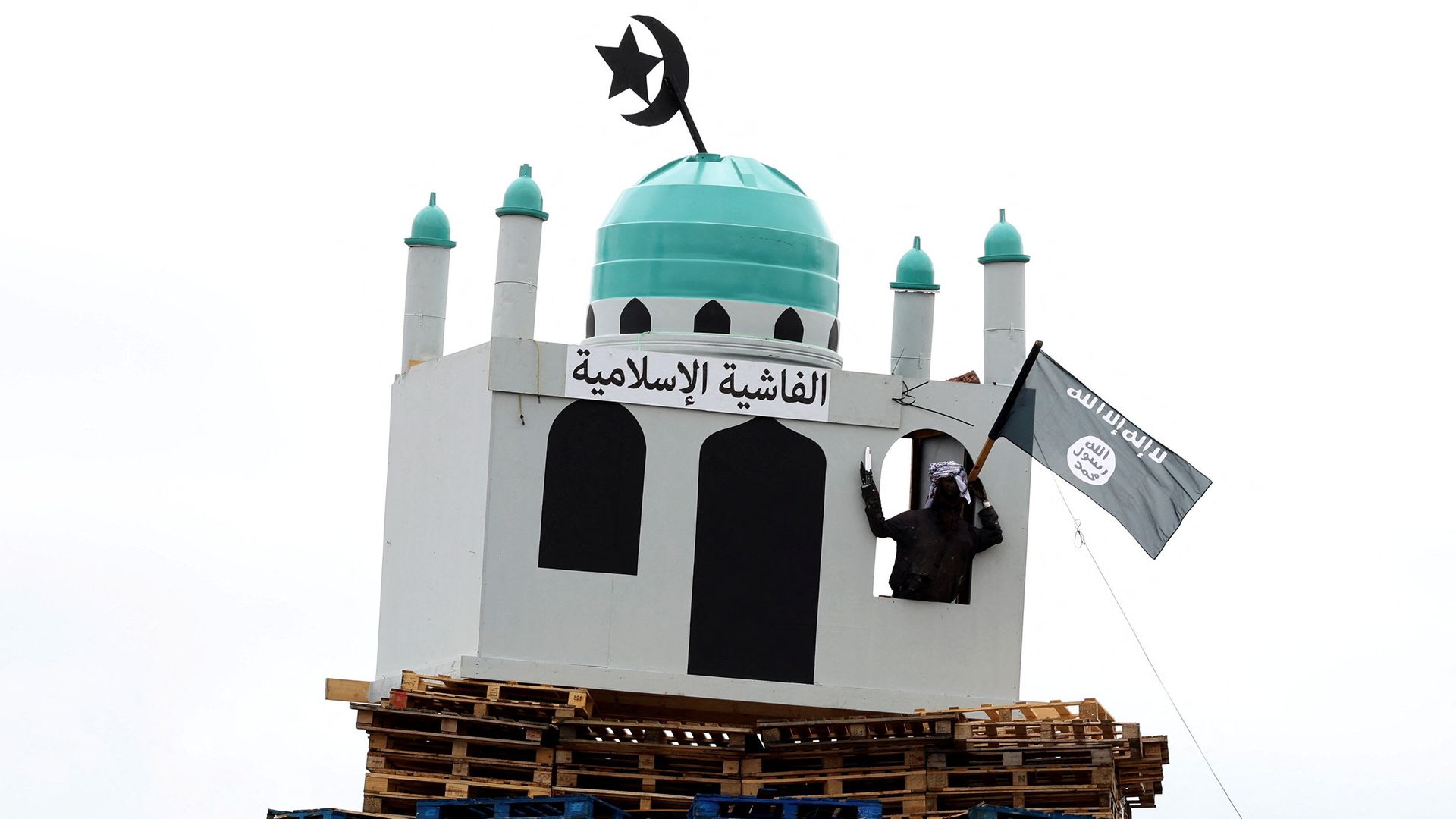
Local authorities and community leaders have expressed strong disapproval of the act. They emphasize that such displays of intolerance undermine the fragile peace and coexistence efforts in a region still healing from decades of sectarian conflict.
Why It Matters: The Broader Implications of Sectarian Symbols
Placing a mosque replica on a loyalist bonfire is not just a local incident; it represents a deeper issue of racial and religious hatred. Northern Ireland’s complex history of sectarian violence primarily involved Protestant and Catholic communities, but this incident highlights the growing challenges faced by other minority groups, including Muslims.
The Muslim population in Northern Ireland has been expanding steadily, contributing to the cultural diversity of the region. Yet, incidents like this bonfire display reveal persistent undercurrents of prejudice and exclusion. Such acts threaten social cohesion and can incite further division and fear among minority communities.
This event has drawn criticism from human rights organizations, religious leaders, and political representatives who warn that racial hatred in any form must be unequivocally condemned. They stress the importance of promoting respect, understanding, and inclusion to prevent the resurgence of hostility that marred Northern Ireland’s past.
What Comes Next: Addressing Sectarian and Racial Intolerance
Authorities in County Tyrone and across Northern Ireland face the critical task of responding firmly to this act. Investigations are underway to identify those responsible, with potential legal consequences for inciting racial hatred or public disorder.
Community engagement programs and educational initiatives are more vital than ever. They aim to foster dialogue between different religious and ethnic groups, dispel myths, and build mutual respect. The inclusion of minority voices in these conversations is essential to crafting a more inclusive society.
Political leaders have been urged to reinforce messages of unity and to condemn divisive symbolism whenever it occurs. The government’s role in supporting anti-racism campaigns and ensuring policing strategies address hate crimes effectively is seen as crucial.
Conclusion: A Call for Respect and Unity
The provocative placement of a mosque replica on a loyalist bonfire in County Tyrone serves as a stark reminder of the ongoing challenges Northern Ireland faces in overcoming sectarian and racial divisions. While loyalist bonfires remain a cultural tradition for many, exploiting such symbols to target minority communities crosses a critical line.
Moving forward, the region must prioritize creating an environment where all faiths and ethnicities feel safe and respected. Only through consistent condemnation of hatred, proactive community dialogue, and inclusive policies can Northern Ireland continue to heal and build a peaceful future for all its residents.