

A massive wildfire has erupted along the Suffolk coast, prompting emergency services to declare a major incident and deploy dozens of firefighters to combat the rapidly spreading blaze. This significant event highlights the growing threat of wildfires in the UK amid changing climate conditions and raises urgent questions about preparedness for such disasters.
What Happened: The Suffolk Wildfire Outbreak
On the Suffolk coastline, a large-scale wildfire broke out, quickly escalating beyond initial containment efforts. Emergency responders declared a major incident to coordinate resources effectively, signaling the seriousness of the situation. Firefighters from multiple units rushed to the scene, tackling flames that threatened both natural habitats and nearby communities.
The wildfire has engulfed vast areas of heathland and grassland, fueled by dry weather and strong winds, which have accelerated the fire’s spread. These conditions have made firefighting efforts especially challenging, requiring a coordinated response involving ground crews and aerial support.
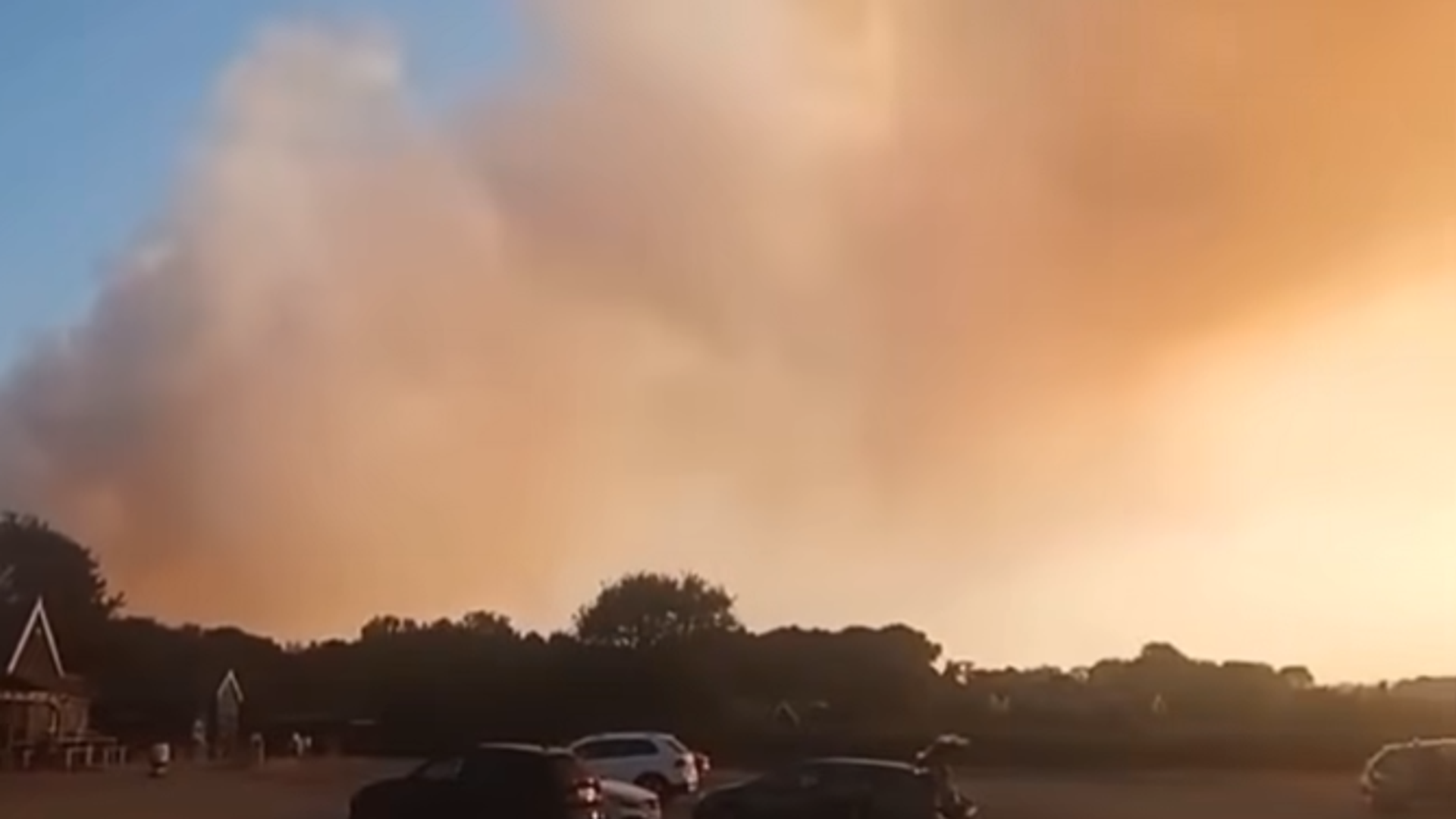
Local authorities have urged residents to stay clear of the affected areas and follow safety instructions, emphasizing the unpredictable nature of the fire and the potential for rapid changes in its behavior. Evacuation orders have not been widely issued yet, but officials remain vigilant given the fire’s intensity and scope.
Why It Matters: The Growing Risk of Wildfires in the UK
This incident is a stark reminder that the UK is facing an increasing risk of wildfires, a phenomenon once considered rare in this region. Experts have warned that climate change is contributing to hotter, drier summers, creating the perfect conditions for such fires to ignite and spread.
The Suffolk wildfire underscores the urgent need for improved wildfire management and preparedness strategies in the UK. Historically, British fire services have focused heavily on urban and residential fire protection, but the rising frequency of wildfires demands a shift in focus towards managing rural and semi-natural landscapes.
Furthermore, the ecological impact of these fires is profound. The natural heathlands and grasslands serve as important wildlife habitats and carbon sinks. Wildfires can destroy these ecosystems, leading to long-term environmental damage and loss of biodiversity.
What Comes Next: Preparing for the ‘New Normal’
Authorities and climate scientists alike warn that incidents like the Suffolk wildfire may become the “new normal” as climate patterns continue to shift. This reality calls for urgent policy responses, increased investment in firefighting resources, and comprehensive public education on wildfire risks.
Local councils are expected to review their emergency plans and increase collaboration with environmental agencies to enhance fire prevention measures. Community awareness campaigns will likely emphasize the importance of reporting fires quickly and adhering to fire bans during dry spells.
On a national level, this event adds pressure on the government to develop a robust framework for wildfire management, including better land use planning and improvements in early warning systems.
For residents living near vulnerable areas like the Suffolk coast, staying informed about fire risks and having evacuation plans in place will be critical moving forward.
Takeaway: Facing the Rising Threat of UK Wildfires
The major wildfire on the Suffolk coast serves as a powerful wake-up call. As wildfires grow in frequency and intensity across the UK, communities, policymakers, and emergency services must adapt rapidly to this emerging challenge. Effective coordination, enhanced resources, and proactive prevention will be essential to safeguard lives, property, and the environment against the flames that now threaten even regions once considered safe.
Full details of the ongoing incident and recovery efforts remain under close monitoring as firefighters continue their battle against the blaze.