

A severe wildfire in North Wales has escalated to a major incident, prompting emergency services to mobilize extensive resources to contain the rapidly spreading blaze. The declaration highlights the unprecedented scale and potential danger posed by the fire, which continues to threaten local communities and the surrounding natural environment.
What Happened: The Wildfire Unfolds
Emergency responders declared a major incident after the wildfire engulfed a substantial area in North Wales, signaling the severity of the situation. Wildfires of this magnitude are rare in the region, where typically cooler and wetter weather conditions limit the spread of such fires. However, recent dry spells and high temperatures have created ideal conditions for the fire to ignite and spread quickly.
The wildfire has consumed vast stretches of heathland and woodland, complicating firefighting efforts. Fire crews from multiple agencies, including local fire and rescue services and environmental response teams, have been deployed to battle the flames. Their priority is to protect residential areas and critical infrastructure while attempting to control the fire’s advance.
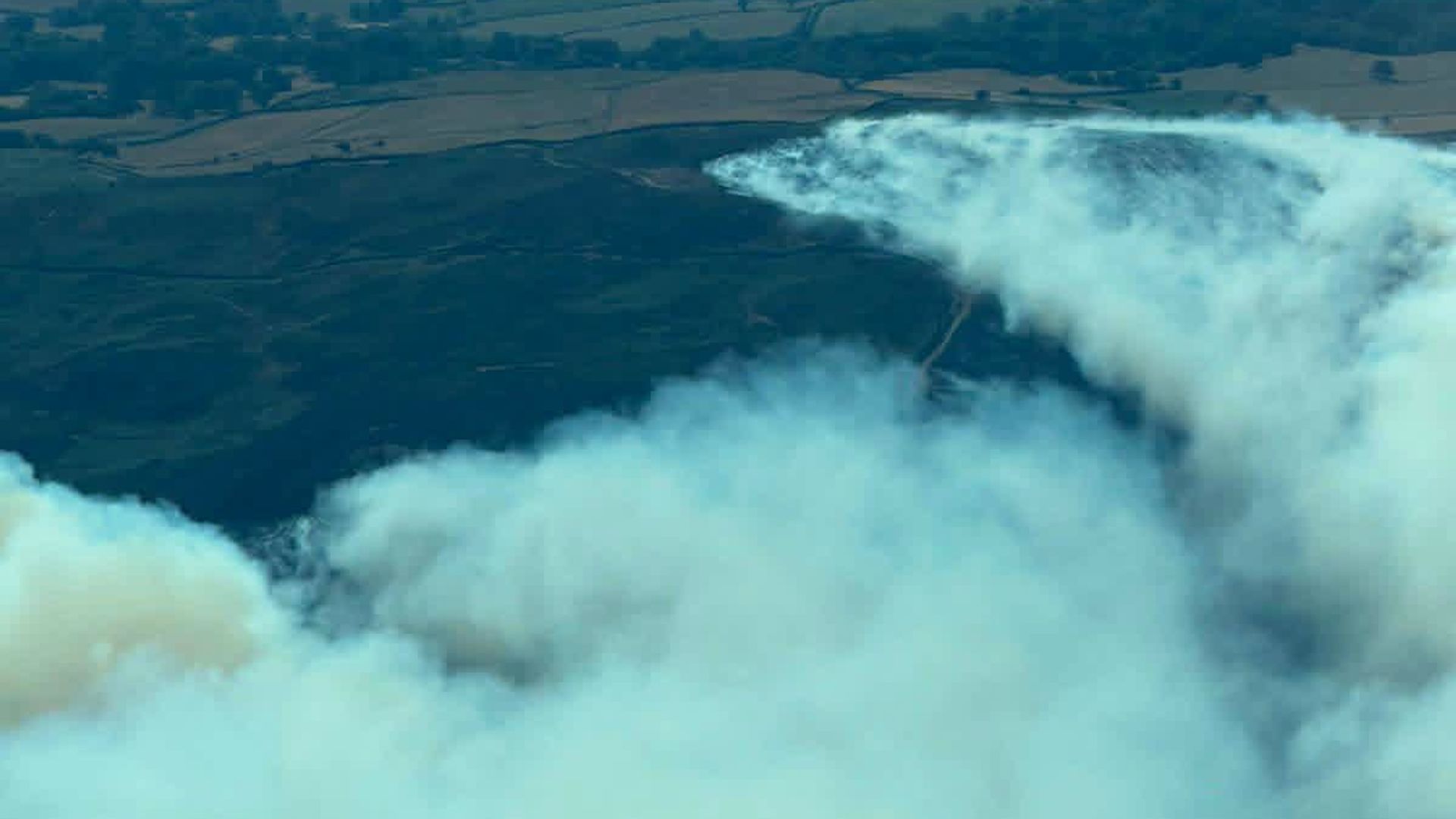
Authorities have issued evacuation warnings for at-risk communities, urging residents to remain vigilant and prepared for possible displacement. Roads in the affected areas have been closed to ensure public safety and allow emergency vehicles unimpeded access to the fire zones.
Why the Wildfire Matters: Environmental and Community Impact
This wildfire poses significant risks not only to human safety but also to the delicate ecosystems of North Wales. The region’s heathlands and forests serve as vital habitats for numerous species of wildlife, many of which are vulnerable to habitat loss caused by fires. The destruction of vegetation also contributes to soil erosion and long-term environmental degradation.
In addition to environmental concerns, the wildfire threatens local economies, particularly those reliant on tourism and agriculture. North Wales attracts visitors year-round for its natural beauty, and widespread fire damage could deter tourism while disrupting farming operations due to smoke, ash, and land damage.
Emergency services have emphasized the importance of public cooperation during this crisis. Residents are advised to follow official guidance, avoid the affected areas, and report any signs of new fires promptly. The incident underscores the growing challenges posed by climate change, which has increased the frequency and intensity of wildfires across the UK.
What Comes Next: Containment and Recovery Efforts
Firefighting teams are employing a range of tactics to control the blaze, including creating firebreaks, deploying water-dropping helicopters, and conducting controlled burns to limit fuel availability. The evolving nature of the wildfire means that containment efforts must adapt continually to changing wind patterns and terrain.
Authorities are working closely with environmental experts to assess the damage and plan for post-fire restoration. Recovery will likely involve replanting native vegetation and rehabilitating wildlife habitats to mitigate the long-term effects of the fire.
Local councils and emergency planners are also reviewing response strategies to improve preparedness for future wildfires, recognizing that such incidents may become more common as climate conditions shift.
Looking Ahead: Lessons and Precautions
The major incident declaration for the North Wales wildfire serves as a stark reminder of the increasing threat wildfires pose to parts of the UK. It highlights the urgent need for robust emergency planning, public awareness campaigns, and investment in fire prevention measures.
Residents and visitors alike must remain informed about wildfire risks and adhere to safety protocols to minimize harm. Meanwhile, policymakers face mounting pressure to address the root causes linked to climate change and environmental degradation to reduce the likelihood of similar disasters in the future.
As firefighters continue their arduous work, the focus remains on safeguarding lives, property, and the unique natural heritage of North Wales. Full details of the incident’s progression and recovery plans will be provided as the situation develops.