

A 36-year-old man has formally admitted to violent disorder following a tense protest in Southampton that erupted into clashes with law enforcement. The demonstration was held in response to the tragic murder of Henry Nowak, and it quickly escalated when the man threw a frying pan at police officers on the scene.
The Incident: From Peaceful Protest to Violence
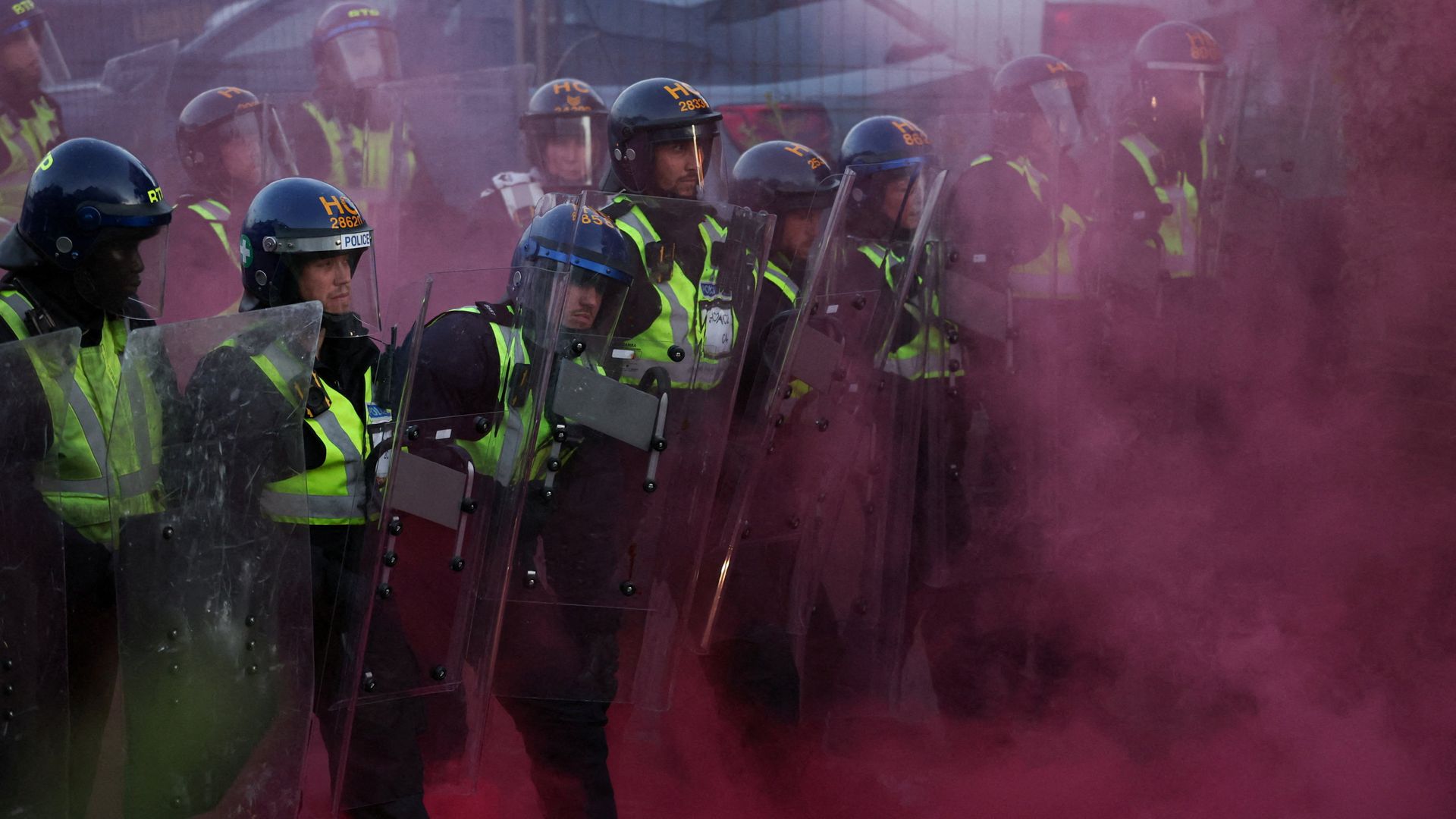
The protest initially began as a peaceful gathering to demand justice for Henry Nowak, whose death has deeply affected the local community. However, tensions rose as the crowd grew, and confrontations between some protesters and police broke out.
Among the most alarming actions was the man’s decision to hurl a frying pan directly at officers attempting to maintain order. This act not only endangered the safety of those involved but also intensified the chaotic atmosphere. Authorities subsequently arrested the individual on charges related to violent disorder.
Context: The Murder of Henry Nowak and Community Response
Henry Nowak’s murder sparked widespread outrage and grief across Southampton. The community has since rallied to call for justice and greater accountability surrounding the circumstances of his death. Public demonstrations like this protest are a reflection of the urgent demand for answers and change.
The presence of law enforcement at these protests aims to balance the right to peaceful assembly with the need to prevent violence and property damage. Unfortunately, incidents like the frying pan attack complicate this delicate balance and risk overshadowing the protest’s core message.
Legal Consequences and Broader Implications
By pleading guilty to violent disorder, the man acknowledges responsibility for actions that disrupted public peace and safety. Violent disorder is a serious offense that carries significant legal penalties, including potential imprisonment, fines, and a criminal record.
This case highlights the challenges police face when managing large-scale protests, especially when emotions run high. It also underscores the importance of maintaining non-violent conduct to ensure that demonstrations remain focused on their goals without descending into chaos.
What This Means Moving Forward
The incident serves as a cautionary tale about the fine line between protest and violence. While the community’s call for justice in Henry Nowak’s case remains paramount, ensuring that demonstrations remain peaceful is critical for constructive dialogue and effective change.
Law enforcement agencies and community leaders must work together to create environments where grievances can be aired safely and respectfully. Meanwhile, individuals participating in protests should be mindful of their actions and the broader impact they have on public perception and the overall cause.
As the legal process unfolds, the focus will return to the core issues surrounding Henry Nowak’s murder and the ongoing pursuit of justice. The hope is that future protests will channel the community’s passion into positive and peaceful advocacy.