

Christopher Trybus, a man accused of the rape and manslaughter of his wife who tragically took her own life, has been found not guilty on all charges. Following a high-profile trial, Trybus emphasized the seriousness of domestic abuse and the importance of supporting victims, even as he maintained his innocence throughout the legal process.

The Trial and Charges Against Christopher Trybus
Trybus, aged 44 and residing in Swindon, Wiltshire, faced a complex and emotionally charged trial at Winchester Crown Court. He was charged with causing the death of his wife, Tarryn Baird, who died by suicide in November 2017 at the age of 34. Alongside the manslaughter accusation, Trybus faced two counts of rape and a charge of controlling and coercive behaviour.
Throughout the proceedings, Trybus denied all allegations. He argued that the claims made by Baird stemmed from her mental health struggles, including a likely diagnosis of post-traumatic stress disorder (PTSD). This diagnosis was linked to her traumatic experiences witnessing violent car-jackings in South Africa, where the couple had originally grown up. Trybus also pointed out that he was out of the country during some of the alleged incidents.
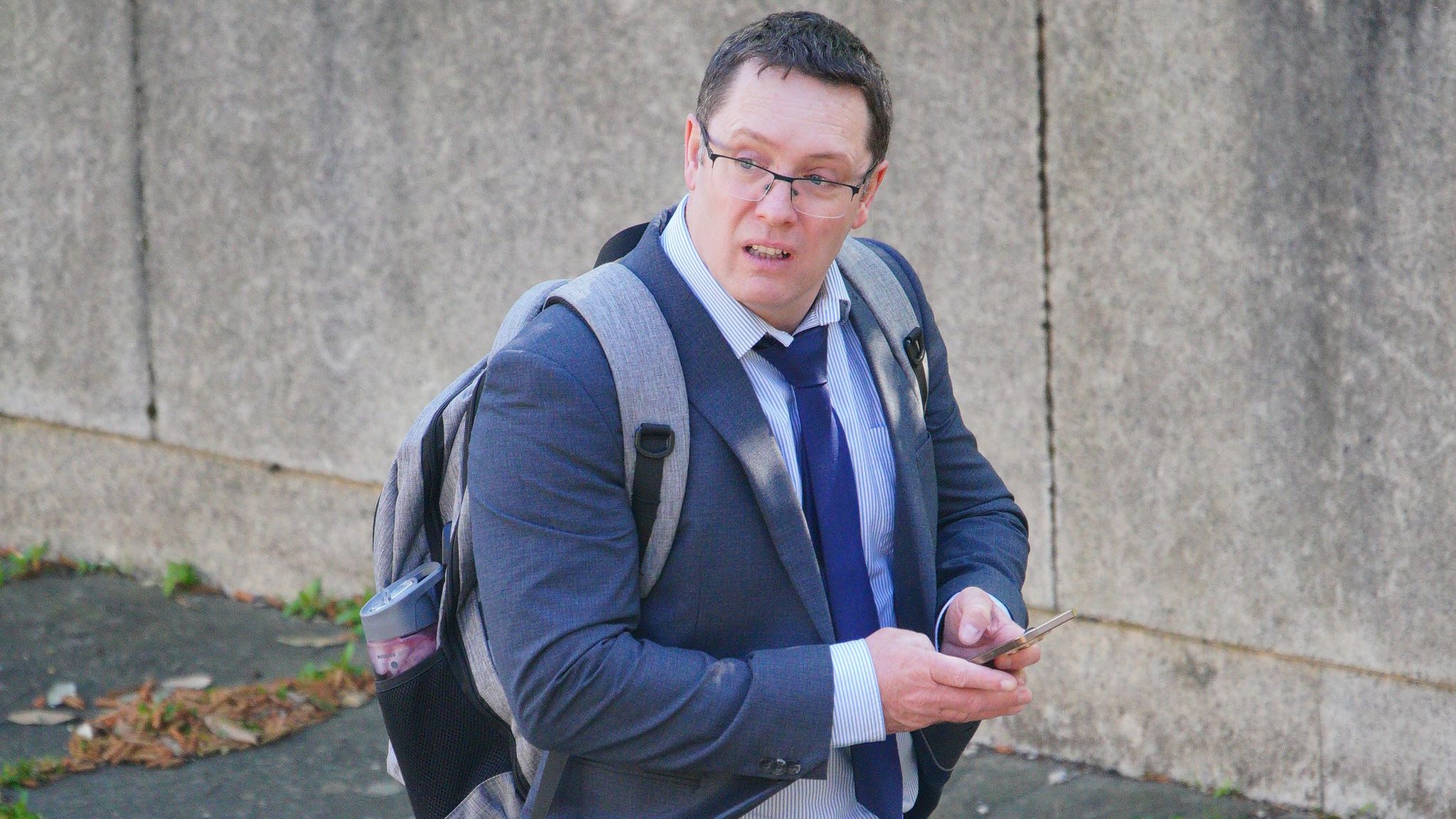
The trial marked a significant moment, as it was the first case of its kind in England and Wales involving accusations of this nature connected to a spouse’s suicide. The presiding judge, Mr Justice Linden, acknowledged the difficulty and gravity of the case, commending the jury for their careful and thoughtful deliberations under emotionally taxing circumstances.
Trybus’s Response and Reflections After Verdict
After the jury delivered the verdict of not guilty on all counts, Trybus spoke candidly outside the courthouse. Accompanied by his current wife, he expressed relief that the jury had thoroughly weighed the evidence and reached what he believes was the correct outcome.
“After three police investigations spanning over a decade, I’m relieved the jury carefully considered all the evidence and reached the correct verdict today,” Trybus said. He extended heartfelt thanks to his family, friends, and legal team for their unwavering support throughout the difficult ordeal.
Trybus acknowledged the profound impact the trial and accusations had on his life and those closest to him, describing the experience as “incredibly difficult.” Despite his own relief, he took a moment to underline the reality and severity of domestic abuse.
“Domestic abuse is a very real and serious issue, and victims must always be supported,” he stressed. “Right now, I will focus on moving forward and rebuilding my life with my family.”

Reflecting on his late wife, Trybus conveyed the emotional complexity of the situation. “It’s such a complex feeling. I loved her dearly, yet she made these allegations. At no point has any of it ever happened,” he told the court during the trial. “I am upset that she said these things, but she is not here, so I can’t be upset with her. It’s not something I can put into words.”
Why This Case Matters
This case highlights the intricate challenges courts face when dealing with allegations of abuse in the context of mental health and tragic outcomes like suicide. It also underscores the vital importance of supporting victims of domestic abuse while ensuring that justice is served based on careful evaluation of evidence.
For many families, the ordeal of navigating accusations intertwined with personal tragedy can be devastating. The Trybus case serves as a stark reminder of the need for sensitive, thorough investigations and the complexities involved when mental health issues intersect with legal proceedings.
Moreover, it emphasizes the critical societal responsibility to address domestic abuse openly and compassionately, ensuring victims receive the support they need, while maintaining a fair and just legal process.
Looking Forward
As Christopher Trybus and his family seek to rebuild their lives after a decade-long ordeal, the broader conversation around domestic abuse and mental health continues. The case leaves open important questions about how justice systems can better handle similar situations in the future and how communities can strengthen support networks for both victims and families affected by such tragedies.
With the verdict delivered, attention now turns to healing and preventing further loss, reminding everyone that domestic abuse remains a critical issue demanding ongoing awareness, intervention, and care.