

The discovery of a man’s body in a Bronze Age stone circle within the Peak District has prompted authorities to launch a full-scale murder investigation. Described by investigators as a “most brutal” killing, this grim finding has shocked the local community following a recent summer solstice event held near the ancient site.
The Crime Scene: A Historic Stone Circle Turned Tragic
The victim was discovered at a prehistoric stone circle, an area known for its historical significance and cultural heritage. These ancient stone formations, dating back thousands of years, often attract visitors during solstice celebrations due to their alignment with celestial events. The presence of the body at such a location not only raises serious criminal concerns but also casts a shadow over an event that typically celebrates light and renewal.
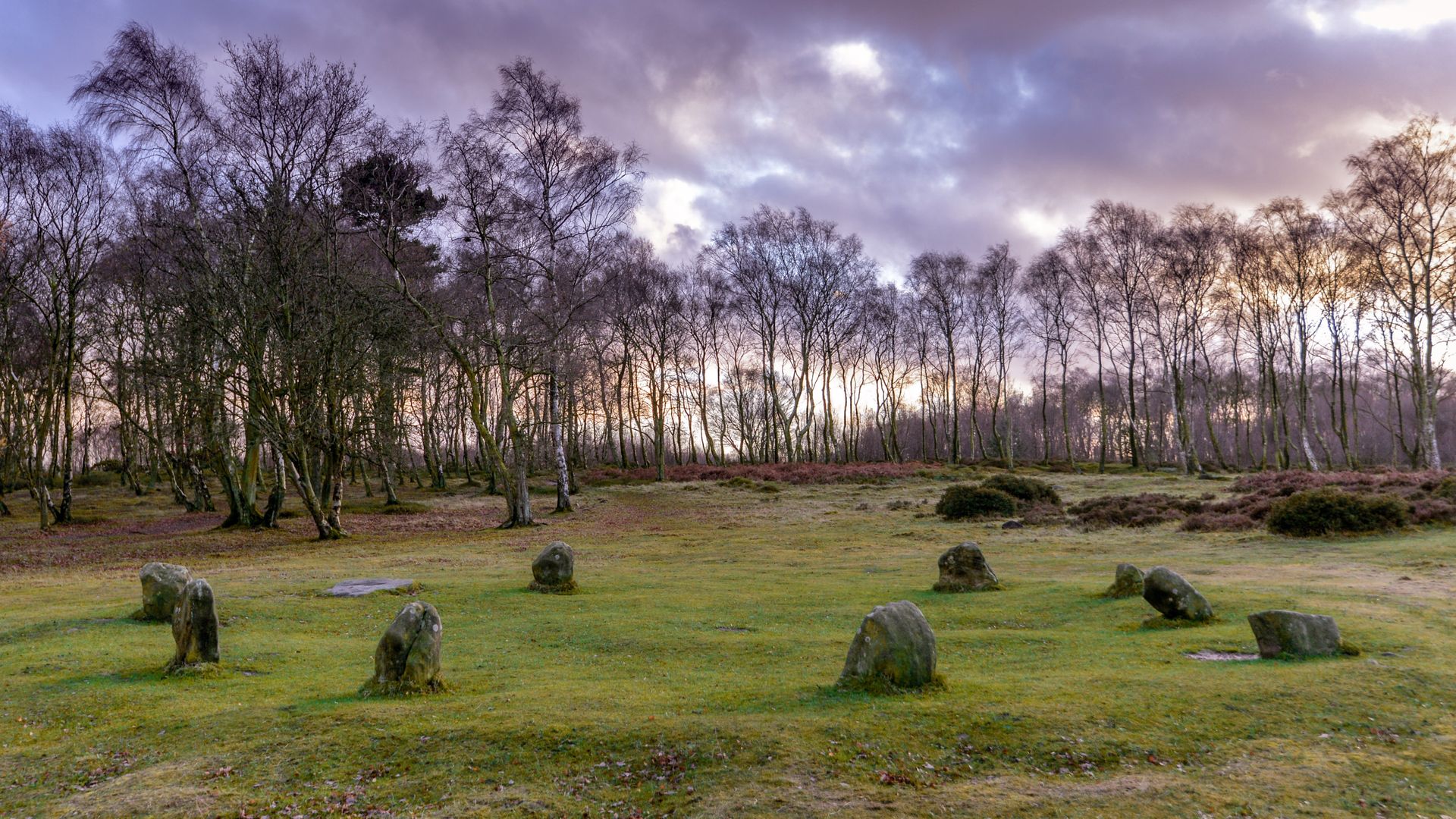
Local authorities have confirmed the man’s death resulted from violent assault, marking the incident as a homicide. The severity of the attack has been described by police as exceptionally savage, underscoring the urgency of the investigation. While the identity of the victim has not yet been publicly disclosed, ongoing efforts aim to establish his connections and last known whereabouts.
Investigation Underway: Police and Forensic Teams Mobilize
The police have cordoned off the site, working alongside forensic teams to collect evidence that could shed light on the circumstances leading to the killing. Given the sensitivity of the location—a protected archaeological site—investigators face the dual challenge of preserving historical integrity while conducting an exhaustive criminal inquiry.
Detectives are exploring multiple leads, including potential witnesses from the recent summer solstice gathering. Such events often bring together large crowds, increasing the likelihood of eyewitness testimonies that could prove crucial. Authorities are appealing to anyone who attended the solstice celebration or who may have seen suspicious activity in the area to come forward with information.
Why This Murder at a Solstice Event Matters
This incident transcends typical criminal cases due to its setting and timing. The summer solstice, celebrated worldwide for its symbolic significance marking the longest day of the year, typically fosters communal harmony and cultural appreciation. A violent death occurring during such an event disrupts this narrative, raising questions about security and community safety at public gatherings in remote historic sites.
The Peak District, renowned for its natural beauty and archaeological landmarks, has long been a destination for tourists and spiritual practitioners alike. This murder not only endangers the sense of safety but also threatens to deter visitors who seek to experience the region’s heritage peacefully.
Moreover, the use of the term “most brutal” by investigators highlights the extreme nature of the violence, suggesting a crime of passion or premeditation rather than an accidental or random act. Understanding the motive behind this killing will be key to preventing future tragedies in similar settings.
What Comes Next: Community Impact and Ongoing Efforts
As the investigation continues, local officials are likely to review security measures for future events at historic sites to ensure public safety. Meanwhile, the community grapples with the shock of violence in a place associated with ancient traditions and natural tranquility.
Law enforcement remains committed to uncovering the full story behind this murder. The collaboration between police, forensic experts, and the public will be vital in bringing justice to the victim and restoring confidence in the safety of cultural events.
Takeaway: The tragic death of a man at a Bronze Age stone circle during a summer solstice event in the Peak District underscores the need for heightened vigilance at public gatherings, especially in remote or historic locations. As the investigation unfolds, it serves as a stark reminder that even places steeped in history and celebration can become scenes of profound human tragedy.