

A towering blaze erupted at a recycling centre in south London, triggering significant disruption across key rail routes and unsettling commuters throughout the area.
What Happened at the Recycling Centre?
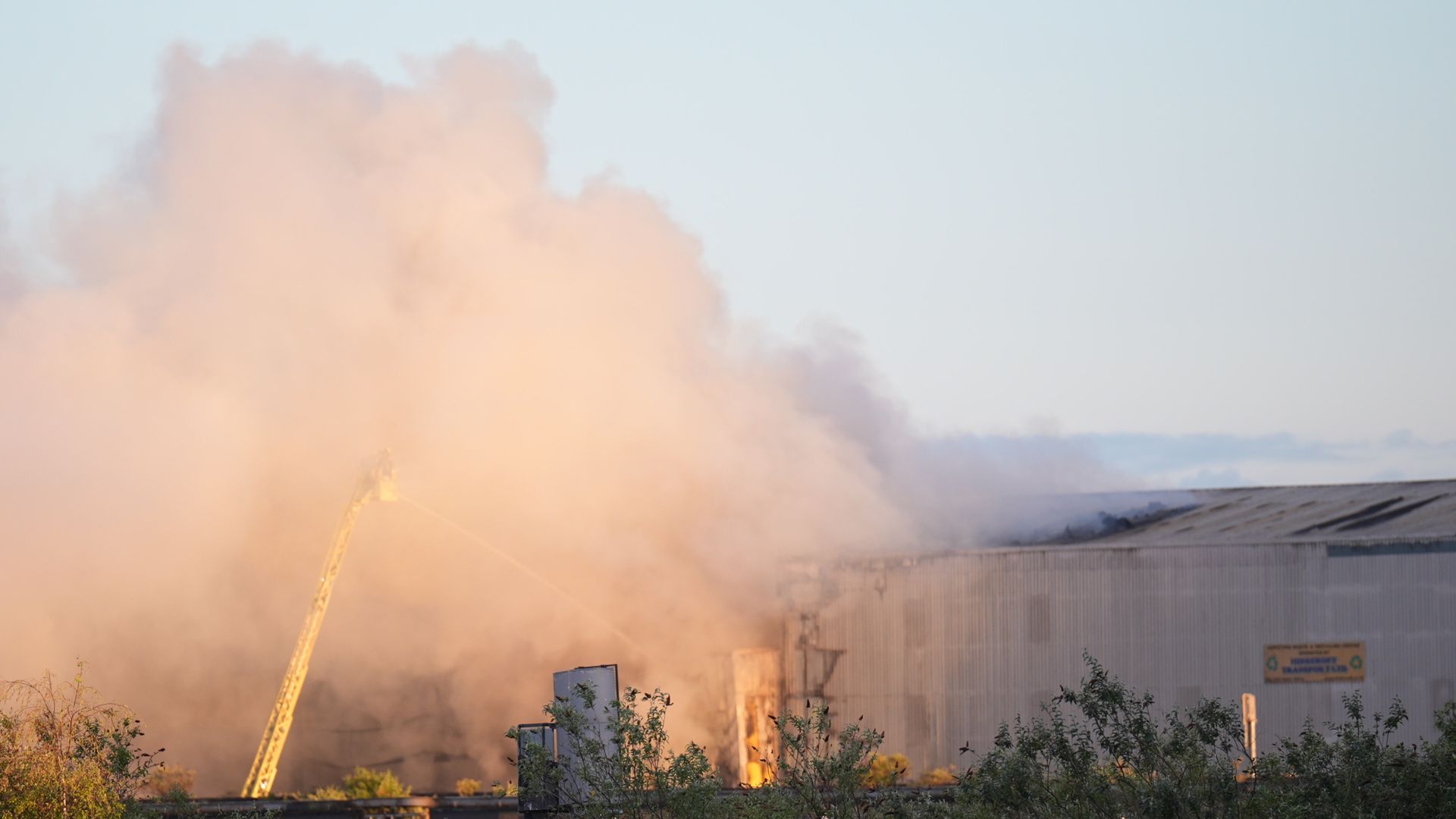
In the early hours, flames engulfed a large recycling facility located in the south of London. The fire quickly intensified, producing thick plumes of smoke visible for miles. Firefighters rushed to the scene, battling the inferno amid challenging conditions due to the volume of combustible waste stored on-site.
The recycling centre processes vast amounts of materials daily, including plastics, paper, and metals. Such sites can become hazardous when fires break out, given the highly flammable nature of accumulated recyclables and potential chemical residues. Emergency services worked tirelessly to contain the blaze and prevent it from spreading to nearby buildings or green spaces.
Rail Travel Disruptions and Impact on Commuters
The fire’s proximity to critical rail infrastructure caused immediate consequences for south London’s transport network. Smoke and safety concerns forced authorities to temporarily suspend services on several key rail lines passing near the recycling centre. Commuters faced delays, cancellations, and overcrowded replacement bus services during peak travel hours.
Transport officials advised passengers to seek alternative routes and allowed extra time for journeys while crews assessed the damage and ensured tracks were safe. The disruption highlighted the vulnerability of transport systems to unexpected emergencies in urban industrial zones.
Why This Incident Matters
Fires in recycling centres pose serious challenges, not only due to environmental hazards but also because of their ripple effects on daily life and infrastructure. Recycling facilities are vital for sustainable waste management and reducing landfill dependence. However, their complex material storage and processing can increase the risk of fires, especially if safety protocols are insufficient or equipment malfunctions.
Moreover, this incident underscores the importance of coordinated emergency response between fire services, local authorities, and transport operators to minimize public impact. Quick containment prevented further escalation, but the event serves as a reminder of the potential disruptions industrial fires can cause in densely populated urban centers.
Authorities have launched an investigation to determine the fire’s cause and evaluate safety standards at the recycling centre. Meanwhile, cleanup operations and rail repairs continue, aiming to restore normal service as swiftly as possible.
Looking Ahead: What This Means for South London
The disruption caused by the recycling centre fire highlights the need for ongoing investment in infrastructure resilience and emergency preparedness. As cities grow and industrial sites operate closer to transport corridors and residential areas, the risk of similar incidents will remain a concern.
Residents and commuters can expect heightened safety measures and possible reviews of operational protocols at recycling facilities across London. The incident also opens dialogue on balancing industrial activity with urban safety and environmental health.
Ultimately, the rapid response exemplifies the dedication of emergency teams and the importance of coordinated action during crises. While the immediate effects of the fire have been severe, lessons learned will contribute to stronger safeguards and improved response strategies in the future.
Full details about the fire’s cause and the extent of damage are still being gathered as investigations proceed.