

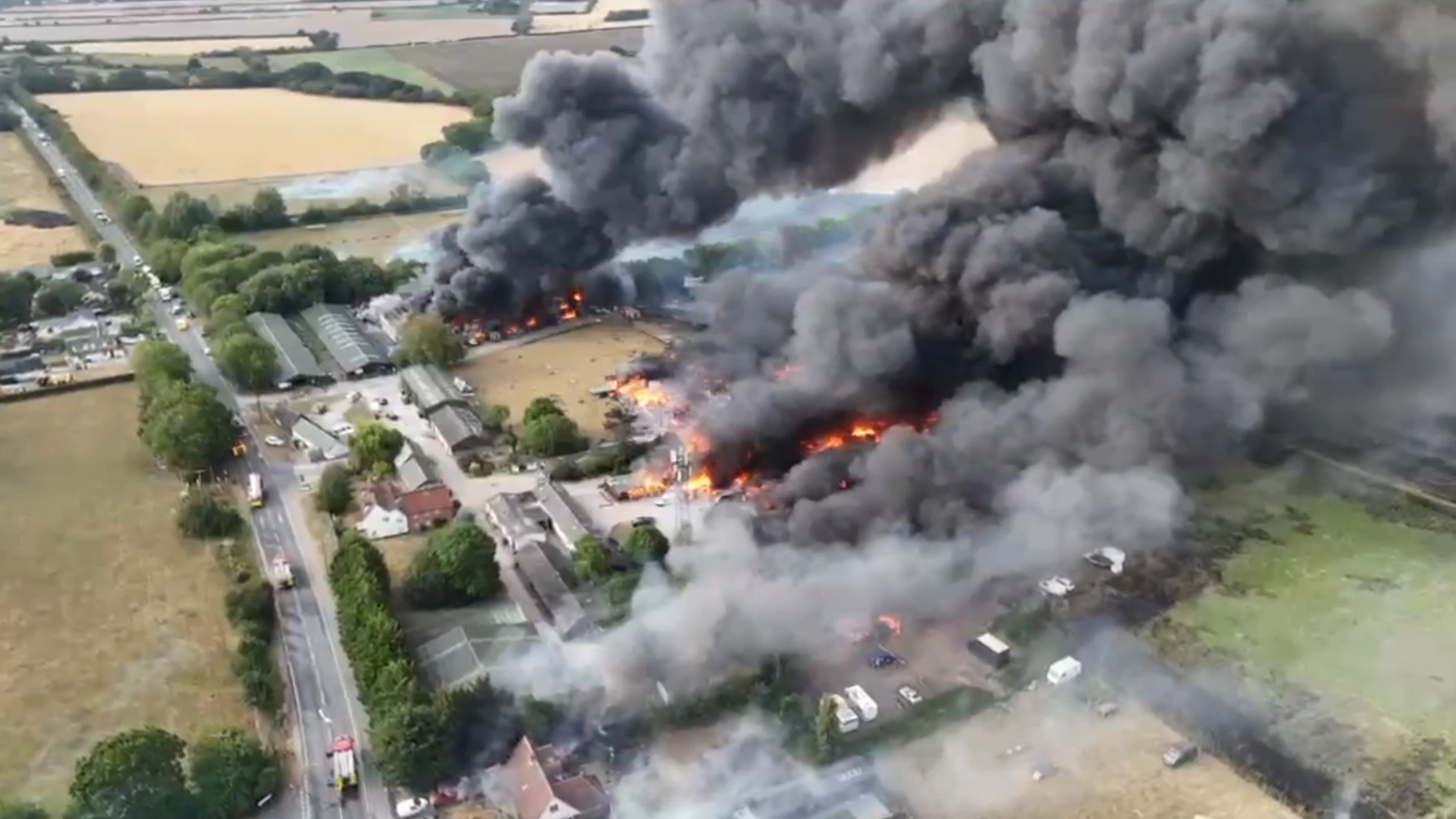
A fierce fire broke out at a large industrial facility in Essex, triggering multiple explosions as stored fertiliser supplies ignited. The intense blaze demanded an extraordinary emergency response, with more than 100 firefighters deployed to contain the situation and prevent further devastation.
What Happened: The Scale and Impact of the Fire
The incident occurred at a substantial industrial unit, where fertiliser — a highly combustible material — was stored in large quantities. Once the fire reached these supplies, several explosions followed, significantly escalating the danger and complexity of the firefighting efforts. These explosions not only intensified the flames but also posed severe risks to nearby buildings and residents.
Fire crews worked tirelessly under hazardous conditions to bring the fire under control. Their swift response was crucial in preventing the blaze from spreading to adjacent industrial sites or residential areas. The scale of the emergency was unprecedented in the region, prompting coordination between multiple fire stations and emergency services.
Why It Matters: The Risks of Industrial Fires Involving Fertiliser
Fertiliser fires represent a serious hazard due to the chemical composition of many fertilisers, which can act as oxidisers and fuel explosive reactions when exposed to high heat. Such incidents can lead to catastrophic explosions, threatening lives, infrastructure, and the environment.
Essex’s industrial sector includes numerous facilities handling chemicals and fertilisers, underscoring the importance of stringent safety protocols and rapid emergency responses. The recent fire highlights vulnerabilities in managing industrial hazards and the necessity for ongoing risk assessments and preparedness measures.
What Comes Next: Investigations and Safety Measures
Authorities have launched a thorough investigation to determine the exact cause of the fire and the factors that led to the fertiliser explosions. Understanding these elements will be vital to preventing similar emergencies in the future.
Meanwhile, local officials are assessing the environmental impact of the blaze, including potential contamination from chemical runoff or airborne pollutants. Firefighters and emergency responders continue to monitor the site to ensure the fire is fully extinguished and that no residual hazards remain.
Businesses in the area are reviewing their safety protocols, especially those dealing with hazardous materials. This incident serves as a stark reminder of the critical importance of fire safety standards, emergency planning, and swift inter-agency coordination in industrial settings.
Takeaway: Lessons from a Dangerous Blaze
The Essex industrial fire demonstrates the devastating consequences when combustible materials like fertiliser catch fire on a large scale. Thanks to the heroic efforts of over 100 firefighters, the situation was contained before escalating into a wider catastrophe.
However, this event underscores the ongoing risks inherent in industrial operations involving hazardous substances. It calls for renewed vigilance, improved safety measures, and comprehensive emergency response plans to protect communities, workers, and the environment from similar future incidents.