

The Metropolitan Police officer involved in the fatal shooting of Chris Kaba now faces a significantly reduced risk of misconduct proceedings, following recent changes in government regulations. This development has sparked renewed debate over police accountability and the legal frameworks governing officer conduct in the UK.
Background: The Chris Kaba Incident and Its Aftermath
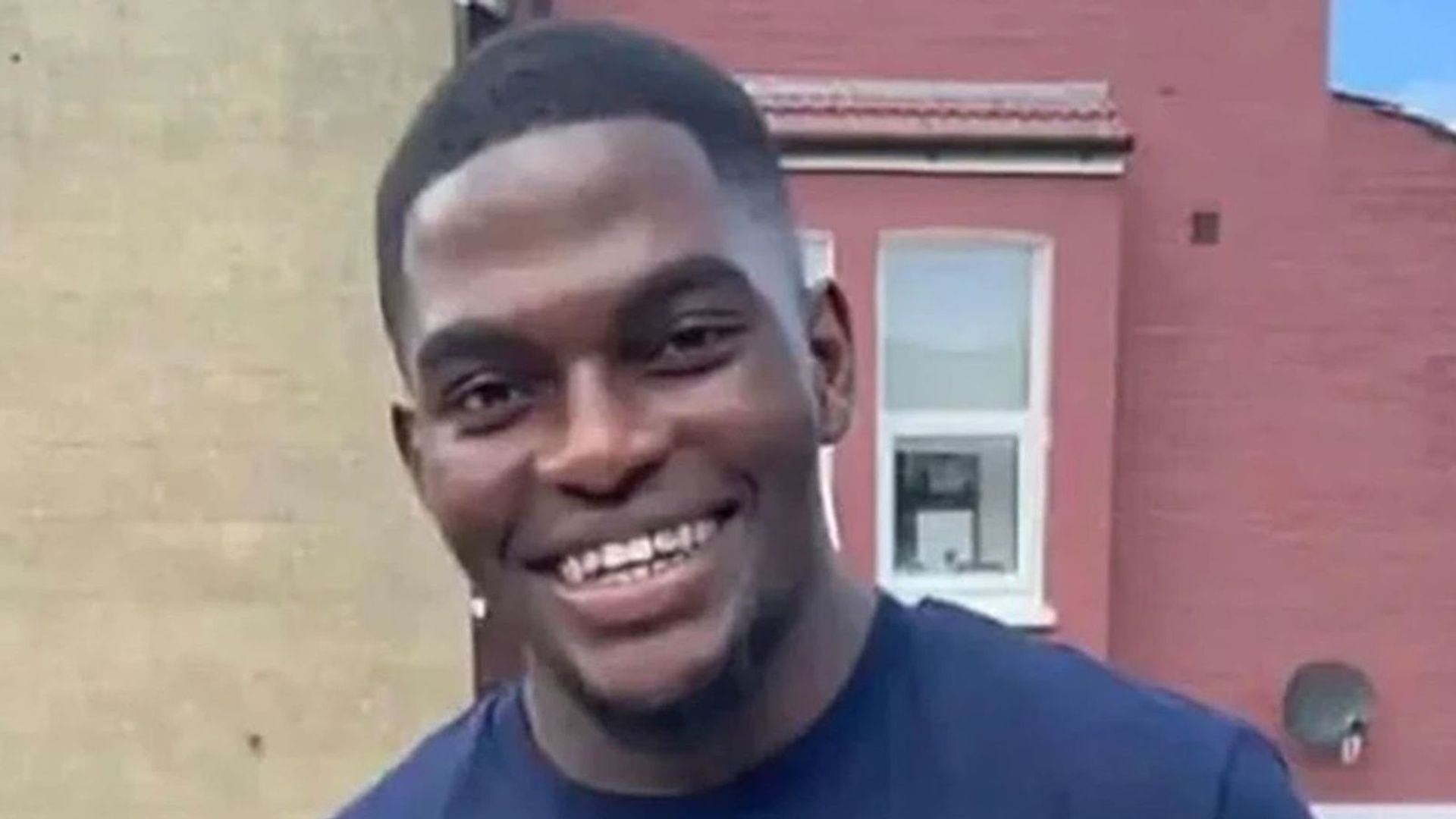
Chris Kaba, a Black man, was fatally shot by a Metropolitan Police officer during an armed response operation. The incident sent shockwaves through London and reignited discussions about police use of force, particularly in encounters involving firearms. The officer involved was initially subject to an investigation, as is standard procedure in cases involving police shootings.
However, new government regulations have altered the landscape for how police misconduct is addressed. These changes are now limiting the scope of disciplinary action that can be taken against officers in incidents like the Kaba shooting.
New Government Regulations and Their Impact
The recent regulatory changes stem from a government effort to reform police accountability processes. Under the updated rules, certain actions taken by officers during operations may no longer lead to misconduct proceedings if they are deemed to have been carried out in the course of duty and in line with revised legal standards.
For the Metropolitan Police officer who shot Chris Kaba, this means that the likelihood of facing formal misconduct charges has diminished substantially. The new framework emphasizes the context of police decision-making in high-pressure situations, granting officers broader protection when using force deemed necessary.
Critics argue that these regulations might weaken accountability mechanisms, making it harder to hold officers responsible in cases involving serious harm or death. Proponents, however, claim the changes provide clarity and legal certainty for officers who must make split-second decisions in life-threatening scenarios.
Why This Matters: Accountability and Public Trust
The decision that an officer is unlikely to face further action after a fatal shooting raises profound questions about justice and transparency within UK policing. For many community members, especially those disproportionately affected by police violence, this outcome may deepen feelings of mistrust toward law enforcement institutions.
Chris Kaba’s death has become a focal point for broader concerns about racial bias, use of force policies, and the effectiveness of oversight bodies like the Independent Office for Police Conduct (IOPC). The IOPC typically investigates police shootings to determine whether misconduct or criminal behavior occurred, but the new regulations could curtail the consequences for officers.
This shift in regulatory approach occurs against a backdrop of ongoing calls for police reform and systemic change. The balance between protecting officers in dangerous situations and ensuring accountability for excessive or unlawful force remains a contentious issue.
What Comes Next: The Road Ahead for Police Oversight
While misconduct proceedings may be unlikely, other investigative and legal processes could still unfold. Criminal investigations, inquests, or civil litigation might continue to examine the circumstances of Chris Kaba’s death. These mechanisms provide alternative paths for seeking justice and clarifying facts.
Moreover, public pressure and advocacy groups are expected to maintain scrutiny on the Met Police and government policies. Calls for greater transparency, improved training on de-escalation, and reforms to use-of-force guidelines persist as priorities in the wake of the shooting.
The case underscores the complexity of policing in modern society, where officers must navigate difficult decisions under intense scrutiny. How regulations evolve to balance officer protections with community safety and rights will shape UK policing for years to come.
Conclusion: Navigating Justice and Accountability in Policing
The likelihood that the Metropolitan Police officer involved in Chris Kaba’s fatal shooting will not face misconduct proceedings highlights a critical juncture in police oversight. It reflects changing legal standards but also raises urgent questions about justice for victims and the communities they come from.
As the debate continues, ensuring accountability while supporting effective policing remains a delicate challenge. The outcome of this case—and the regulatory environment surrounding it—will significantly influence public trust in law enforcement and the future direction of police reform in the UK.