Mexico’s government has scrapped plans to end the school year over a month early, after facing strong backlash from parents worried about educational disruption and childcare challenges. The initial decision aimed to alleviate traffic congestion during the upcoming FIFA World Cup and manage an anticipated intense heatwave, but concerns from families prompted a swift policy reversal.
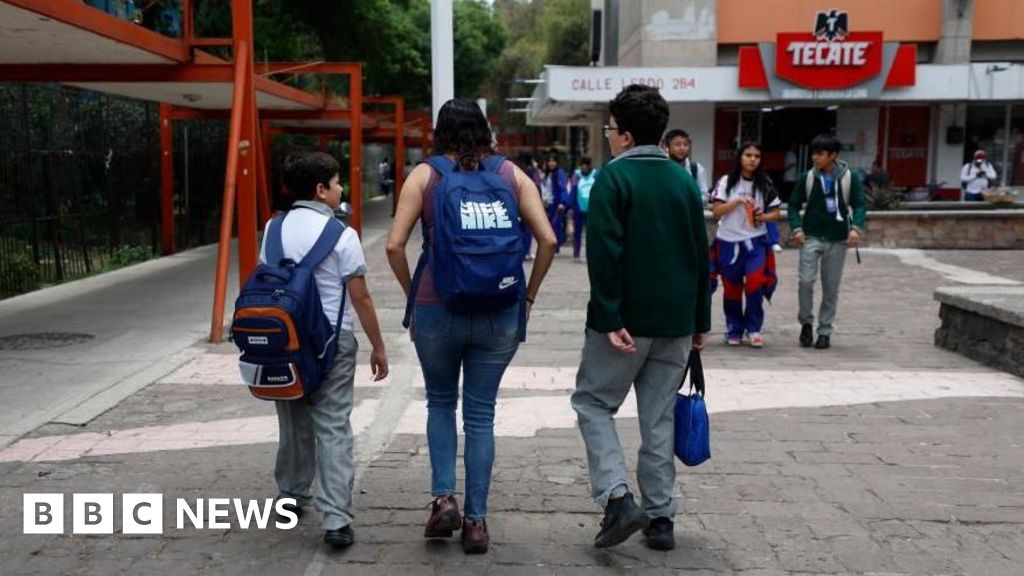
Original Plan to End School Early Sparks Public Outcry
Mexico is set to co-host the 2026 FIFA World Cup alongside the United States and Canada, with the tournament running from June 11 to July 19. In early May, Education Minister Mario Delgado announced that the school year would conclude on June 5, more than a month earlier than usual. The rationale was to reduce traffic congestion around World Cup events and to protect students from an expected extraordinary heatwave.
This unexpected announcement immediately caused widespread concern among parents and educators. The National Union of Parents condemned the move, calling it “inexcusable” to cut the school year short and explicitly citing the World Cup as the reason. Many families expressed frustration over the disruption to their children’s studies and the logistical nightmare of arranging childcare for an extended unscheduled break.
Impact on Families and Students
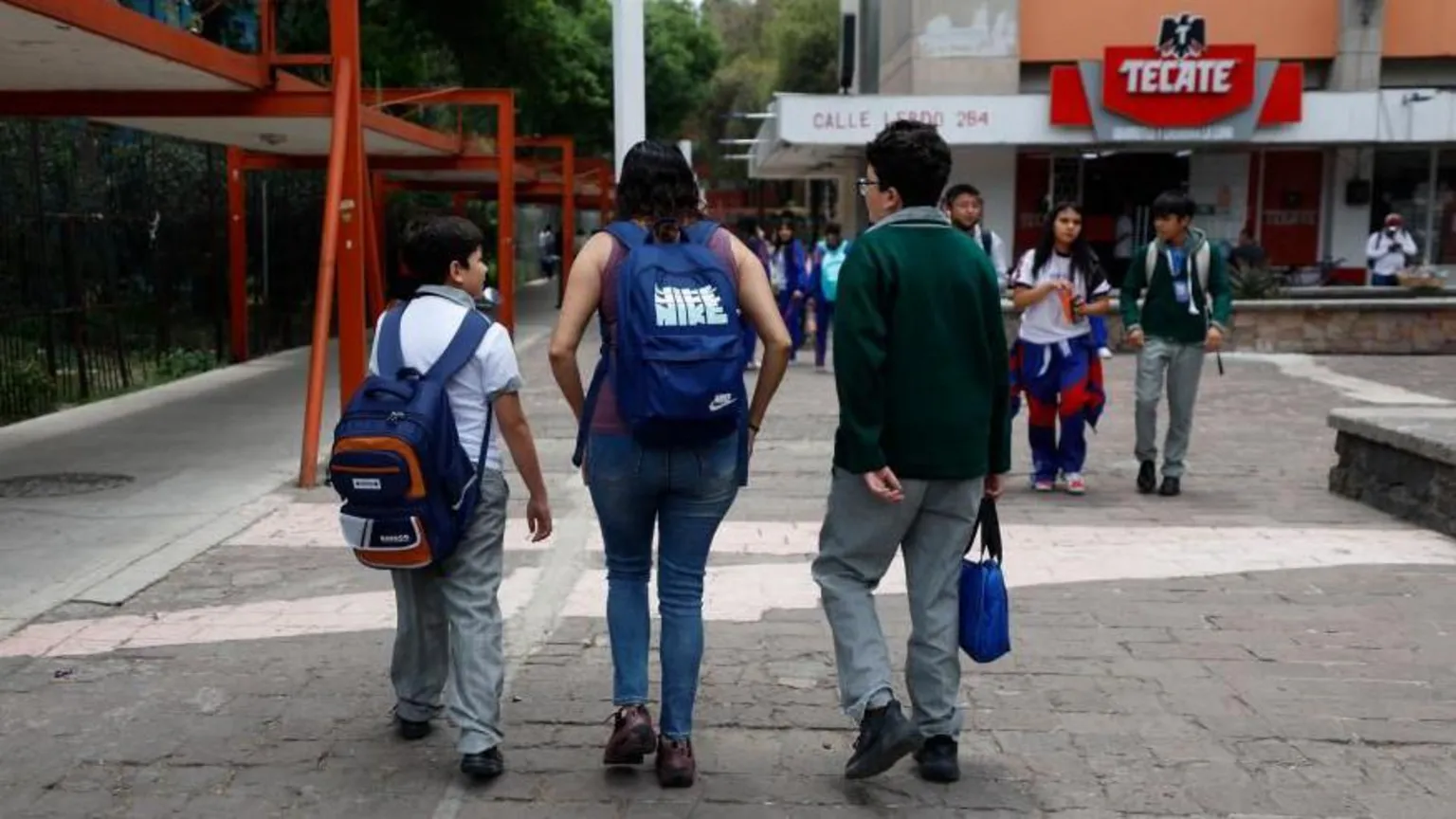
The prospect of finishing classes more than a month early threw many households into turmoil. Parents worried about maintaining their children’s academic progress while simultaneously scrambling to find reliable childcare solutions for the unexpected holiday period. The sudden change threatened to unsettle students preparing for final exams and crucial assessments, raising questions about educational quality and fairness.
Schools and teachers also faced uncertainty. Many had to reconsider lesson plans, assessments, and end-of-year activities on short notice. The broader educational community voiced concerns about the precedent such a decision could set, especially when tied to an international sporting event rather than educational priorities.
The Government’s U-Turn and What Comes Next
Following intense public pressure, the Mexican government reversed its decision. Classes will now officially end on July 15, closer to the usual school calendar and well after the originally proposed early finish date. This move aims to balance the logistical challenges posed by the World Cup and heatwave with the educational and childcare needs of families.
The reversal underscores the government’s responsiveness to public opinion and highlights the challenges of coordinating major international events with domestic policies. The education ministry has not detailed any further contingency plans but is expected to work closely with local authorities to manage traffic and heat concerns during the tournament without compromising school schedules.
Why This Matters
The initial decision and subsequent reversal reveal the complex pressures governments face when hosting global events like the FIFA World Cup. While managing infrastructure and public safety during such events is critical, ensuring that educational commitments and family stability are not compromised remains equally important.
Mexico’s experience highlights the delicate balancing act of planning around major sporting spectacles and environmental challenges without disrupting essential services. It also demonstrates the power of community advocacy in influencing policy decisions that affect daily life.
As the 2026 FIFA World Cup approaches, Mexican authorities will need to continue navigating these competing demands carefully, ensuring that students, parents, and the broader public can enjoy the tournament without sacrificing academic integrity or family wellbeing.
Full details on any further adjustments to the school calendar or related policies have not yet been released.