Argentina’s President Javier Milei has reaffirmed his country’s longstanding claim over the Falkland Islands following a significant legal setback. An international court recently dismissed Argentina’s attempt to halt oil exploration activities near the disputed islands, a move that has intensified tensions between Argentina and the United Kingdom.
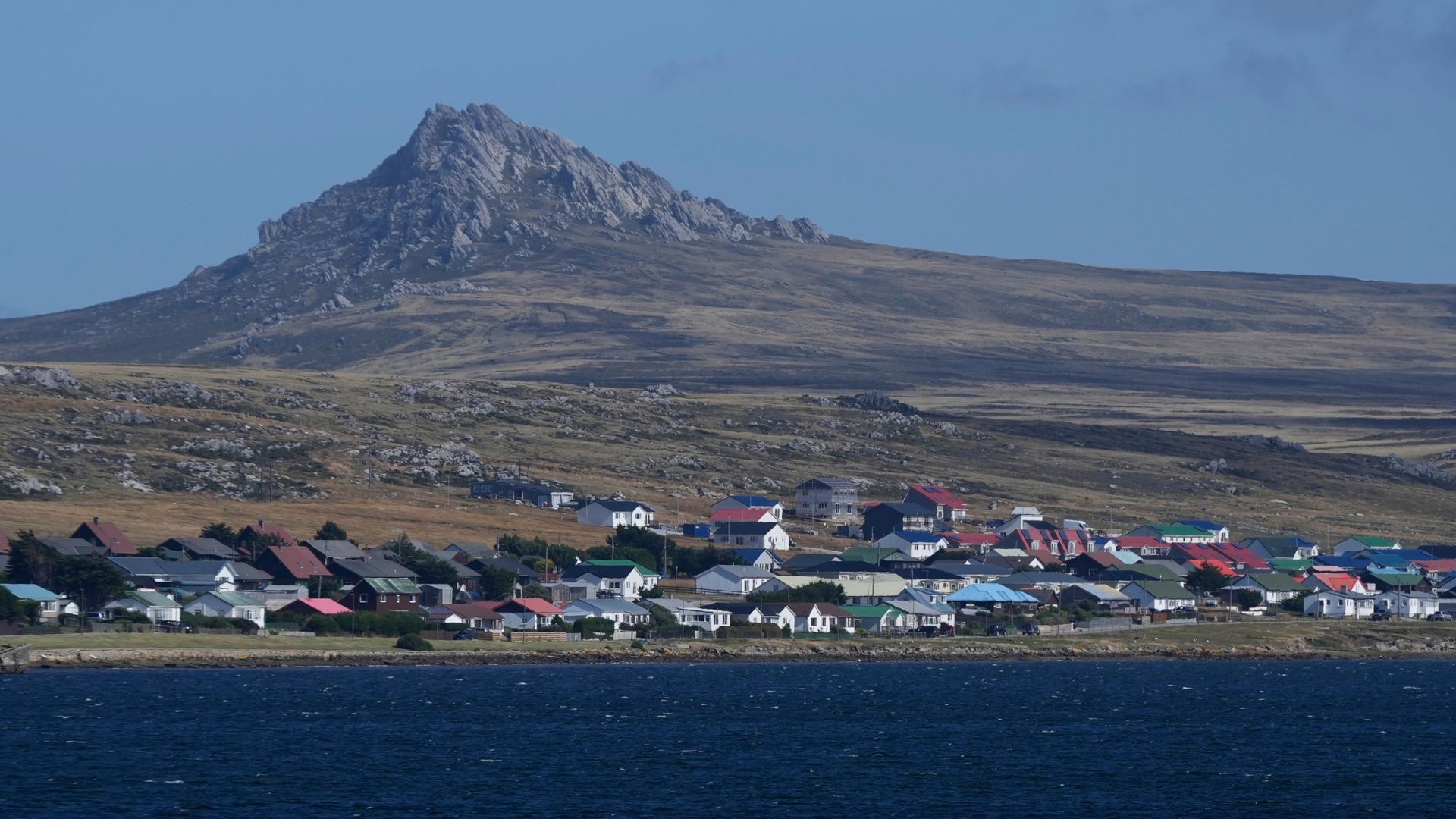
The Court Decision and Its Implications
The international tribunal’s rejection of Argentina’s request to block oil drilling around the Falklands represents a critical moment in the ongoing sovereignty dispute. The islands, known as the Malvinas in Argentina, have been a point of contention since the early 19th century, with both Argentina and the United Kingdom asserting control.
Argentina’s bid to stop oil exploration was based on its claim that such activities violate its territorial rights. However, the court’s ruling favored the status quo, allowing oil companies backed by the UK to continue their operations. This decision not only undermines Argentina’s legal position but also highlights the complexities of international law regarding disputed territories.
Why the Falklands Matter: Historical and Economic Stakes
The Falkland Islands hold immense strategic and economic value. Beyond their symbolic importance as a symbol of national pride and sovereignty, the islands are believed to sit atop substantial oil reserves. Unlocking these resources promises significant economic benefits, making the stakes incredibly high for both Argentina and the UK.
For Argentina, reclaiming the Falklands is a matter of national identity and regional influence. The nation views the islands as an integral part of its territory, a sentiment deeply embedded in its history and politics. For the UK, maintaining control ensures access to valuable natural resources and preserves its geopolitical presence in the South Atlantic.
President Javier Milei has been vocal in his response to the court’s ruling, reiterating Argentina’s claim and expressing determination to continue pursuing sovereignty over the islands. His stance resonates with many Argentines who see the issue as a non-negotiable aspect of their national integrity.
What This Means for Argentina and the Falklands Dispute
The court’s decision and Milei’s reaction underscore the deep-rooted nature of the Falklands dispute. While the ruling favors current oil drilling activities, it does not resolve the sovereignty question that has simmered for over two centuries. Instead, it may intensify diplomatic friction and complicate future negotiations.
Argentina faces the challenge of balancing its legal and diplomatic approaches to regain control over the islands. The rejection by the court could prompt Argentina to explore alternative strategies, including increased international advocacy or bilateral talks with the UK, though progress has historically been slow.
On the international stage, this ruling highlights the limits of legal mechanisms in settling territorial disputes where national pride and resource interests collide. Both sides are likely to remain entrenched in their positions, making a peaceful resolution elusive in the near term.
Looking Ahead: The Future of Falklands Oil and Sovereignty Claims
As oil exploration continues around the Falklands, economic interests will likely drive further developments in the region. The UK’s support for drilling projects signals its commitment to maintaining control, while Argentina’s persistent claims ensure the dispute remains alive.
President Milei’s assertive response signals that Argentina is not backing down, keeping the sovereignty issue at the forefront of national and international discourse. This ongoing conflict serves as a reminder of how natural resources can intensify territorial disputes and complicate diplomatic relations.
For observers and stakeholders, the situation demands close attention. The balance between legal decisions, diplomatic efforts, and economic interests will shape the future of the Falklands and the broader South Atlantic region.
In summary, the court’s rejection of Argentina’s bid to halt Falklands oil drilling has reignited a fierce debate over sovereignty and resource rights. President Milei’s reaction reinforces Argentina’s unyielding claim, emphasizing that the dispute is far from resolved and will continue to influence regional dynamics for years to come.