

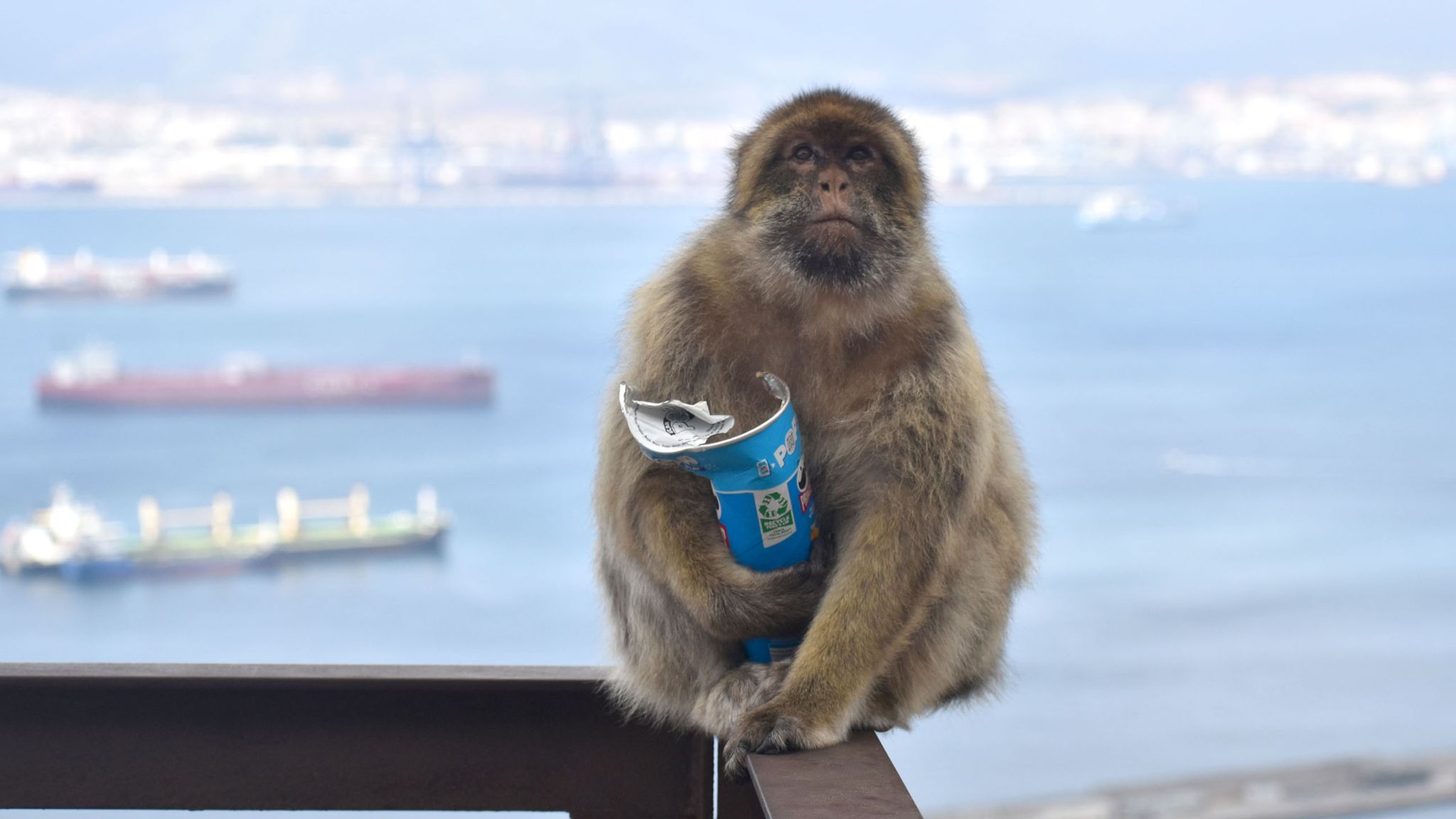
Monkeys in Gibraltar have developed a surprising strategy to soothe stomach troubles caused by consuming calorie-laden junk food handed out or stolen from tourists. Recent research reveals that these macaques deliberately eat soil to protect their digestive systems from irritation and nutrient deficiencies linked to their unnatural diets.
Why Gibraltar’s Macaques Turn to Soil
Scientists from the University of Cambridge investigated the unusual behavior of Gibraltar’s macaques, observing how the animals consume foods rich in sugar, salt, dairy, and fats—elements far removed from their natural diet of herbs, leaves, seeds, and insects. This junk food, including chocolate bars, crisps, and ice cream, is highly appealing to the monkeys, but it wreaks havoc on their digestive health.
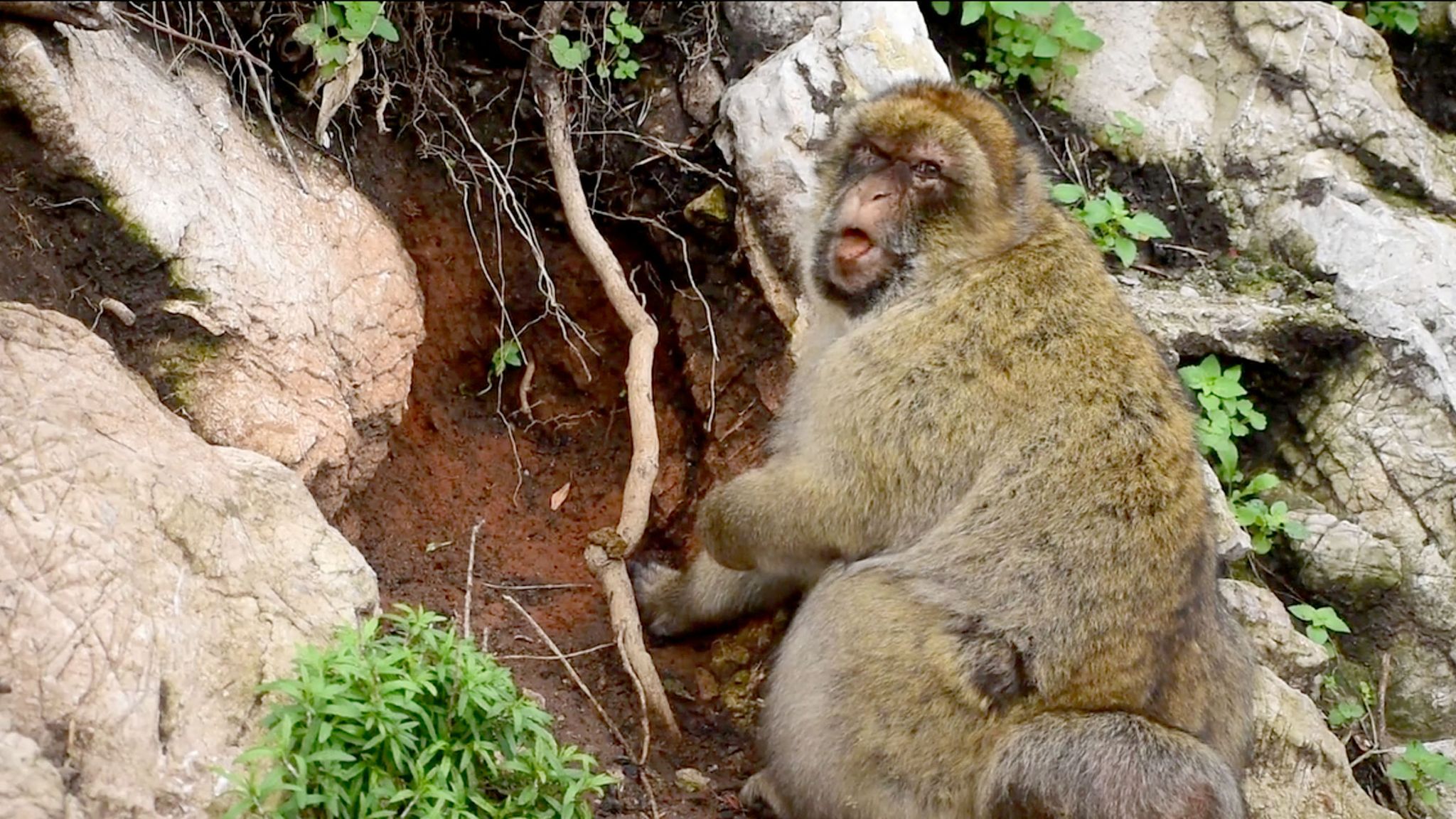
The study indicates that the soil acts as a protective barrier lining the monkeys’ guts, reducing irritation caused by these processed and energy-dense snacks. The dirt also supplies essential minerals and beneficial bacteria absent from human foods, helping restore balance to the macaques’ gut microbiomes.
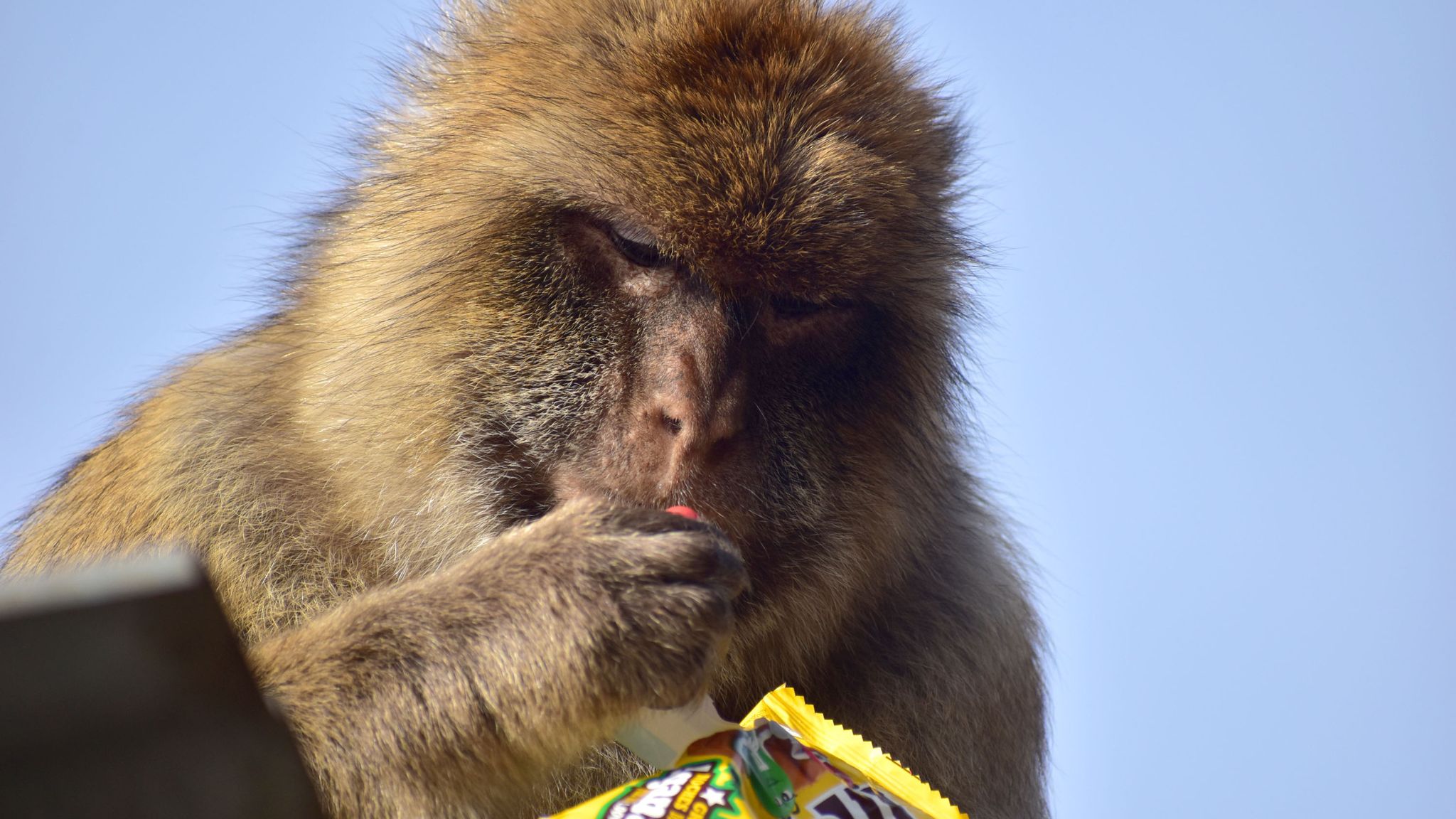
Dr. Sylvain Lemoine, a biological anthropologist leading the research, explains, “Soil consumption could alleviate a range of gastrointestinal symptoms, from nausea to diarrhea, which are common after consuming junk food. Additionally, because non-human primates become lactose intolerant after weaning, dairy products like ice cream pose a significant digestive challenge.”
This adaptive behavior appears to be learned socially, as different macaque troops exhibited preferences for certain types of soil. The frequency of soil eating spikes during peak tourist seasons when human food is more readily available, highlighting how the monkeys’ proximity to humans directly influences their dietary habits.
Human Impact and Evolutionary Insights
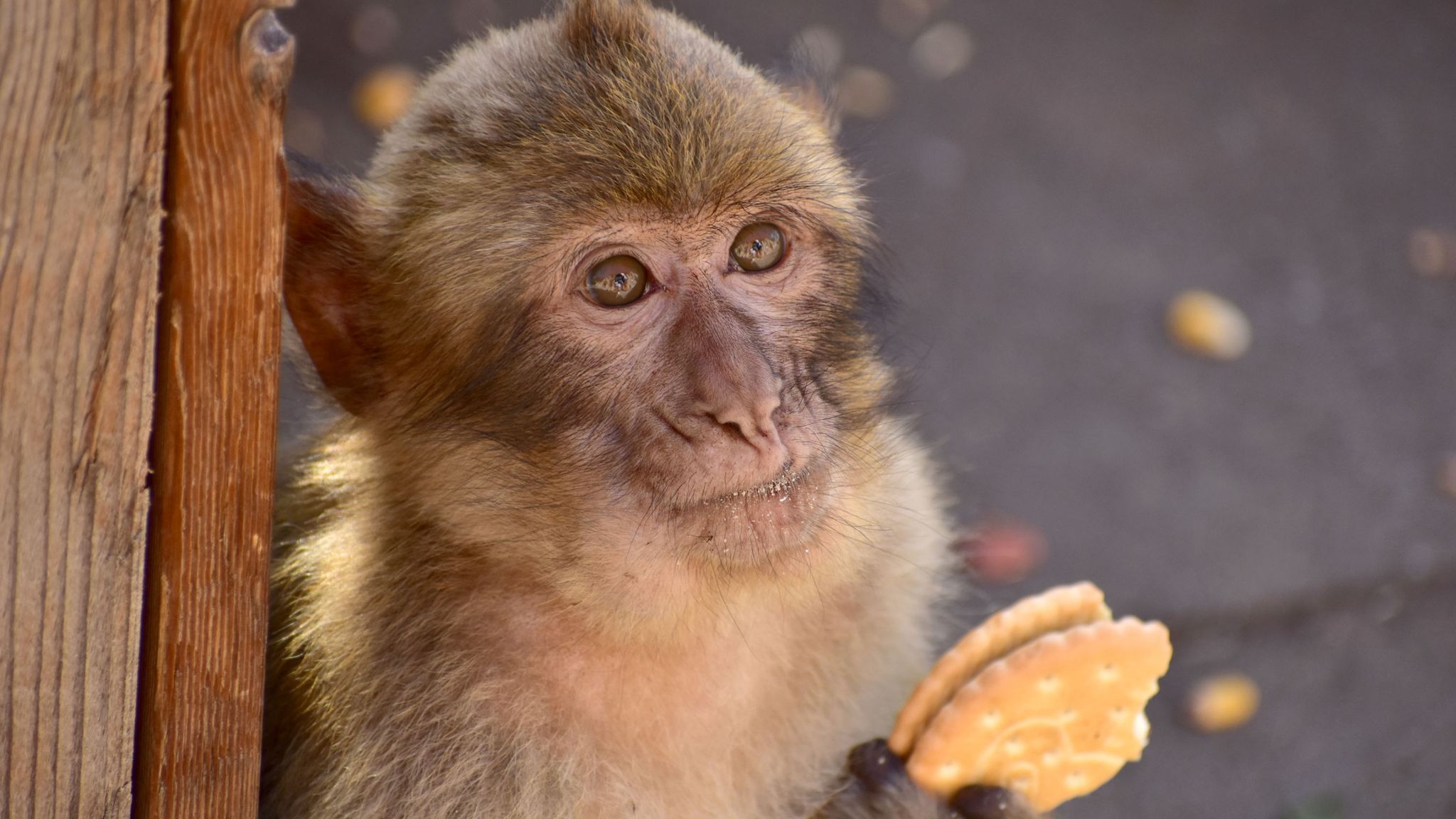
The junk food consumed by Gibraltar’s macaques contrasts sharply with their ancestral diets. This shift is driven entirely by their interaction with humans, who unknowingly provide these tempting but harmful snacks. Dr. Lemoine points out that humans evolved to crave high-calorie fats and sugars to survive scarcity periods, and this evolutionary trait likely triggers similar cravings in macaques exposed to human food sources.
With around 230 macaques divided into eight stable groups on the Rock of Gibraltar, the impact of human food is widespread. Over 98 observation days between summer 2022 and spring 2024, researchers documented 46 instances of soil eating among 44 different individuals, underscoring the prevalence of this coping mechanism.
What This Means for Wildlife and Conservation
The findings, published in the journal Scientific Reports, reveal how wildlife adapts to human encroachment and environmental changes. While the soil-eating behavior helps macaques mitigate digestive distress, it also signals the broader problem of human interference altering natural animal behaviors and diets.
Understanding these adaptations highlights the importance of managing tourist interactions with wildlife to prevent negative health effects. It also emphasizes the resilience of animals like Gibraltar’s macaques, who modify their behavior to survive in changing environments.
By recognizing the unintended consequences of feeding wildlife junk food, authorities and visitors alike can take steps to protect these iconic primates and maintain the ecological balance on the Rock.
Looking Ahead
This research sheds light on the complex relationship between humans and wildlife in tourist hotspots. The macaques’ soil-eating habit underscores how animals innovate to cope with new challenges, but it also warns of the risks posed by human dietary influences.
Future conservation efforts in Gibraltar and similar regions must balance tourism with wildlife health, ensuring that macaques and other animals continue to thrive without resorting to potentially harmful behaviors. Continued monitoring and public education on responsible feeding practices will be crucial to safeguarding these remarkable primates.