

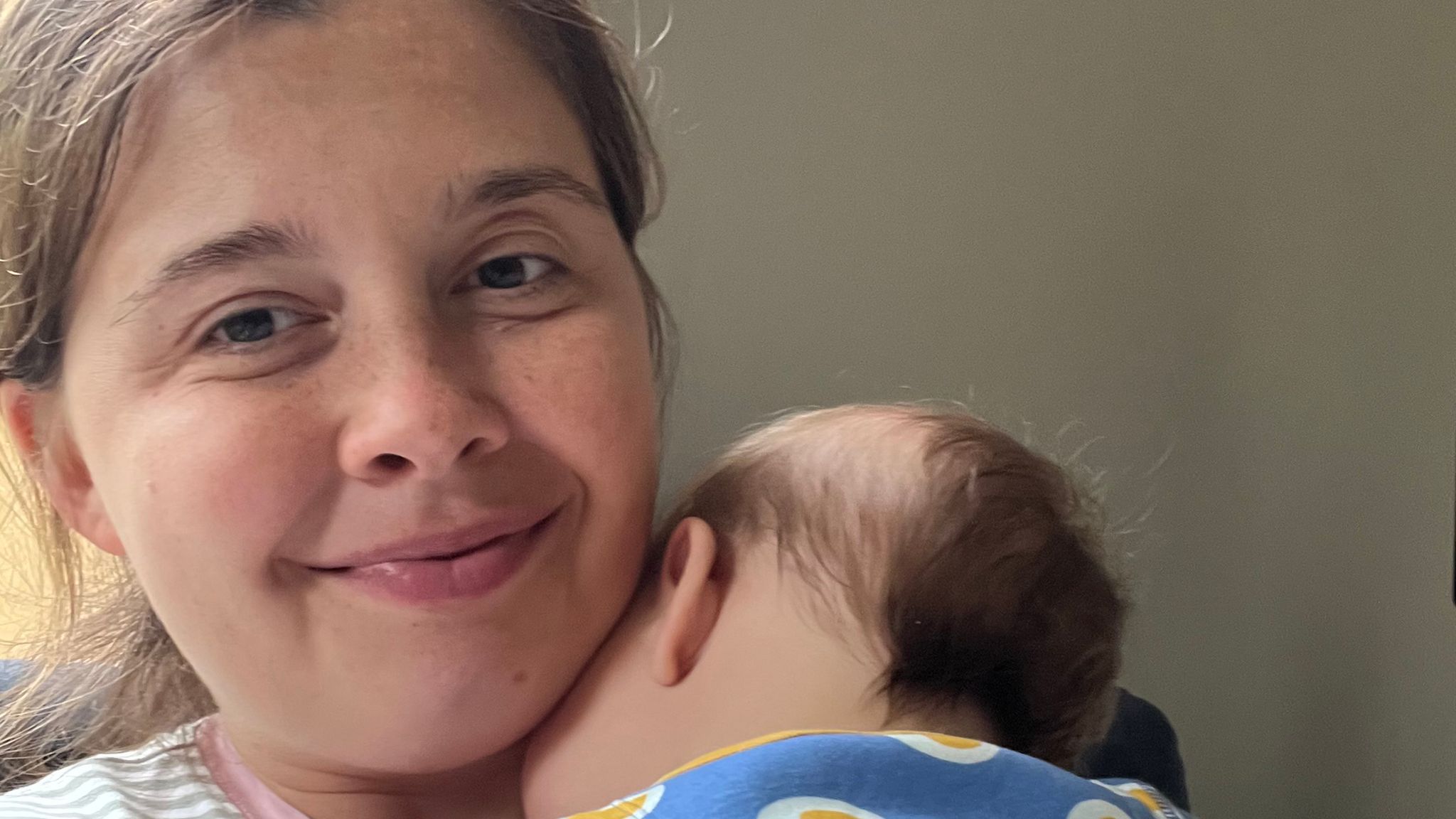
Jessica Kent-Hazledine, a 33-year-old mother from Cornwall, faced a terrifying ordeal when she lost her vision shortly after the birth of her first child. Two weeks postpartum, Jessica woke to find her left eye had deteriorated to near blindness. What began as mild visual disturbance rapidly escalated, culminating in the loss of sight in her right eye as well. Today, nearly a year later, thanks to an innovative plasma exchange treatment, Jessica’s vision has dramatically improved, enabling her to fully engage in motherhood and regain her independence.
The Sudden Onset of Blindness: A New Mother’s Nightmare
In the early days after welcoming her baby boy, Jessica initially attributed her blurred vision to the exhaustion of new motherhood. However, when her sight worsened drastically, she sought urgent medical attention. “I was a new mum, not getting much sleep,” Jessica recalls. “But when vision problems started, I knew something was wrong.”
Doctors quickly initiated a battery of tests, including an urgent MRI scan and blood work, to identify the cause of her sudden blindness. The situation escalated when Jessica’s right eye also lost vision, leaving her gripped by fear. “I thought I wouldn’t be able to see my baby grow up,” she shares. “Not seeing his face change, missing his first steps or first day at school—it was devastating.”
How Plasma Exchange Therapy Restored Her Vision
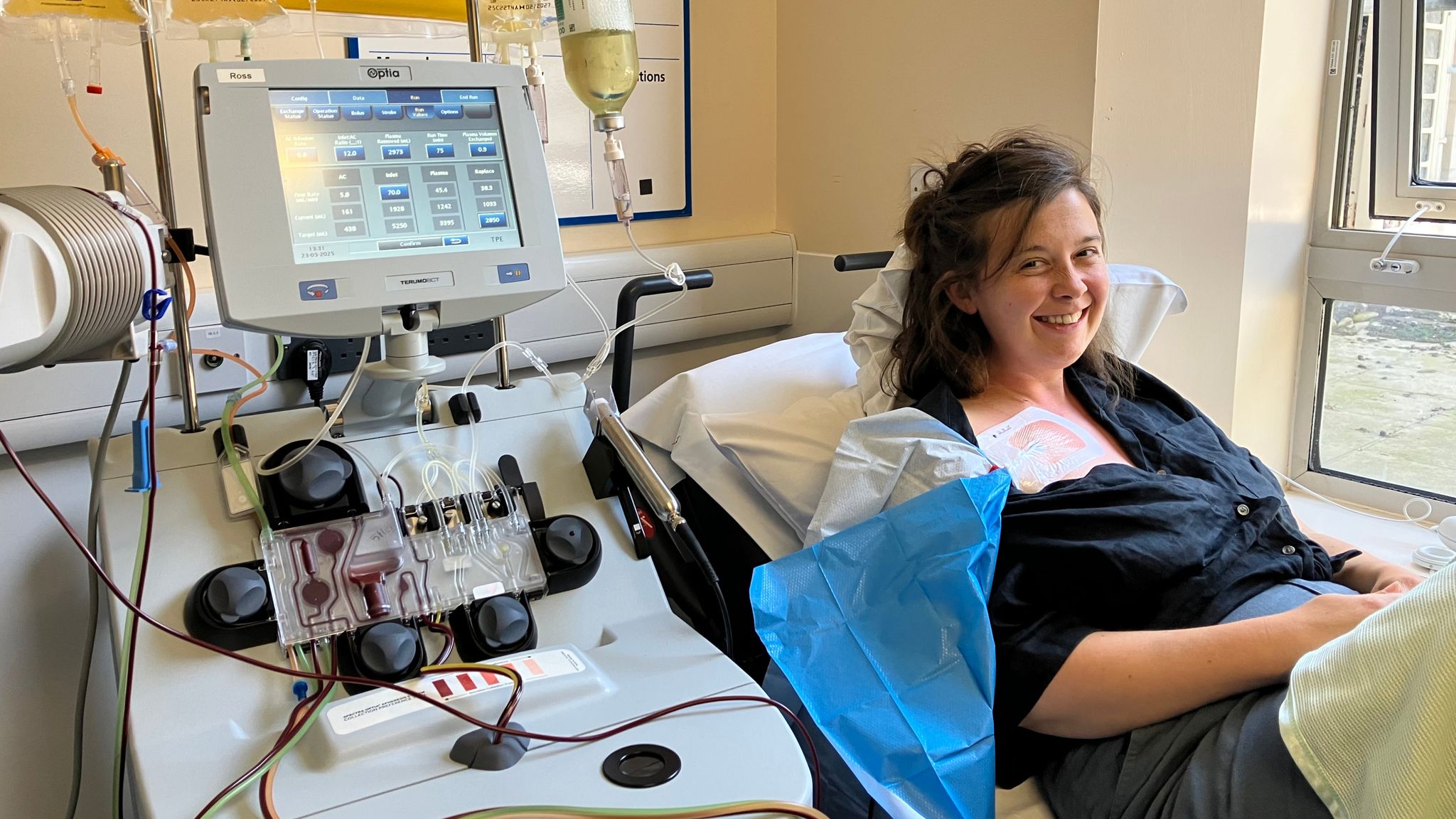
After trying various treatments, Jessica was referred to a new therapeutic apheresis service (TAS) run by NHS Blood and Transplant (NHSBT) in the South West. This pioneering service offers plasma exchange, a procedure designed to remove harmful antibodies from the bloodstream that attack the protective myelin sheath around nerve fibers—in Jessica’s case, those affecting her eyes.
During plasma exchange, the patient’s plasma—the liquid portion of blood responsible for transporting blood cells, nutrients, and hormones—is removed and replaced with healthy donor plasma. This process prevents further damage caused by autoimmune reactions.
Jessica underwent a total of five plasma exchanges. Remarkably, she noticed significant improvement by the third session. “By the fifth exchange, I felt pretty much back to myself; it felt like magic,” she said. Her right eye now sees clearly, and she retains approximately 75% vision in her left eye.
Why This Breakthrough Matters for Patients and Donors Alike
Jessica’s treatment marked the first use of NHSBT’s therapeutic apheresis service in Cornwall, a collaboration currently active in four hospitals across the region. This service represents a vital advancement in managing autoimmune disorders and other conditions where harmful antibodies impair the nervous system.
Reflecting on her journey, Jessica expresses profound gratitude for the donors whose plasma made her recovery possible. She emphasizes the wider impact of blood and plasma donation beyond emergency transfusions. “I don’t think people realize just how much good donation can do,” she explains. “It helps so many people like me.”
Jessica urges everyone eligible to donate blood or plasma to step forward. “I feel so lucky to have had this treatment,” she says. “Thank you to those who already give, and I encourage others to do the same.”
Looking Ahead: A Vision for the Future
Jessica Kent-Hazledine’s story highlights the transformative potential of plasma exchange therapy for individuals facing autoimmune-related vision loss. It also underscores the essential role of blood and plasma donors in facilitating cutting-edge treatments.
For Jessica, the ability to see her son clearly and live independently after such a frightening diagnosis is nothing short of a miracle. Her experience offers hope to others confronting similar challenges and serves as a call to action for increased public participation in donation programs.
As NHSBT expands its therapeutic apheresis services, more patients stand to benefit from this life-changing procedure. Jessica’s journey is a powerful testament to medical innovation’s ability to restore not just sight, but the invaluable moments and milestones of everyday life.