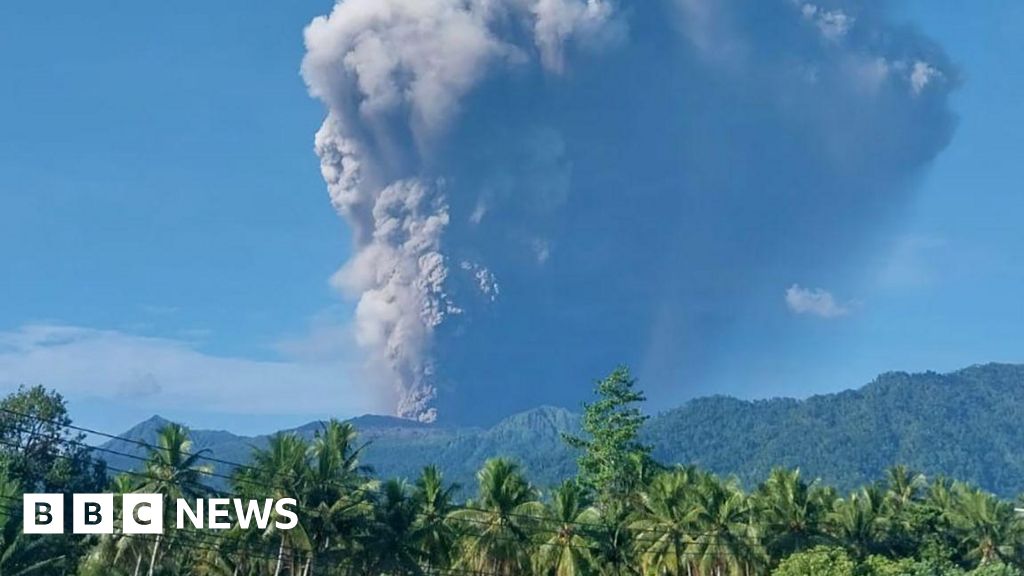
The recent eruption of Mount Dukono on Indonesia’s North Halmahera island has triggered a critical investigation after a hiking expedition reportedly defied official climbing prohibitions. Authorities are now probing the circumstances surrounding the ill-fated ascent, which led to casualties and raised urgent questions about safety enforcement on active volcanoes.
What Happened During the Dukono Climb?
The North Halmahera Police released a statement confirming that the climbing expedition “is strongly suspected of violating regulations.” Two individuals linked to the hiking group have been questioned, including a man whose initials match those of Reza, the owner of the tour company that organized the trip.
Currently, these two men are considered witnesses, but investigators are meticulously examining their exact roles in arranging what authorities have labeled a dangerous climb. The police emphasized that any negligence contributing to the tragic loss of tourists’ lives will not be tolerated and could lead to serious legal consequences.
Reza himself has publicly acknowledged the gravity of the situation, stating, “Whatever legal consequences happen, I have to accept them, whether I’m ready or not. I just hope it ends quickly.” Despite the unfolding investigation, he maintains that he was unaware of the official climbing prohibition on Mount Dukono.
Understanding the Volcano Alert Levels and Risks
Mount Dukono has been classified at Level Two on Indonesia’s four-tier volcanic alert system. This level indicates clearly increased volcanic activity and an elevated threat of eruption. Under these conditions, authorities prohibit public access to certain areas to safeguard lives.
Indonesia’s unique geography places it squarely on the Pacific “Ring of Fire,” a region notorious for frequent seismic and volcanic activity due to the constant collision of tectonic plates. This positioning makes volcano monitoring and adherence to safety protocols vitally important for residents and tourists alike.
Reza explained his decision to continue climbing Dukono despite the warnings by comparing it to practices on other Indonesian volcanoes. He pointed out that “level two mountains like Rinjani still allow hiking activities,” suggesting a perceived inconsistency in how restrictions are applied across different sites.
Why This Incident Matters for Indonesian Tourism and Safety
This tragic event highlights the ongoing challenges Indonesia faces in balancing its thriving adventure tourism industry with the imperative of public safety. Volcano tourism attracts thousands of thrill-seekers annually, drawn by the country’s dramatic landscapes and active peaks.
However, the unpredictability of volcanic eruptions demands strict enforcement of regulations, timely public warnings, and clear communication by local authorities and tour operators. When these elements falter, the consequences can be fatal, as demonstrated by the recent disaster on Mount Dukono.
Moreover, the investigation into Reza’s tour company and the broader expedition could set important precedents regarding accountability. Should negligence or willful disregard for safety protocols be proven, it could lead to tougher regulatory measures and increased scrutiny over organized climbs on hazardous volcanoes.
What Comes Next: The Road Ahead for Volcano Safety
The Indonesian authorities continue to investigate the full scope of responsibility in this incident. Their message to the public and the tourism industry is clear: negligence that endangers lives will face legal consequences.
For climbers and tourists, this tragedy serves as a stark reminder to respect volcanic alert levels and heed official bans. Even experienced guides and local operators must prioritize safety over the allure of adventure, especially when dealing with volatile natural phenomena.
As Indonesia moves forward, stronger collaboration between government agencies, local communities, and tour companies will be essential. Developing transparent, enforceable safety standards and educating visitors about volcanic risks can help prevent future tragedies on volcanoes like Dukono.
Ultimately, the Mount Dukono eruption and its aftermath underscore the delicate balance between exploring Indonesia’s majestic volcanic landscapes and preserving human life. Ensuring that balance remains intact is the critical task facing all stakeholders in the nation’s dynamic tourism sector.